Social Justice & Community
Doctoral candidate’s research explores impacts from overuse of H-2A visas in Washington state
H-2A visa loopholes may be displacing immigrant farmworkers already living in the region, especially women, a new report shows.
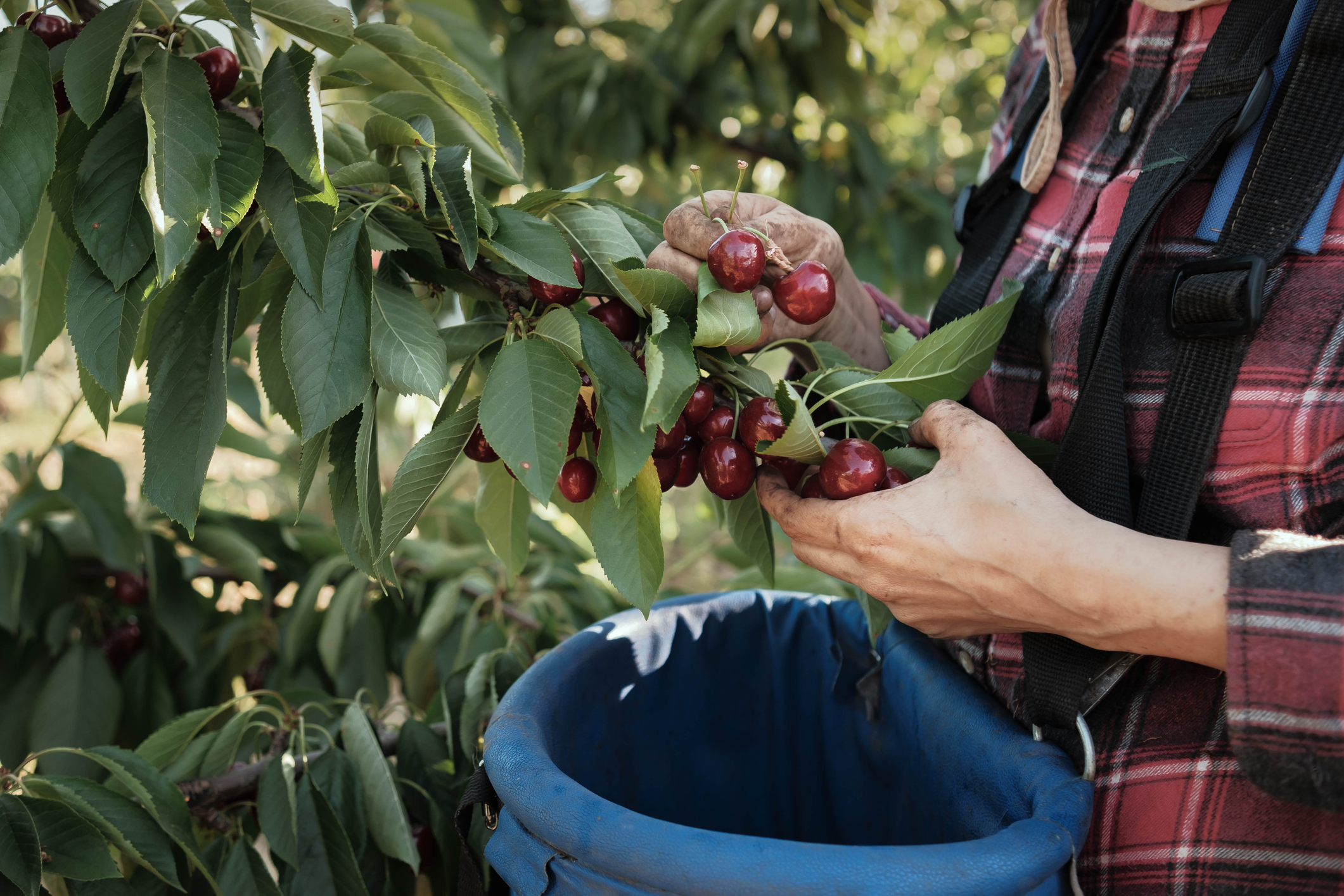
UC Santa Cruz sociology doctoral candidate Rosa Navarro’s latest research finds that some Washington State employers are using the H-2A temporary agricultural worker program in ways that may reduce job access, hours, and economic security for local immigrant farmworkers, with particularly severe impacts on women. Navarro is a fellow with UCLA’s Latina Futures 2050 Lab, which released a report sharing her findings today, in collaboration with the UCLA Latino Policy and Politics Institute (LPPI).
Washington is an important place to study these issues, because the state has seen some of the fastest growth in employer use of the H-2A program in the country. Since 2008, H-2A participation in Washington has increased by about 1,000%, and in 2024, nearly 36,000 H-2A workers were employed on farms in the state, accounting for close to 30% of the state’s agricultural workforce and nearly 10% of all H-2A workers nationwide. The growth is taking place in an agricultural industry that generates more than $21 billion annually and has long depended on local immigrant farmworkers.
Navarro’s study examines the impacts of these dynamics by drawing upon 75 interviews with farmworkers, advocates, attorneys, growers, and state officials, as well as 179 surveys of immigrant farmworkers across Washington State.
“Farmworkers have long been one of the most marginalized workforces in the United States,” Navarro said. “This research helps document how employer reliance on the H-2A program, combined with weak recruitment rules, is affecting the livelihoods of local workers and the communities that depend on agricultural employment.”
Her research found that some growers are using H-2A recruitment as a primary hiring mechanism, rather than as the last-resort labor program it was intended to be. Employers are required to demonstrate that they attempted and failed to hire local workers before bringing in new ones on a H-2A visa. But many growers seem to have found a loophole.
These employers have shifted their domestic recruitment almost entirely to online job postings placed on the Washington State Employment Security Department (ESD) website. Most local workers are unaware of these postings and therefore do not apply for the jobs. Workers have historically accessed farm jobs through in-person applications, Spanish-language radio and newspaper ads, farm signage, or direct contact from supervisors, including through WhatsApp.
As a result of these shifts in hiring practices, local farmworkers report reduced hours, lower earnings, and growing economic insecurity. Across interviews and surveys, workers described fewer job opportunities, shorter workweeks, reduced pay, and rising housing and food instability.
Women farmworkers are disproportionately affected. The report finds that they are especially vulnerable to displacement because women are more likely to face caregiving responsibilities and rigid scheduling barriers that make it harder to compete for work under employer-controlled hiring systems.
“This research demonstrates how importing labor negatively affects women farmworkers, since they carry most of the caregiving responsibilities,” Navarro said. “Women’s work schedules, for example, tend to be less flexible than a man’s because they need to pick up children from school or stay home when their child is ill. When employers prioritize H-2A recruitment over meaningful local hiring, women who have worked in agriculture for years can be pushed out of jobs they depend on.”
Evidence from state enforcement actions corroborates these patterns identified in interviews and surveys, showing that employer misuse of the H-2A program has displaced local immigrant farmworkers. The Washington State Attorney General’s Office (AGO) has filed multiple lawsuits alleging discrimination against local workers and unlawful replacement with H-2A labor, including cases involving women farmworkers.
To strengthen Washington’s agricultural workforce and local economy, Navarro recommends expanding labor protections for farmworkers, improving statewide data collection on the farm labor force, closing H-2A loopholes, strengthening oversight of local recruitment requirements, and investing in emergency rental assistance programs for all workers facing economic hardship. The report emphasizes that these reforms should protect local workers without weakening protections for H-2A workers.
This story was adapted from a press release by the UCLA Chicano Studies Research Center