
Earth & Space
-
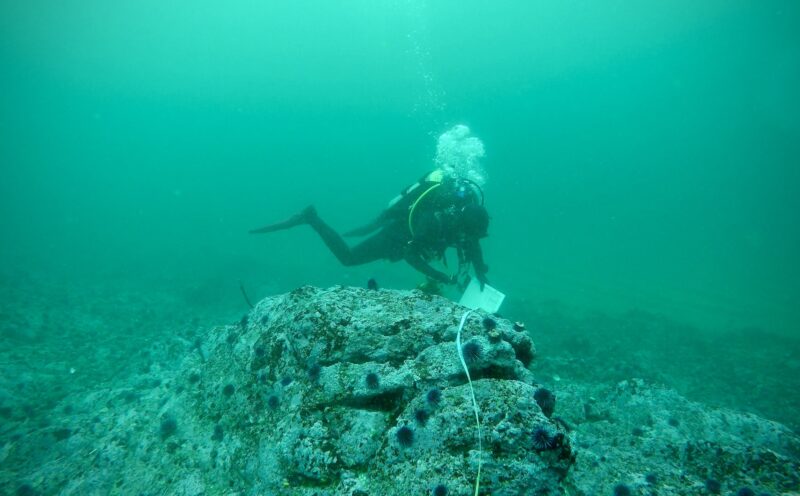
UC Santa Cruz researchers launch real-time study on kelp resilience as a super El Niño unfolds
The sweltering seas expected this winter could threaten California’s kelp forests. UC Santa Cruz researchers are mobilizing to track the impacts and seek public support to sustain student engagement in the research.
-
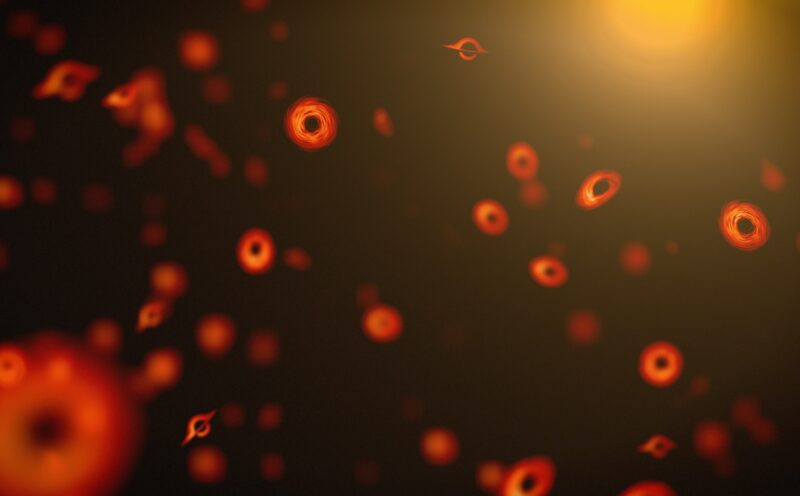
Is dark matter ‘natural?’ A UC Santa Cruz physicist puts the question to the test
A quantitative study of different dark-matter scenarios finds that primordial black holes can be just as ‘natural’ as traditional particle theories.
-
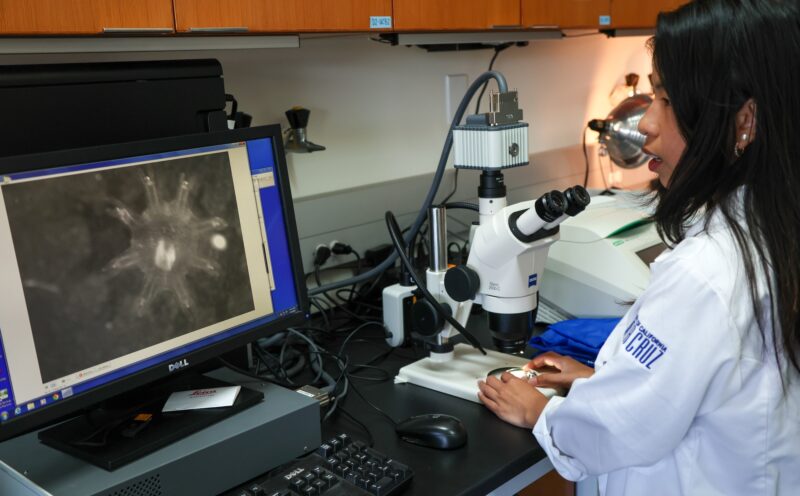
Understanding how jellyfish eyes first form and regenerate to reveal paths for new human therapies
National Institutes of Health awards just over $2 million to UC Santa Cruz evolutionary biologist Aide Macias-Muñoz for a five-year study of the genetic mechanisms that lead to complex traits like eye regeneration
-
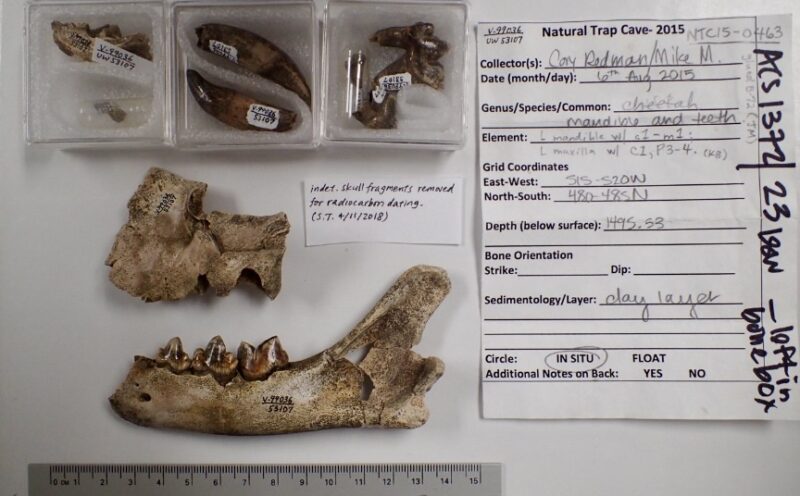
Not a cheetah: Ancient DNA reveals the surprising Arctic life of extinct North American cat
New paleogenomics research reveals how the so-called American ‘cheetah’ adapted to harsh Arctic conditions by preying on fish
-
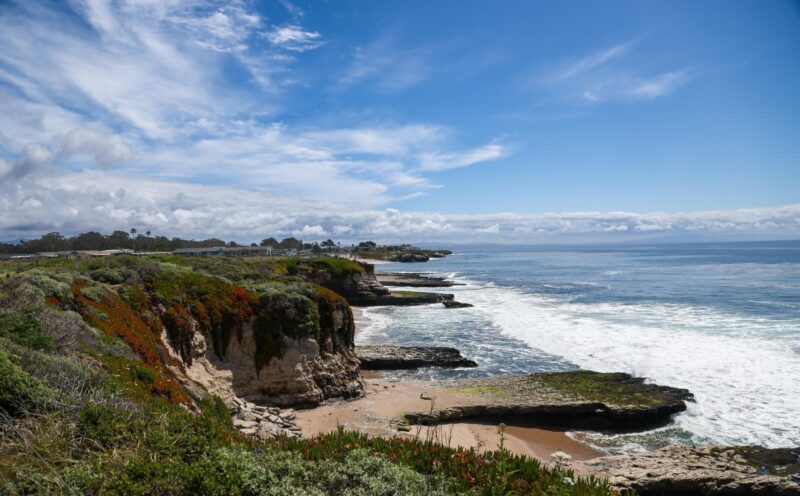
Science Division launches five new centers to foster multidisciplinary research in areas of growing importance and interest
These centers debuted July 1 with five years of initial funding and will focus on marine genomics, geohazards, materials innovation, RNA science, and astrobiology.
-
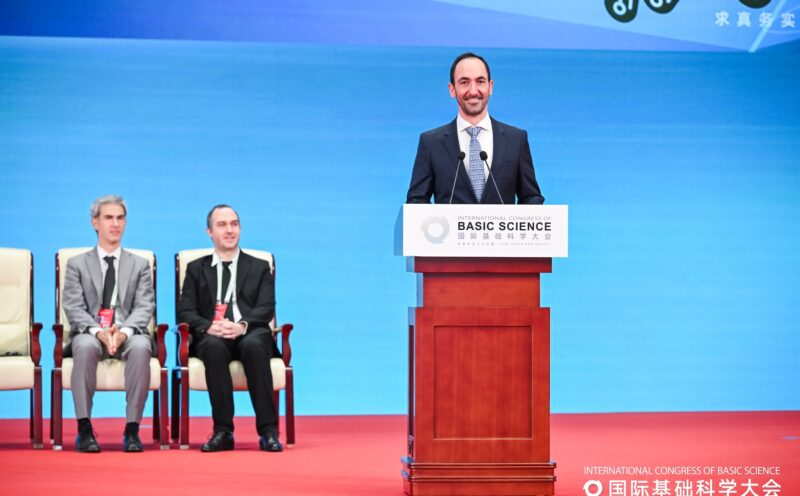
International body honors UC Santa Cruz physicist with Frontiers of Science Award
Assistant Professor Edgar Shaghoulian was honored by the International Congress of Basic Science at an August 9 ceremony in Beijing with a Frontiers of Science Award in the category of formal quantum field theory
-

UC Santa Cruz Alumni Association announces 2026 Alumni Award recipients
John Torigoe, Melinda Aldrich, James Hein, Peter Coha, Jim Gunderson, and Stephanie Barron Lu are the recipients of the 2026 UC Santa Cruz Alumni Awards.
-
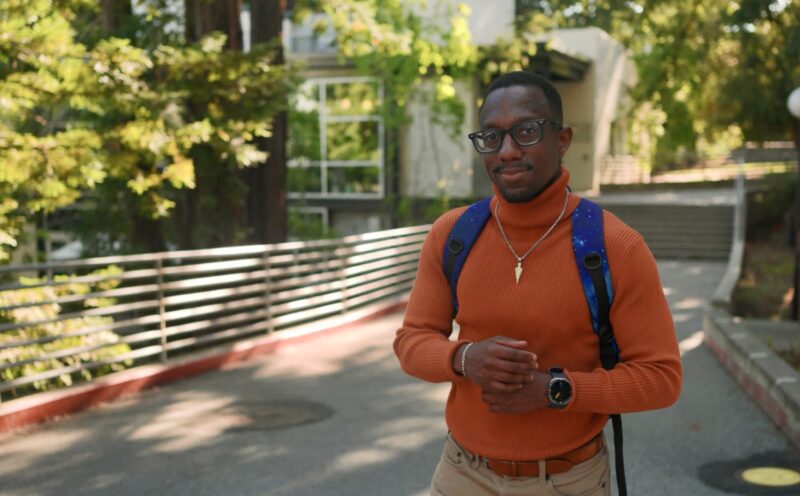
A student’s trajectory from Tanzania and transformation into a scientist
On its 150th anniversary, Lick Observatory draws on its legacy of pioneering research to continue producing the next generation of scientific instruments, techniques, and astronomers
-

UC Santa Cruz’s first student-built satellite deployed from International Space Station
Hundreds of miles above Earth, a small satellite built by University of California, Santa Cruz students deployed from the International Space Station on July 2, 2026, becoming the university’s first student-built satellite to reach space.
-
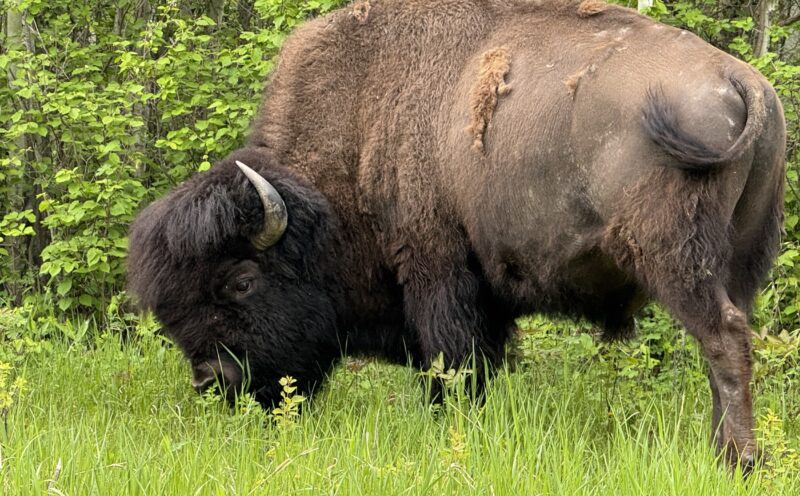
Decoding the North American bison’s genome to better inform conservation efforts
UC Santa Cruz researchers lead analysis of ancient DNA that yields a genomic roadmap for the restoration of the continent’s largest land mammal, pushed nearly to extinction because of past human activities
-
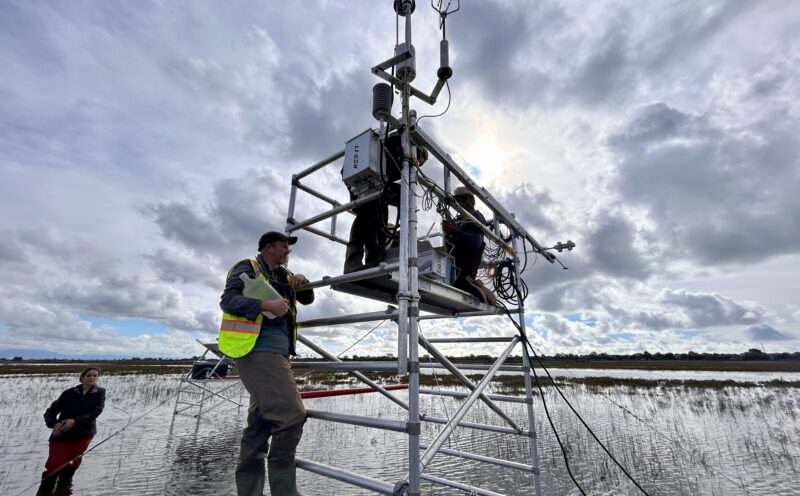
UC Santa Cruz team helps state better understand how wetlands sequester carbon and improve air quality
Atmosphere-monitoring towers operated by the Paytan Lab will tell the tale of two very different Southern California wetlands over the next two years
-
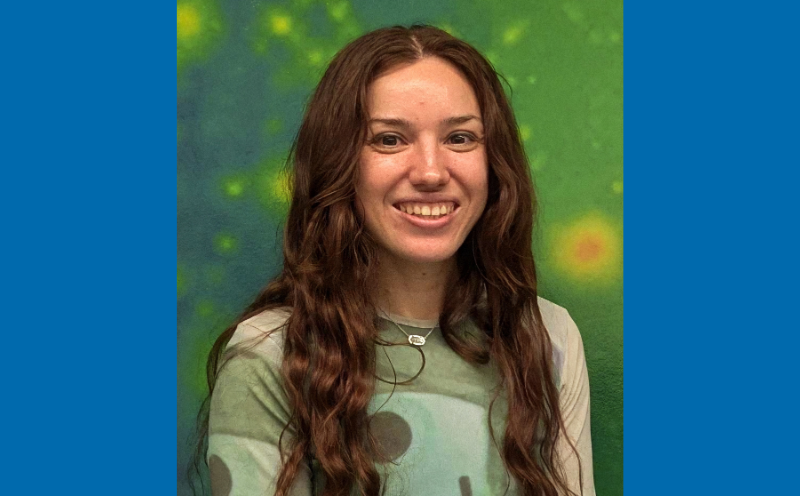
Postdoctoral researcher to develop instrumentation to detect distant protoplanets
Supported by the new Astronova Fellowship program, Christina Vides will advance her research in a technique that sharpens the images from astronomical telescopes in order to detect faint planets in the glare of their bright host stars