
Health
-
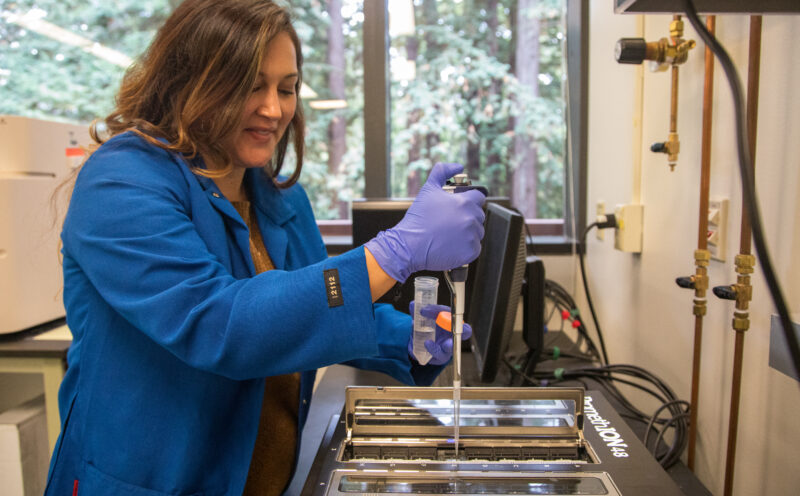
NIH grant supports bringing complete genome sequencing from the lab to the clinic
A $2.9 million R01 research award from the National Institutes of Health will support the efforts of engineers at the UC Santa Cruz Genomics Institute to further develop and drive down the cost of complete genome sequencing technology.
-
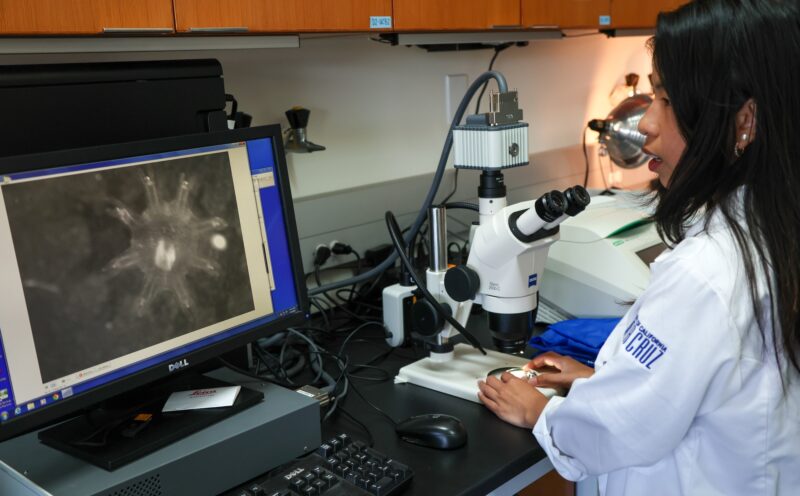
Understanding how jellyfish eyes first form and regenerate to reveal paths for new human therapies
National Institutes of Health awards just over $2 million to UC Santa Cruz evolutionary biologist Aide Macias-Muñoz for a five-year study of the genetic mechanisms that lead to complex traits like eye regeneration
-
Neerav Handa: Amplifying cancer research and student research opportunities
Neerav Handa, Senior Director of software development at Oracle, established the Manjusha Handa Memorial Scholarship in memory of his late wife, Manjusha Handa. The scholarship supports students pursuing cancer research at UC Santa Cruz.
-

UC Santa Cruz Alumni Association announces 2026 Alumni Award recipients
John Torigoe, Melinda Aldrich, James Hein, Peter Coha, Jim Gunderson, and Stephanie Barron Lu are the recipients of the 2026 UC Santa Cruz Alumni Awards.
-
RNA researcher on the basics of how mRNA vaccines are made and work
In light of recent wins for mRNA vaccine makers, UCSC RNA Center Co-Director Jeremy Sanford describes the versatility of the mRNA platform and how it quickens vaccine production
-

UC Santa Cruz is building better detection for rare form of cancer
New five-year NIH-funded project aims to transform the detection of synovial sarcoma using advanced single-molecule analysis
-
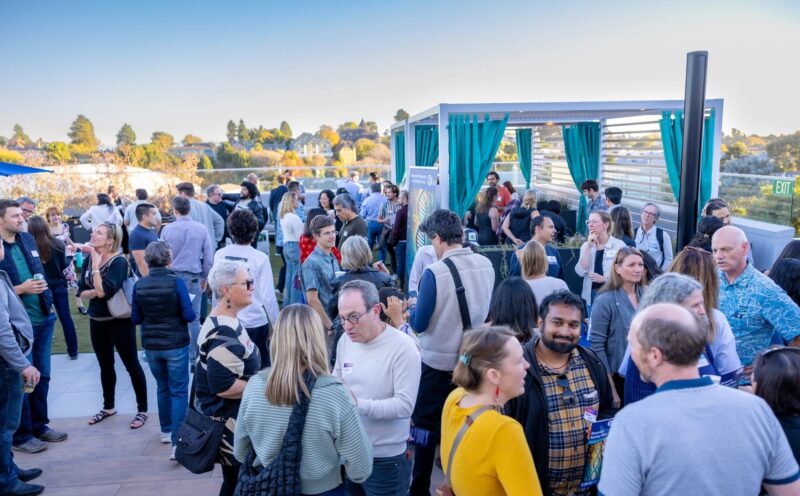
Fueling the biotech flywheel with fundamental discoveries and driven graduates
UC Santa Cruz deepens industry engagement to underscore its vital role in contributing basic research and tomorrow’s talent, convening its first international RNA biology conference on August 18
-
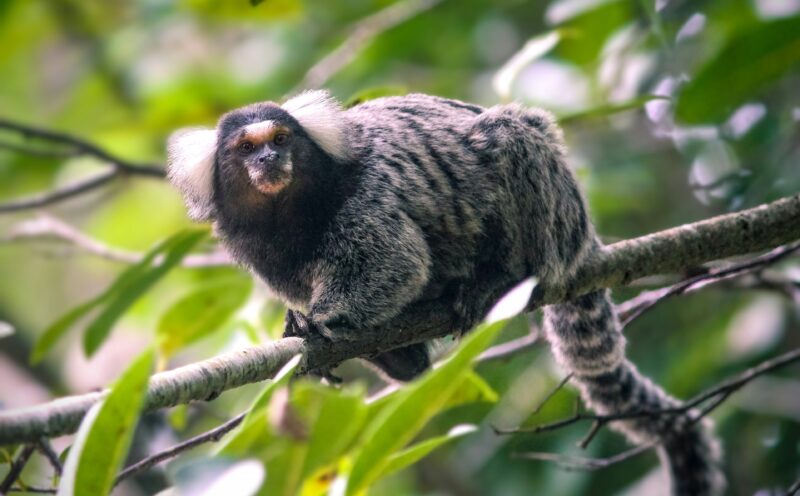
First complete marmoset genome will enable research on Alzheimer’s, neurodegenerative diseases
The new reference is one in a collection of studies on end-to-end, or “T2T,” genomes
-
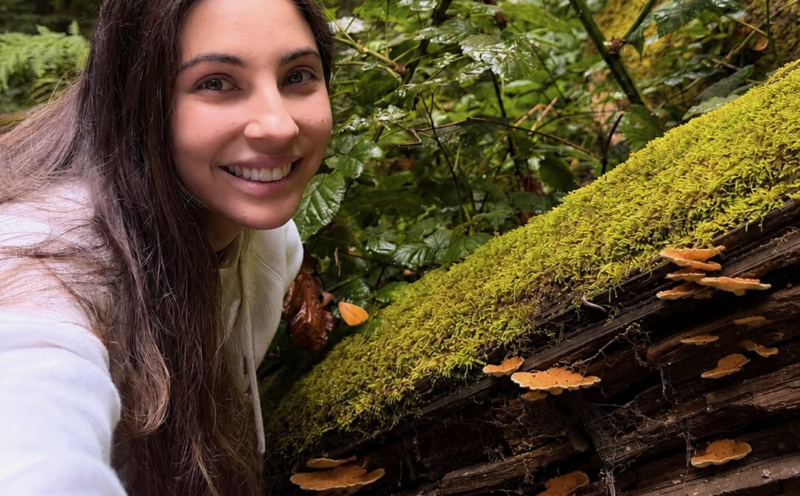
Nine projects receive seed funding from the Genomics Institute
From listening to the electrical signals of fungal networks in fire-scarred forests to training AI models that can interpret the most complex regions of the human genome, this year’s cohort is using genomics in bold new applications.
-

Beach season is here—just not for everyone
Marine and social scientists at UC Santa Cruz explain why privileged people enjoy more recreational, economic, and emotional benefits of the ocean than underresourced groups, and offer holistic remedies
-
La temporada de playa ya está aquí—pero no para todos
Científicos marinos y sociales de la UC Santa Cruz explican por qué las personas privilegiadas disfrutan de más beneficios recreativos, económicos y emocionales del océano que los grupos con menos recursos, y ofrecen soluciones holísticas
-
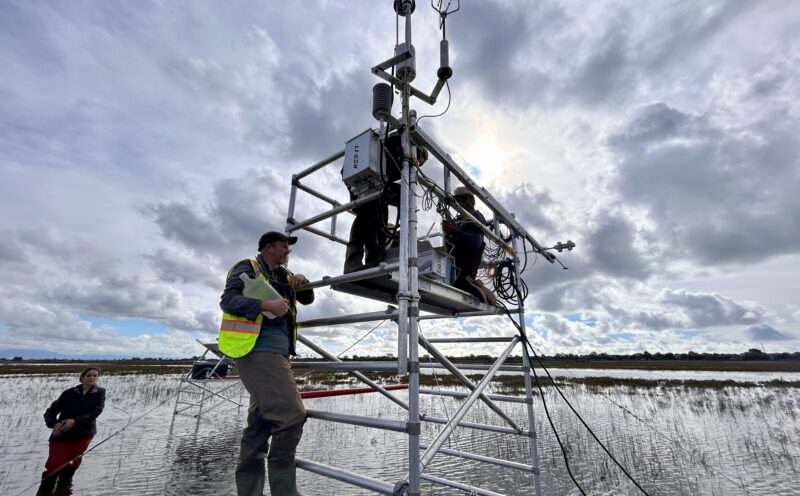
UC Santa Cruz team helps state better understand how wetlands sequester carbon and improve air quality
Atmosphere-monitoring towers operated by the Paytan Lab will tell the tale of two very different Southern California wetlands over the next two years