Ecology & Evolutionary Biology
-
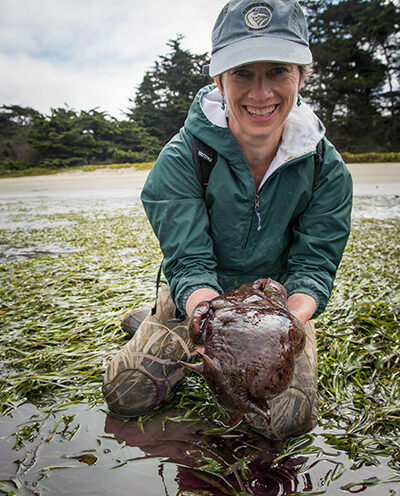
Elkhorn Slough scientist Kerstin Wasson honored as ‘wetland hero’
An adjunct professor at UC Santa Cruz, Wasson will receive the 2018 National Wetlands Award for Scientific Research.
-

Undergraduate Eric Medina wins $15,000 Strauss Scholarship to reinvigorate Oakes Garden
Eric Medina, a fourth year at UC Santa Cruz double majoring in ecology and evolutionary biology and Latin American and Latino studies, has received a $15,000 public service scholarship to reinvigorate the garden at Oakes College.
-

Award-winning biologist and writer Sean B. Carroll to speak at UC Santa Cruz
Carroll will give the 2018 Sinsheimer Lecture on Thursday, May 10, followed by a free screening of the film ‘The Serengeti Rules’ on May 11 at the Rio Theater.
-

Teaching on the edge
Four of UC Santa Cruz’s most innovative educators will offer insights and advice about fostering lively, dynamic, and relevant classrooms during a special edition of the Alumni Weekend Teach-Ins.
-
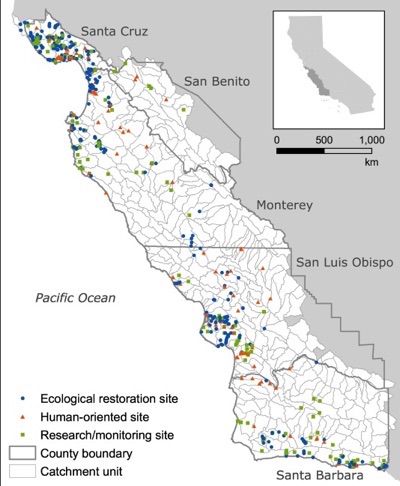
Coastal stream restoration projects concentrated where residents are ‘whiter, wealthier, and more educated,’ researchers find
Stream restoration efforts along the coast of Central California are unevenly distributed, with activity more likely to occur in areas that are more highly populated and dominated by residents who are “whiter, wealthier, and more educated,” according to an analysis by researchers at the University of California, Santa Cruz.
-
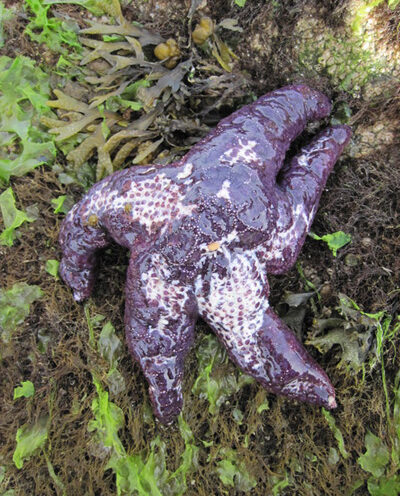
Marine researchers say recent sea star wasting disease epidemic defies prediction
Some sea star communities on the west coast could recover, but marine scientists still can’t pinpoint the environmental factors behind the unprecedented disease outbreak.
-

Ecologist Erika Zavaleta elected Fellow of the Ecological Society of America
Zavaleta was honored in recognition of her contributions to the science of ecology.
-
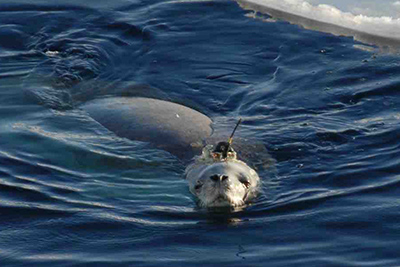
Tracking data reveal the secret lives of marine animals
Seals, whales, sharks, turtles, seabirds, and other marine vertebrates show similar patterns of movement in marine environments.
-
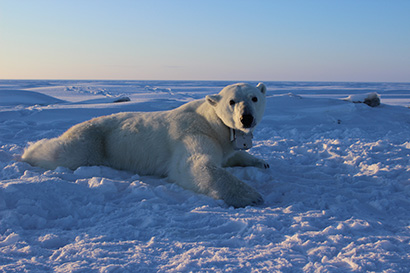
Polar bears finding it harder to catch enough seals to meet energy demands
As climate change alters their environment a growing number of polar bears are unable to catch enough fat-rich prey to meet their energy needs.
-
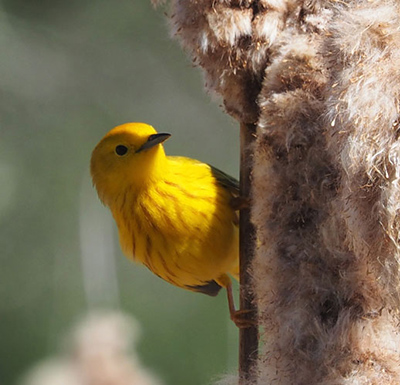
How birds’ genes influence adaptation to climate change
Biologists involved in the Bird Genoscape Project are racing against time to find out the potential for adaptation in vulnerable populations of birds.
-
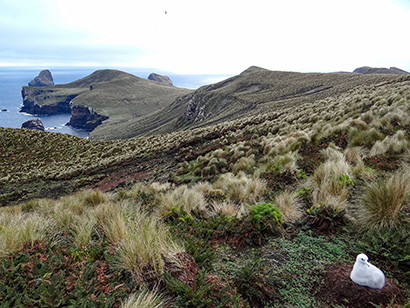
Want to save 41 percent of the planet’s highly threatened vertebrates? Work on islands
A new study has mapped the world’s most vulnerable island species and identified invasive species as a key threat to their survival.
-
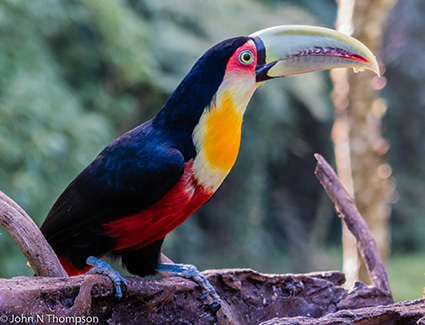
Understanding the coevolving web of life as a network
A new study exploring how mutualistic species coevolve suggests rapid environmental change can destabilize networks of interacting species.