Ecology & Evolutionary Biology
-

Biologist Beth Shapiro elected to the American Academy of Arts and Sciences
Beth Shapiro, professor of ecology and evolutionary biology at UC Santa Cruz, has been elected to the American Academy of Arts and Sciences, one of the nation’s oldest and most prestigious honorary societies.
-
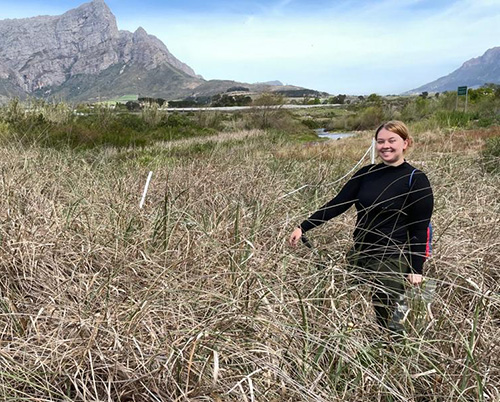
Collaboration with NASA uses eDNA technology to monitor biodiversity
UCSC scientists collected environmental DNA samples in South Africa as part of the BioSCape project.
-

Winning Grad Slam presentation highlights disease threat to Hawaiian birds
Ecology and evolutionary biology graduate student Christa Seidl will compete in the UC systemwide Grad Slam in May, presenting her research on avian malaria.
-
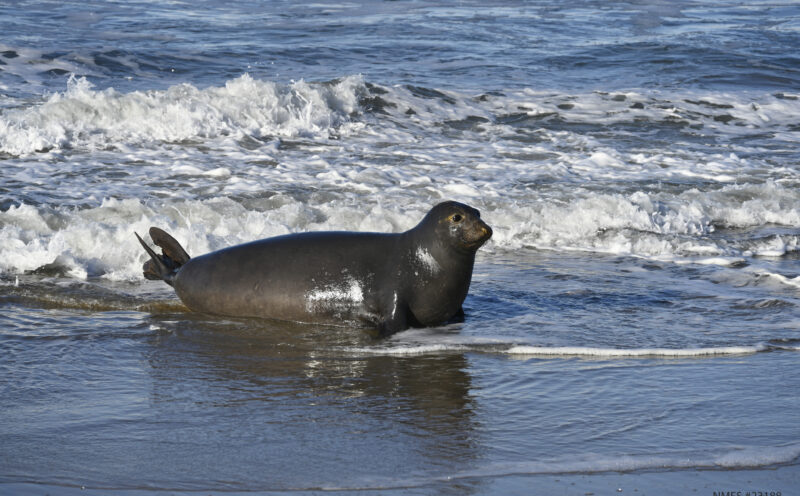
Marine mammal reproduction rests on a precarious tipping point of ocean resources
A study of northern elephant seals reveals a threshold at which a small decrease in the amount of prey females can find during foraging migrations could lead to a sudden drop in reproductive success.
-
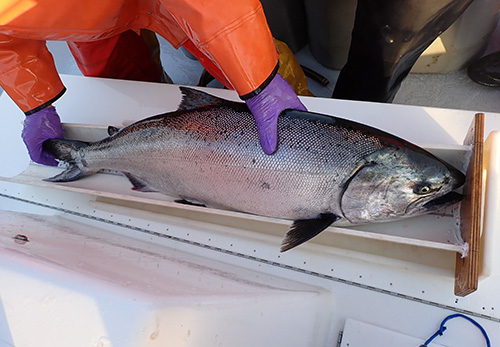
Shrinking age distribution of spawning salmon raises climate resilience concerns
Study suggests changes in hatchery practices could help increase population stability for Sacramento River fall-run Chinook salmon, the backbone of California’s salmon fishery.
-
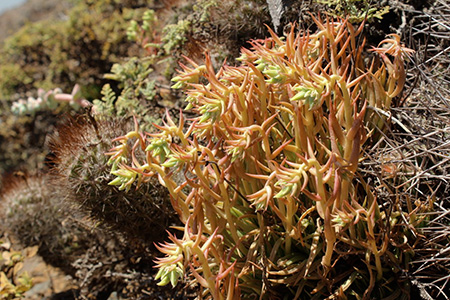
Two new species of rare succulents found in Mexico named by UCSC botanist
A retired staff botanist at the UCSC Arboretum & Botanic Garden studied the rare plants found on an island off the coast of Baja California and identified two new species of dudleya.
-

UCSC leads new multicampus initiatives on climate change and bilingualism
UC Santa Cruz faculty are leading two new collaborative programs funded by grants from UC’s Multicampus Research Programs and Initiatives (MRPI) program.
-
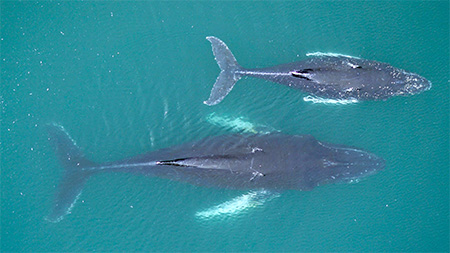
Study reveals influence of krill availability on humpback whale pregnancies
Data from Antarctica show more humpback whales get pregnant after years with abundant krill than after years when krill were less plentiful.
-
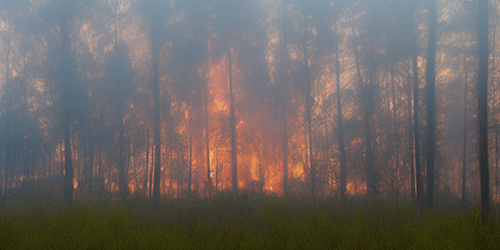
Five student teams embark on tech for social good projects
Five student teams will take on tech for social good projects with funding from the UCSC CITRIS and the Banatao Institute and the UCSC Institute for Social Transformation.
-
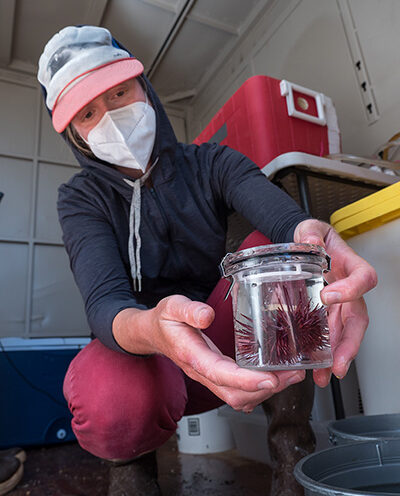
Vulnerability of red sea urchins to climate change depends on location
Scientists found that red sea urchin populations are adapted to local environments, but some populations will suffer more than others as conditions change in the future.
-
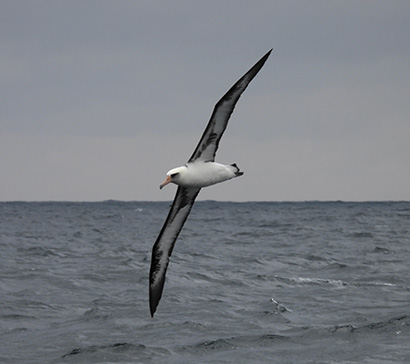
Offshore wind farms may harm seabirds, but scientists see potential for net positive impact
A new study presents a framework for assessing and mitigating the impacts of offshore wind energy development on marine birds.
-
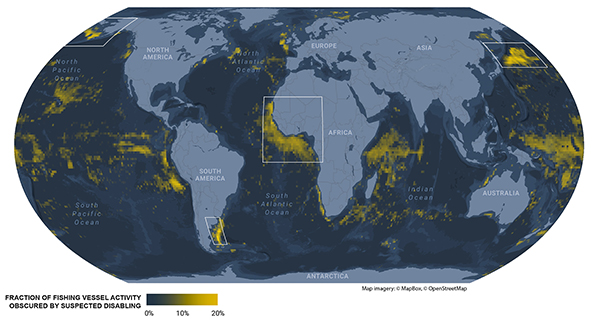
Global analysis shows where fishing vessels turn off their identification devices
A new dataset of intentional disabling of Automatic Identification System devices by fishing vessels provides insights into illegal, unreported, and unregulated fishing activity.