Ocean Sciences
-
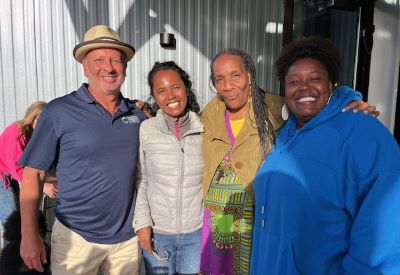
UC Santa Cruz’s Center for Coastal Climate Resilience partners with BIMS to incorporate perspectives from Black marine scientists
Today, UC Santa Cruz’s Center for Coastal Climate Resilience (CCCR) and Black in Marine Science (BIMS) announce a formal partnership to meet shared aims to expand opportunities for Black scholars, particularly for understanding risks to coastal communities from climate change and identifying solutions that reduce these risks.
-
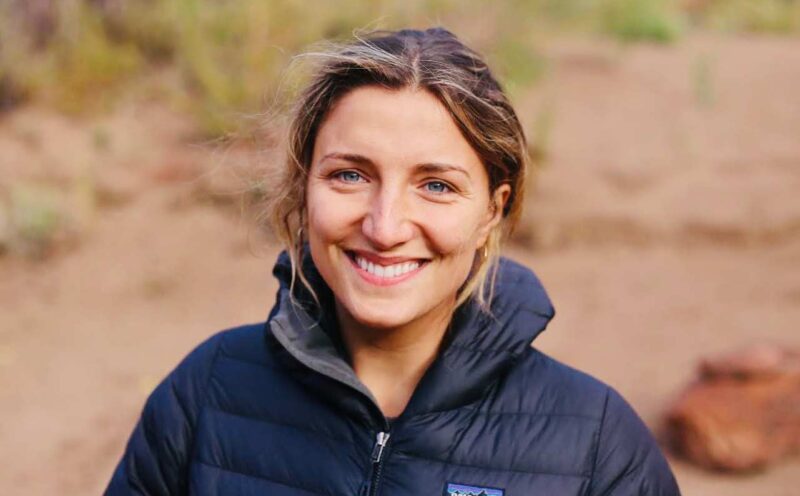
Finding the most natural solutions to climate change
From a young age, Rae Taylor-Burns knew she wanted to help solve the planet’s most pressing issue.
-
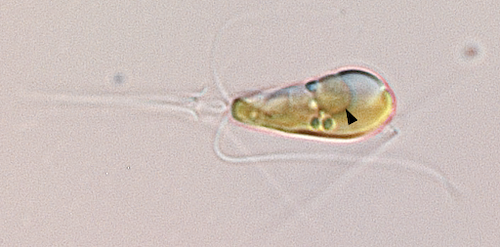
Scientists discover first nitrogen-fixing organelle
In two recent papers, an international team led by UC Santa Cruz scientists describe the first known nitrogen-fixing organelle within a eukaryotic cell. The organelle is the fourth example in history of primary endosymbiosis — the process by which a prokaryotic cell is engulfed by a eukaryotic cell and evolves beyond symbiosis into an organelle.
-
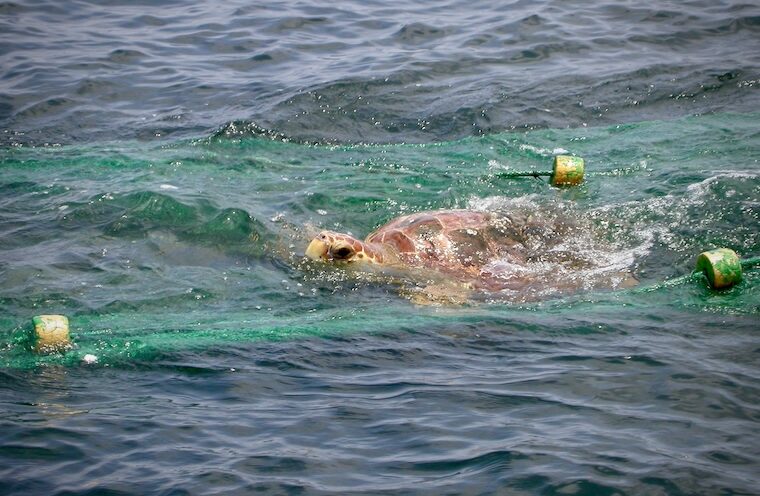
Industrial fishing poses greater risk to marine life due to untracked activity, UC Santa Cruz researchers find
A new study led by a scientist at UC Santa Cruz’s Institute of Marine Sciences finds that blue whales, tunas, and other top predators in the northeast Pacific Ocean face greater risk of harm from industrial fishing than previously thought.
-
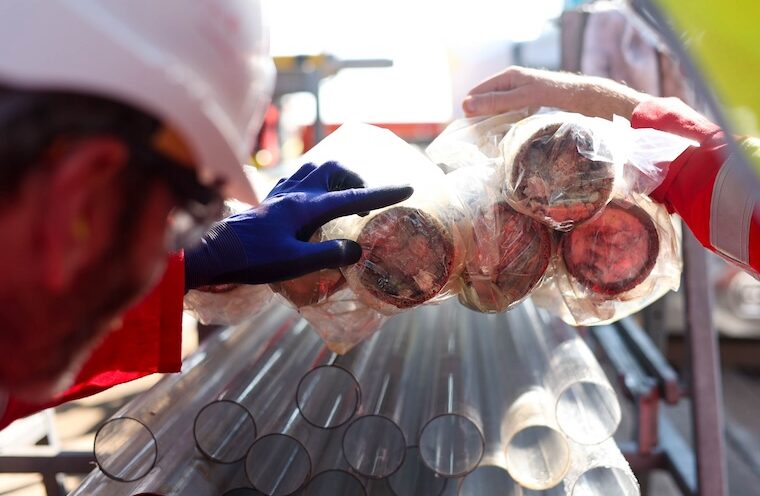
Scientists begin to crack open climate-change riddles hiding in ancient coral
An international team of researchers on an expedition co-led by UC Santa Cruz Professor Christina Ravelo collected cores of fossil coral off the coast of Hawai’i to look for signs of climate and sea-level change over the past half million years.
-
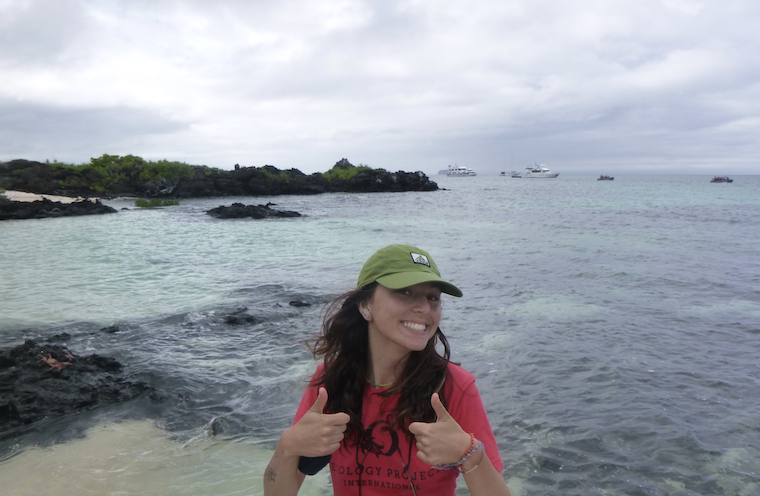
Student Gabriella Goss wins $500 Alumni Leadership Award from Ecology Project International
Her project draws inspiration from her Ecology Project International (EPI) course experience in the Galapagos Islands, where she witnessed the thriving wildlife in an ecosystem largely spared from human interference. This prompted her to explore the negative impact of human activities on animal habitats, specifically focusing on the millions of animals killed annually by vehicles.
-
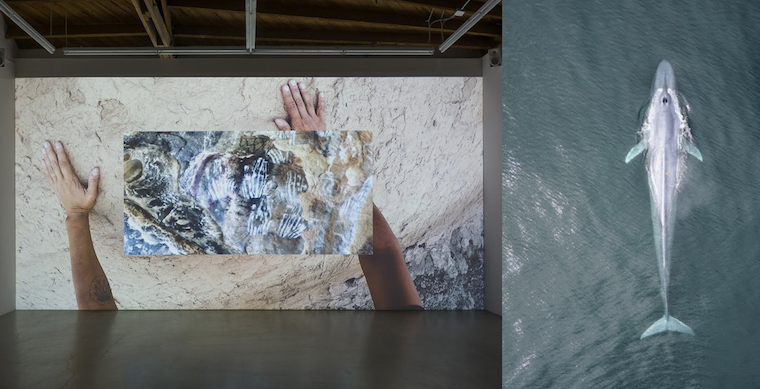
Institute of Arts and Sciences announces new interdisciplinary initiative on climate change
A new multi-year initiative will bring together arts and science to start a conversation about marine biology and the effects of climate change. The new exhibit is set to premier in 2025, and the project is already in progress as the Friedlaender lab collaborates with nationally recognized artists.
-
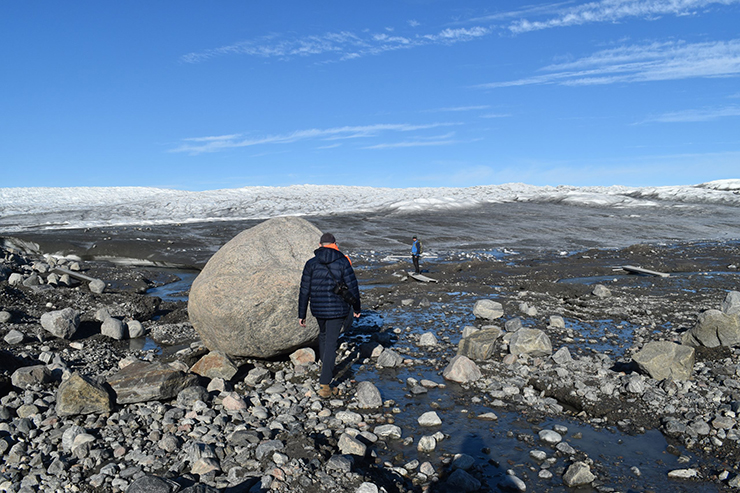
A new 66 million-year history of carbon dioxide offers little comfort for today
A massive new review of ancient atmospheric carbon-dioxide levels and corresponding temperatures lays out a daunting picture of where the Earth’s climate may be headed.
-
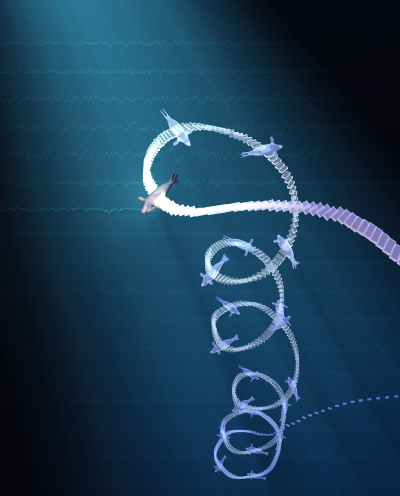
UCSC doctoral graduate wins prestigious Science & SciLifeLab Prize for Young Scientists
Jessica Kendall-Bar, who received her Ph.D. in ecology and evolutionary biology last year from UC Santa Cruz with co-advisors Terrie Williams and Dan Costa, was named a recipient of the prestigious Science & SciLifeLab Prize for Young Scientists for her research on elephant seal sleep habits while they are at sea.
-

2023 ARCS Foundation scholarships support UCSC graduate students in the sciences and engineering
Sixteen UC Santa Cruz graduate students have received scholarships worth a total of $175,000 from the Achievement Rewards for College Scientists (ARCS) Foundation for the 2023-24 academic year.
-
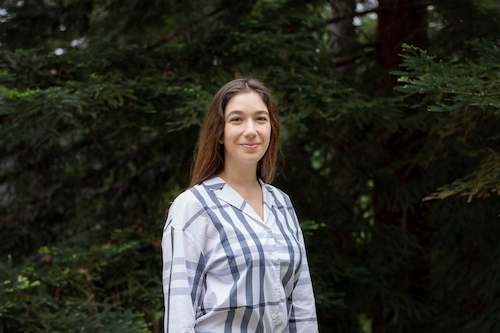
Coastal fisheries show surprising resilience to marine heatwaves
Researchers found that fish biomass often increased or was unaffected in the year following a marine heatwave.