Science
-
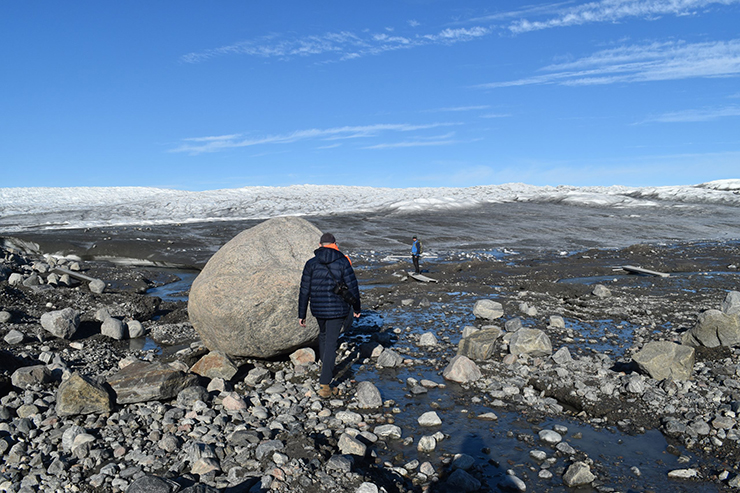
A new 66 million-year history of carbon dioxide offers little comfort for today
A massive new review of ancient atmospheric carbon-dioxide levels and corresponding temperatures lays out a daunting picture of where the Earth’s climate may be headed.
-
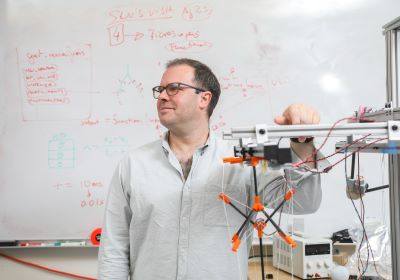
Funding opportunities to develop UC Santa Cruz innovations
The Innovation & Business Engagement Hub is now accepting applications for two funding opportunities to advance innovations being developed at UC Santa Cruz.
-

UCSC’s 2023 iGEM team grabs fourth consecutive gold medal and nomination for best software tool at international competition
A team of UC Santa Cruz students won a gold medal at the 2023 International Genetically Engineered Machine (iGEM) Grand Jamboree, marking their fourth consecutive year of bringing home the prize, and were nominated as best software tool for the first time.
-

2023 list of most highly cited researchers includes 18 UC Santa Cruz scientists and engineers
In a notable recognition of scholarly achievement, 18 scientists and engineers from UC Santa Cruz have earned a spot on the 2023 Highly Cited Researchers list, recently unveiled by Clarivate.
-

New eDNA Explorer provides a powerful new resource for conservation
CALeDNA has launched a prototype of their new eDNA Explorer, an open-source tool that provides a powerful and easily accessible platform for sharing, exploring, and analyzing data from projects that use environmental DNA.
-
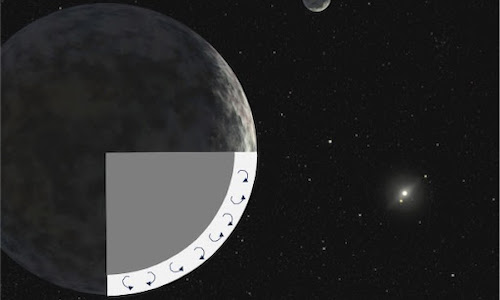
Dwarf planet Eris is squishier than expected
University of California, Santa Cruz Professor of Planetary Sciences Francis Nimmo recently co-authored a Science Advances paper about the internal structure of the dwarf planet Eris.
-
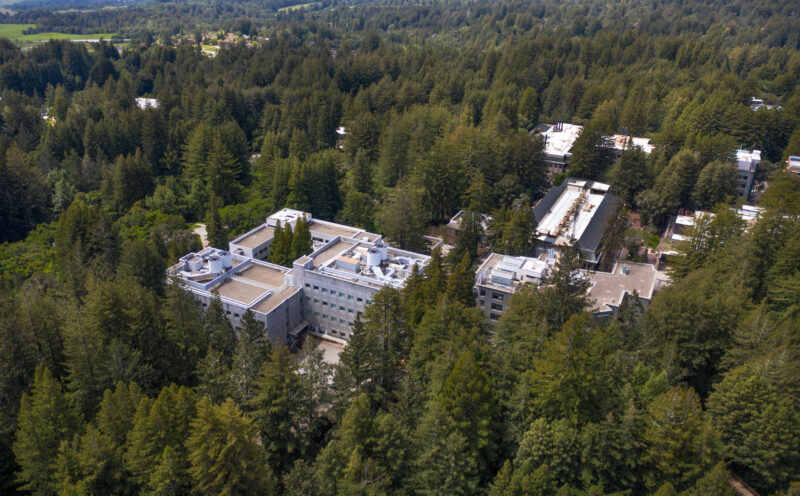
Design begins for new Interdisciplinary Instruction and Research Building (IIRB) on Science Hill
UC Santa Cruz is moving forward with preliminary design for a new building that will accommodate the undergraduate teaching programs currently held in Thimann Laboratories.
-
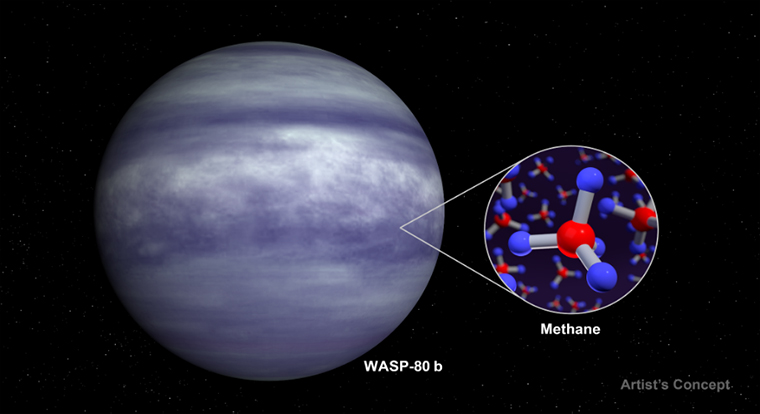
NASA’s Webb Identifies Methane In an Exoplanet’s Atmosphere
NASA’s James Webb Space Telescope observed the exoplanet WASP-80 b as it passed in front of and behind its host star, revealing spectra indicative of an atmosphere containing methane gas and water vapor.
-
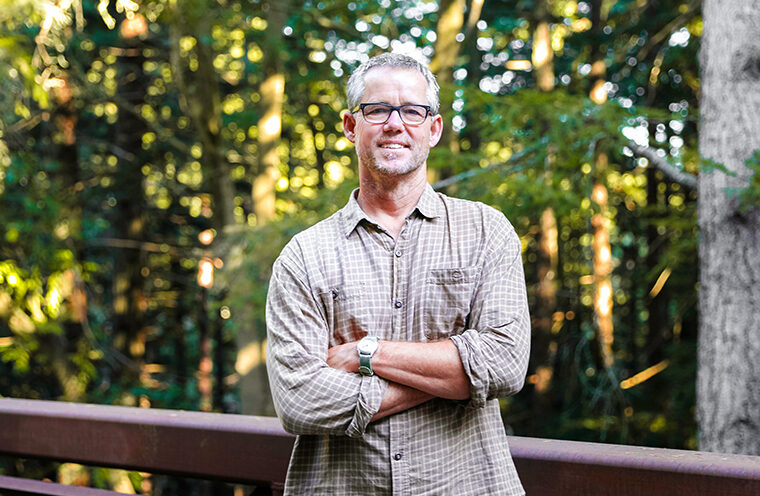
Environmental toxicologist Don Smith receives Outstanding Faculty Award
Don Smith, distinguished professor of microbiology and environmental toxicology, has been awarded the 2022-2023 Outstanding Faculty Award from the Division of Physical and Biological Sciences. The annual award is the division’s highest honor for faculty achievement, recognizing combined excellence in research, teaching, and service.
-
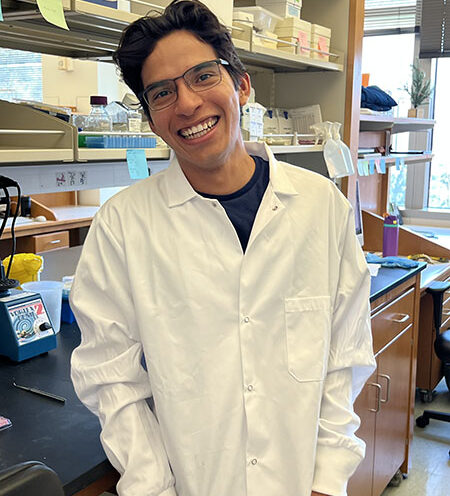
Life Beyond the Redwoods: Benny Mosqueira participates in groundbreaking research one year after graduating from UCSC
One year after graduating from UCSC, Benny Mosqueira is a research assistant for MCD Biology Assistant Professor D’Juan Farmer’s lab at UCLA.
-
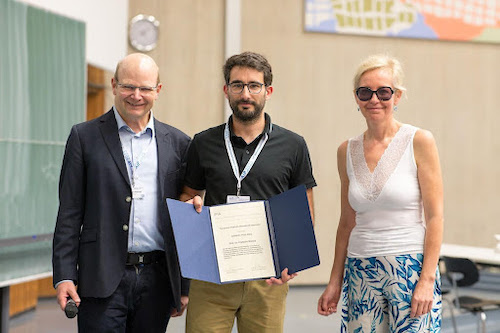
François Monard honored with Calderón Prize for inverse problems work
University of California, Santa Cruz professor of mathematics François Monard has received the prestigious Calderón Prize for his work in the field of inverse problems.
-
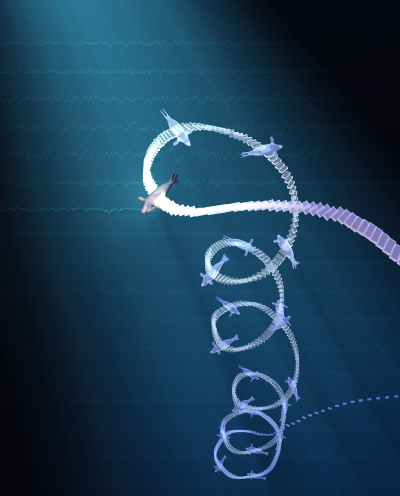
UCSC doctoral graduate wins prestigious Science & SciLifeLab Prize for Young Scientists
Jessica Kendall-Bar, who received her Ph.D. in ecology and evolutionary biology last year from UC Santa Cruz with co-advisors Terrie Williams and Dan Costa, was named a recipient of the prestigious Science & SciLifeLab Prize for Young Scientists for her research on elephant seal sleep habits while they are at sea.