Science
-
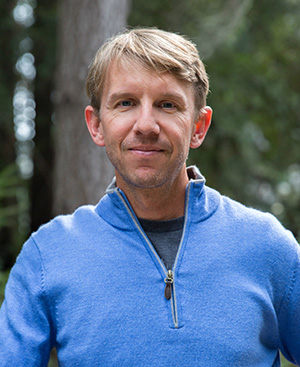
With Pivot Fellowship, astronomer J. Xavier Prochaska turns to oceanography
A new program from the Simons Foundation supports successful researchers who have a deep interest, curiosity, and drive to make contributions to a new discipline.
-
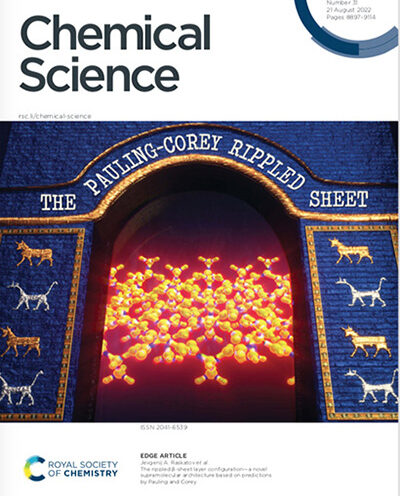
New study confirms ‘rippled sheet’ protein structure predicted in 1953
UCSC scientists reported three crystal structures of periodic rippled beta sheets, a novel protein structure with potential applications in biomedicine and materials science.
-
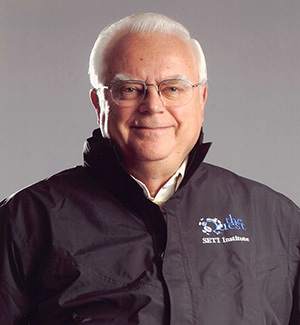
Pioneering radio astronomer Frank Drake dies at 92
Frank Drake, professor emeritus of astronomy and astrophysics and an eminent radio astronomer known for his pioneering efforts in the search for extraterrestrial intelligence (SETI), died September 2 at his home in Aptos.
-
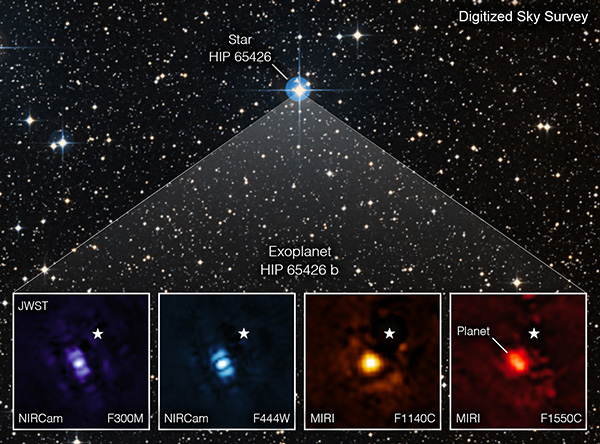
NASA releases Webb telescope’s first exoplanet image
UCSC astronomers led the analysis of the first exoplanet images captured by the James Webb Space Telescope.
-

Astronomer Ariadna Murguia-Berthier wins 2022 Trumpler Award for Ph.D. thesis
The Astronomical Society of the Pacific is honoring Murguia-Berthier for the research she completed as a graduate student in astronomy at UC Santa Cruz.
-
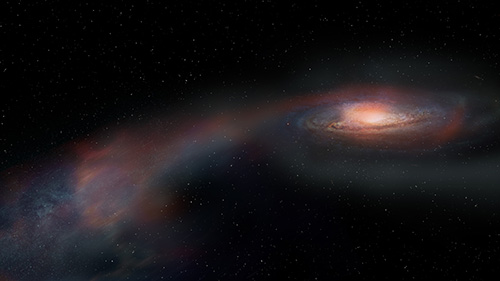
Astronomers witness star-slinging tug-of-war between merging galaxies
Observations of a newly-dormant galaxy indicate that it stopped forming stars not because it used up all of its gas but because most of its star-forming fuel was thrown out of the system as it merged with another galaxy.
-
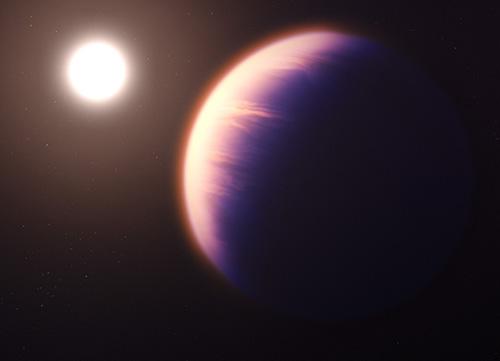
JWST makes first unequivocal detection of carbon dioxide in an exoplanet atmosphere
UCSC astronomer Natalie Batalha leads a team that detected carbon dioxide in the atmosphere of the exoplanet WASP-39b using the James Webb Space Telescope.
-

New mural in Sinsheimer Laboratories building celebrates diversity in science
The mural by artist Paul Lewin was commissioned as part of the healing process after disturbing incidents of vandalism targeting Black Lives Matter posters.
-
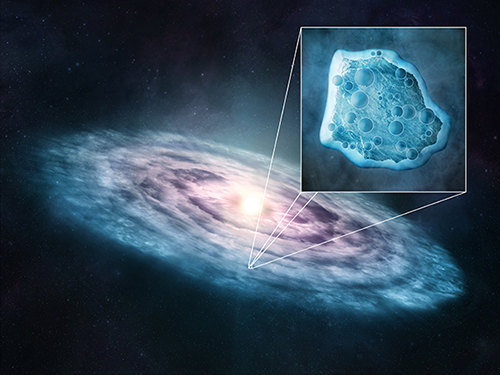
Missing carbon monoxide in planetary disks was hiding in the ice
In planetary disks, carbon monoxide is lurking in large chunks of ice, solving the decade-old question, ‘Where is the CO?’
-
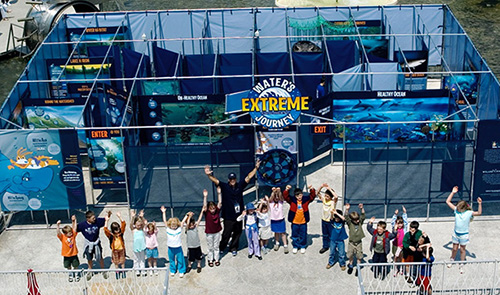
‘Water’s Extreme Journey,’ a new exhibit at the Seymour Center, opens in September
A new exhibit opening in September at the Seymour Marine Discovery Center features a maze and interactive activities highlighting the challenges of keeping our water clean.
-
Lenses and Mirrors-Shadow the Scientists receives Heising-Simons Foundation grant
Kickstarted by UC Santa Cruz Astronomy and Astrophysics Professor Raja GuhaThakurta, Lenses and Mirrors–Shadow the Scientists brings cutting-edge scientific research to anybody’s computer screen.
-
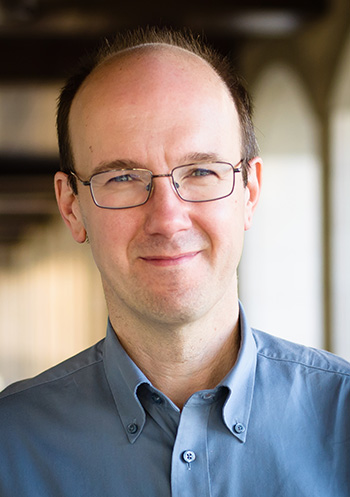
Astrophysicist Bruce Macintosh appointed director of UC Observatories
UC President Michael Drake has appointed Bruce Macintosh director of UC Observatories, an astronomical research unit headquartered at UC Santa Cruz and serving nine UC campuses.