Science
-
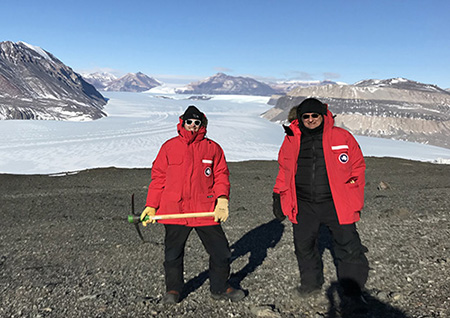
New study shows retreat of East Antarctic Ice Sheet during previous warm periods
Evidence of glacial retreat in the Wilkes Basin 400,000 years ago suggests ice loss in this region could add 10 to 13 feet (3 to 4 meters) to future global sea level rise.
-
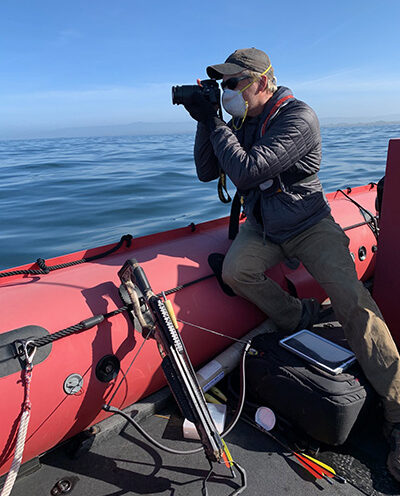
Is COVID-related reduction in marine traffic reducing stress in whales?
Whale researchers are taking advantage of changes in boat traffic in Monterey Bay during the pandemic to collect data on stress hormones in humpback whales.
-
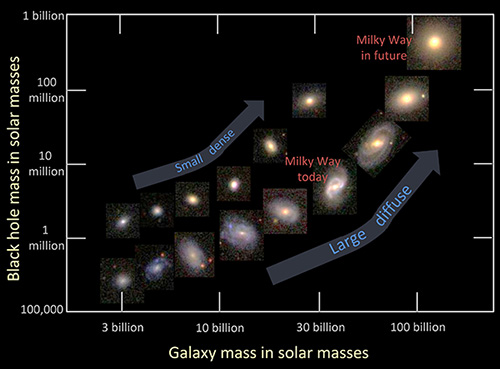
How galaxies die: New insights into the quenching of star formation
A simple model explains a wide range of observations by describing a contest between galaxy halos and their central black holes that eventually turns off star formation.
-

Astrophysics graduate student Diana Powell wins 2020 Ford Fellowship
Powell won a Ford Foundation Dissertation Fellowship to support her work as she completes her Ph.D. thesis on exoplanets.
-
STEM Diversity Programs honored by ‘Insight into Diversity’ magazine
‘Insight into Diversity’ magazine has recognized the STEM Diversity Programs at UC Santa Cruz with its 2020 Inspiring Programs in STEM Award.
-
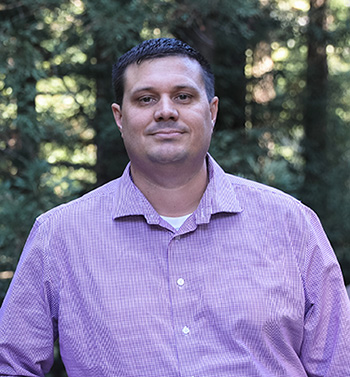
UC Santa Cruz leads research center on botanical dietary supplements
A new $5 million NIH grant supports a collaborative research program to understand the cellular mechanisms by which botanical natural products may affect human health.
-
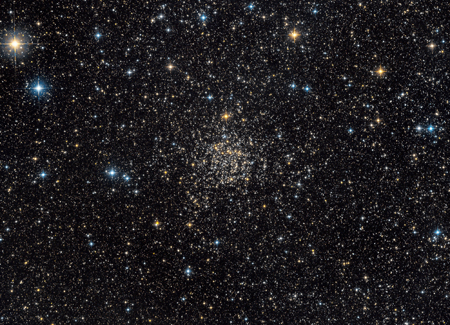
White dwarfs reveal new insights into the origin of carbon in the universe
A new analysis of white dwarf stars supports their role as a key source of carbon, an element crucial to all life, in the Milky Way and other galaxies.
-
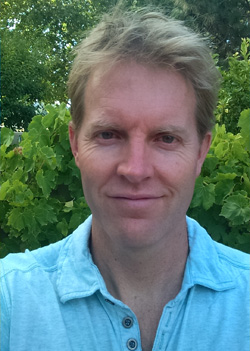
A call for caution, personal responsibility
If people simply wait around for federal, state, and local governments to save them from the COVID-19 pandemic, rather than take precautions to keep themselves and their communities safe, “we will lose the economy and our lives,’’ said infectious disease expert A. Marm Kilpatrick this week.
-
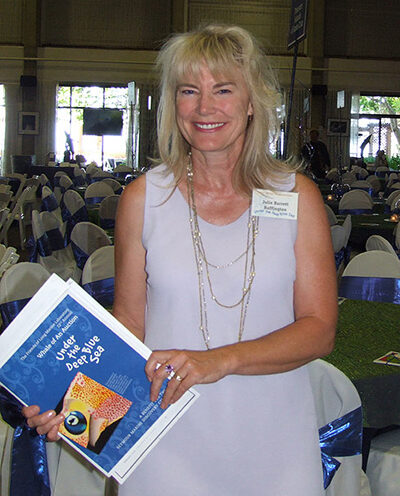
Seymour Center director to retire
During Julie Barrett Heffington’s 21-year term as director, the center has established widely appreciated public programs and served nearly 1.5 million visitors
-
Hellman Fellows Program and UC announce $125 million commitment to faculty research
The Hellman Fellows Program and the University of California announced a plan to permanently support the Hellman Fellows Program on all 10 campuses in the UC system.
-
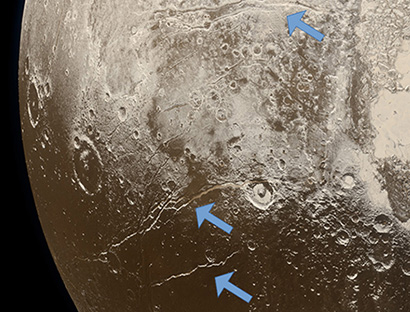
Evidence supports ‘hot start’ scenario and early ocean formation on Pluto
A new study suggests that Pluto and other large Kuiper belt objects started out with liquid oceans which have been slowly freezing over time.
-
Steck Award recipient helps discover protein involved with circadian clock timing
Afred Freeberg assisted the Partch lab in studying the molecular basis for circadian rhythms – biological processes that occur naturally in line with the Earth’s 24-hour daily rotation cycle.