Science
-

Powerful new supercomputer supports campus research in physical sciences
UCSC faculty are using the new system for research in astrophysics, climate science, materials science, chemistry, and other fields.
-
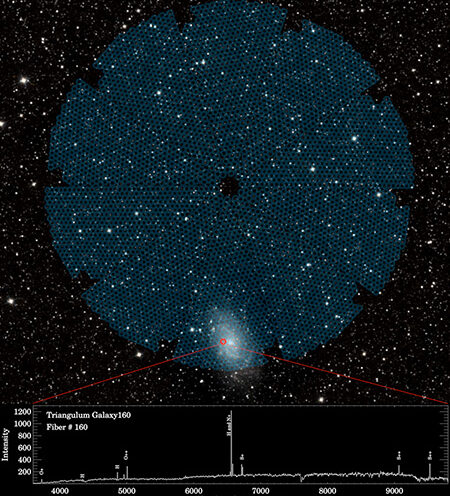
DESI opens its 5,000 eyes to capture the colors of the cosmos
UC Santa Cruz astronomers have played leading roles in the collaborative effort to install a new sky-surveying instrument now beginning final testing.
-
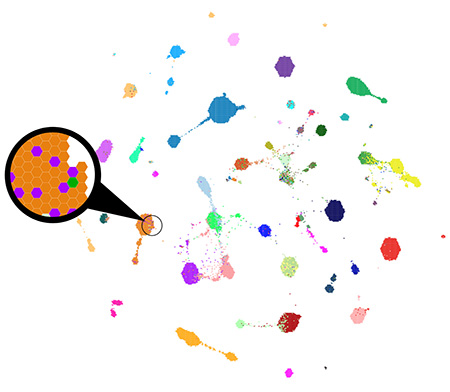
Pediatric cancer study shows usefulness of gene expression analysis
Analyzing gene expression in tumor cells from children with cancer is more likely to reveal targets for therapy than analysis of DNA mutations, according to a new study led by UCSC researchers.
-

Boosting diversity, inclusion, and representation in science journalism
Science Communication Master’s Program empowers the next generation of science journalists with support from the Chan Zuckerberg Initiative
-
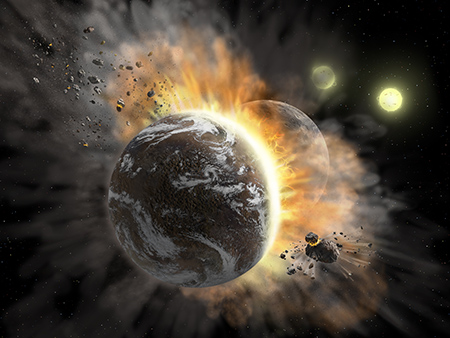
When exoplanets collide
Scientists thought they found clues pointing to a collision between two exoplanets ten years ago. Now they found more evidence of a catastrophic collision.
-
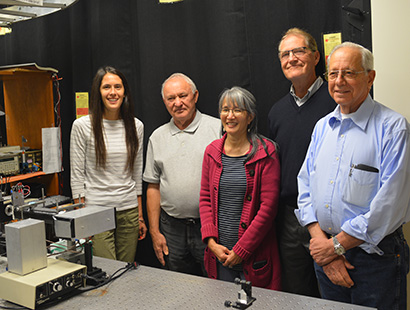
Biophysicist David Kliger investigates how a protein goes wrong and causes blindness
Abnormal versions of the protein rhodopsin lead to blindness in people with the genetic disease retinitis pigmentosa.
-
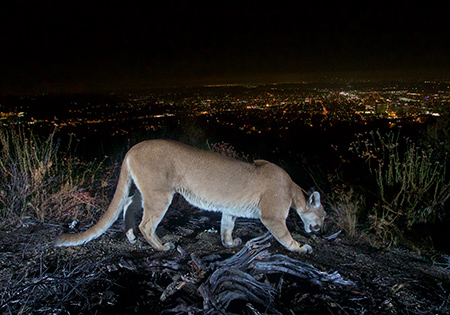
Whole genome sequencing could help save pumas from inbreeding
The first complete genetic sequences of individual mountain lions point the way to better conservation strategies for saving threatened populations of the wild animals.
-
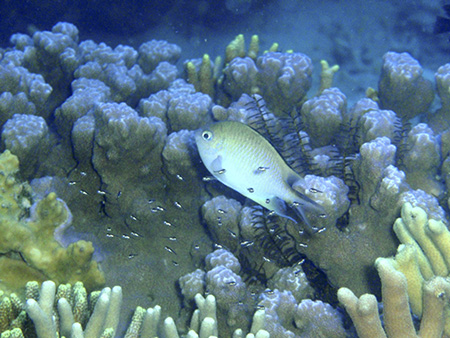
Reef fish caring for their young are taken advantage of by other fish
Biologists have reported the first evidence of brood parasitism in coral reef fish, finding unrelated young fish in groups of young being protected by their parents.
-
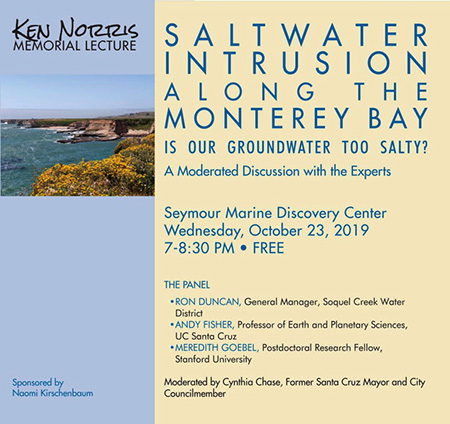
Norris Lecture features expert panel on saltwater intrusion October 23
The 2019 Ken Norris Memorial Lecture on Wednesday, October 23, addresses saltwater intrusion along the Monterey Bay: Is our groundwater too salty?
-
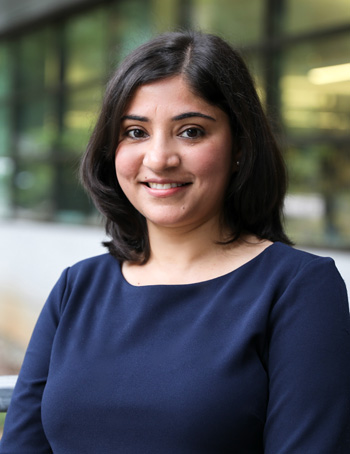
Biologist Upasna Sharma wins NIH Director’s New Innovator Award
The prestigious $1.5 million grant will fund Sharma’s research on how environmental effects can be passed down from parents to their offspring.
-
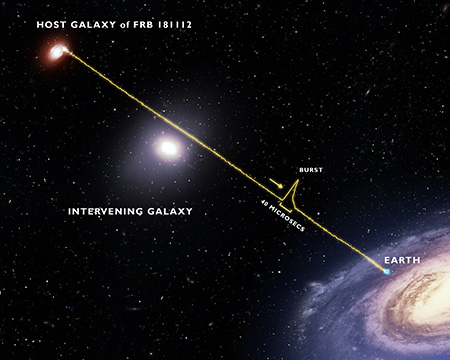
Galaxy found to float in a tranquil sea of halo gas
Analysis of radio pulses that passed through a galactic halo reveals a surprisingly quiescent halo with very low density and weak magnetic field.
-
Climate report describes escalating impacts on oceans, ice, and snow
UCSC ocean scientist Raphael Kudela is a lead author of the IPCC Special Report on the Ocean and Cryosphere in a Changing Climate, which provides new evidence for the benefits of limiting global warming.