Science
-
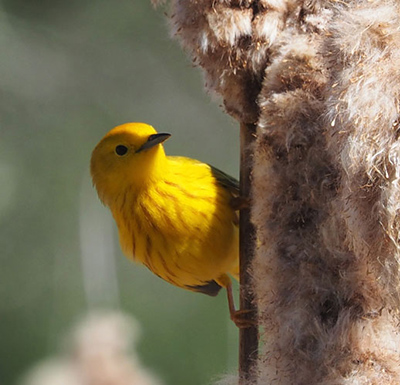
How birds’ genes influence adaptation to climate change
Biologists involved in the Bird Genoscape Project are racing against time to find out the potential for adaptation in vulnerable populations of birds.
-
Neutron star merger observations hailed as scientific breakthrough of the year
Both Science and Physics World noted the significance of the findings in which UC Santa Cruz astronomers played a key role.
-
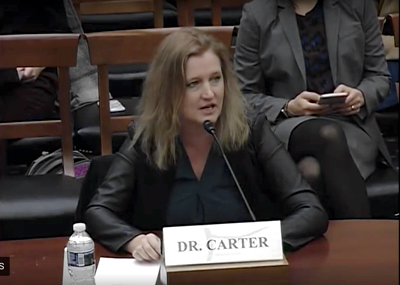
NSF I-Corps pushes discoveries to market
Professor Sue Carter testified before congressional leaders on NSF Innovation Corps, which assists scientists and engineers in discovering commercial applications for their research.
-
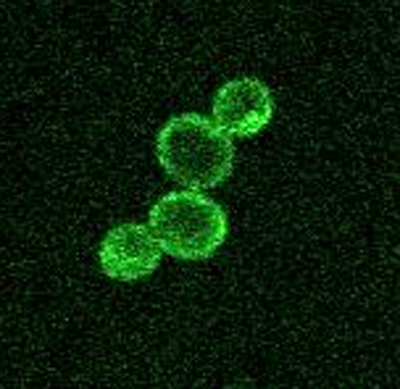
Unraveling the mechanisms that control cell growth and size
Scientists studying how cells control their size and growth rate are closing in on fundamental mechanisms that are common to all cells and are disrupted in cancer.
-
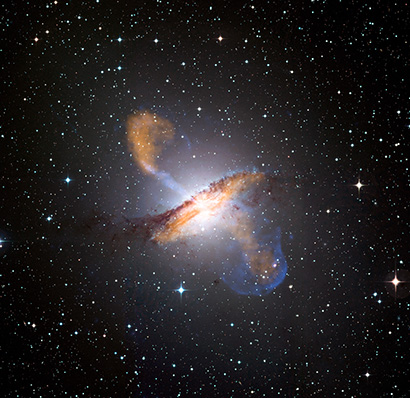
Supermassive black holes control star formation in large galaxies
Astronomers found a close correlation between the mass of a galaxy’s central black hole and its star formation history.
-
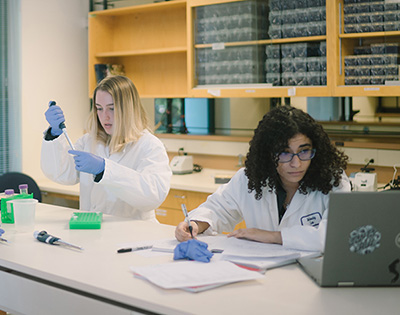
MCD Biology launches undergraduate biomedical research initiative
Biology professor Jeremy Sanford is taking a bold new approach to the undergraduate biology lab experience.
-
UC Santa Cruz ranks in top 50 of global research universities, 5th for space sciences
UC Santa Cruz ranks fifth in the world for space sciences and is one of six University of California campuses ranked among the top 50 research universities overall, according to a study by U.S. News and World Report.
-
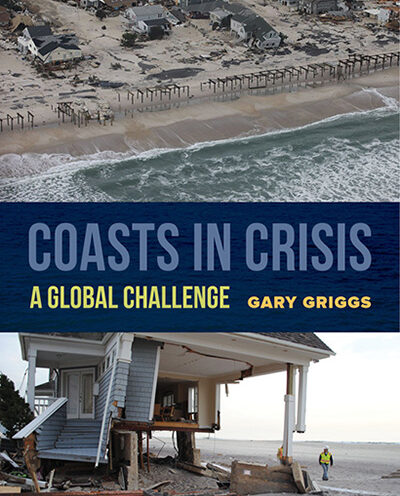
Geologist Gary Griggs publishes two new books on coastal issues
‘The Edge’ focuses on California’s unique coastline, while ‘Coasts in Crisis’ offers a global perspective on the issues facing coastal regions throughout the world.
-
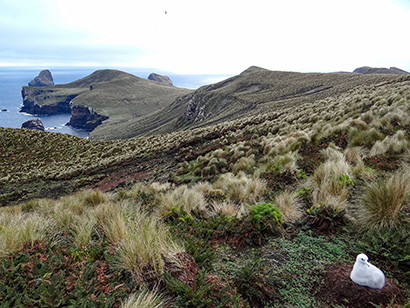
Want to save 41 percent of the planet’s highly threatened vertebrates? Work on islands
A new study has mapped the world’s most vulnerable island species and identified invasive species as a key threat to their survival.
-
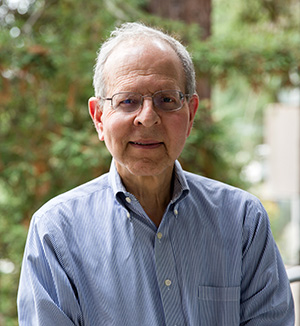
Physicist Michael Dine wins Sakurai Prize for Theoretical Physics
A UC Santa Cruz physicist has won the Sakurai Prize for the second year in a row.
-
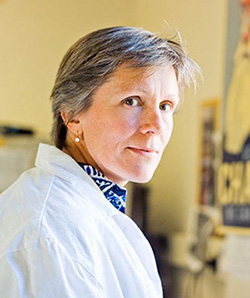
Local cancer charity group funds four cancer researchers at UC Santa Cruz
The Santa Cruz Cancer Benefit Group has given more than $450,000 in grants to the campus since 2005.
-
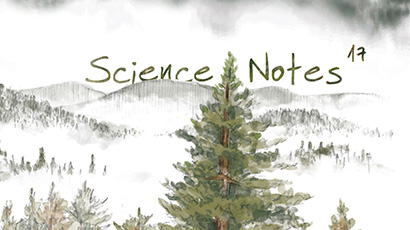
‘Science Notes 2017’ now available online
Science Notes 2017, the illustrated online magazine published annually by the UC Santa Cruz Science Communication Program, is available online.