News Article
-
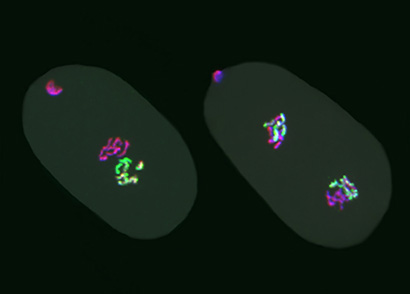
New study shows transmission of epigenetic memory across multiple generations
Changing the epigenetic marks on chromosomes leads to altered gene expression in offspring and in grandoffspring, demonstrating ‘transgenerational epigenetic inheritance.’
-

Three UC Santa Cruz alums are revolutionizing telehealth with their virtual reality physical therapy platform
Immergo Labs, founded in 2020, provides an affordable, accessible, and immersive telehealth physical therapy care platform.
-
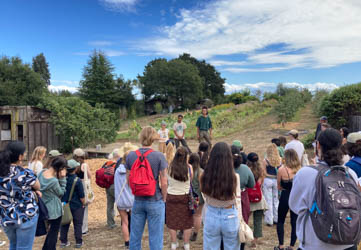
Partnership across UC campuses will prepare the next generation of leaders in organic agriculture
A USDA grant of more than $700,000 will support a collaboration led by UC Santa Cruz to improve and expand undergraduate education in organic agriculture, with an emphasis on supporting underrepresented students.
-

NSF funding will strengthen infrastructure for open source ecosystems at UCSC
Co-principal investigator Stephanie Lieggi and PI Carlos Maltzahn will develop a plan to recruit research software engineering staff who can establish and maintain the support infrastructure necessary for open source projects to thrive within the university context.
-

UC Santa Cruz’s Research Center for the Americas to be named in honor of Dolores Huerta
UC Santa Cruz will rename the Research Center for the Americas, which is celebrating 30 years of groundbreaking research, in honor of social justice icon Dolores Huerta, whose legacy has influenced the center’s work and values.
-

Saturn’s rings and tilt could be the product of an ancient, missing moon
A “grazing encounter” may have smashed the moon to bits to form Saturn’s rings, a new study suggests.
-
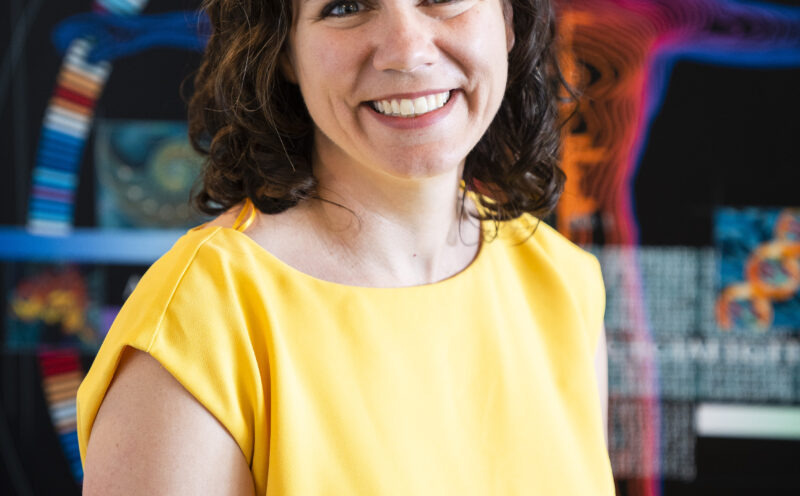
Karen Miga to speak with former president and other visionaries at the Clinton Global Initiative Meeting
This Tuesday, September 20 at 1:30 PST, Karen Miga will speak during the conference’s closing plenary session, joining Bill Clinton, Lin Manuel Miranda, Dolores Huerta, and more.
-
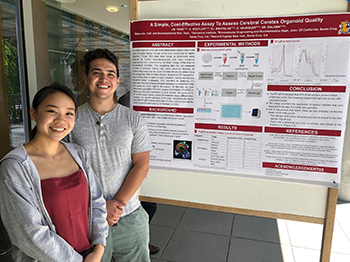
New program will mentor and train students underrepresented in genomics research
The UC Santa Cruz Genomics Institute will partner with California State University, Monterey Bay (CSUMB) and the University of Puerto Rico, Río Piedras Campus to mentor and provide genomics research experience for students from these two hispanic-serving institutions.
-
Study reveals the molecular origin of the genetic disease cystinosis
New understanding of how the transporter protein cystinosin functions may lead to better treatments for a devastating genetic disease.
-
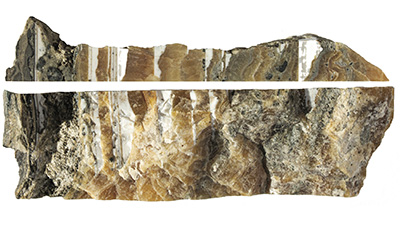
Record of Antarctic ice sheet response to climate cycles found in rock samples
The effects of global climate cycles on Southern Ocean temperatures drove cycles of melting and freezing in the East Antarctic Ice Sheet every few thousand years, according to a new study.
-

Innovative climate resilience projects supported by 2022 CITRIS Campus Seed Funding awards
Four winning projects have been funded through the The Center for Information Technology Research in the Interest of Society (CITRIS) and the Banatao Institute at UC Santa Cruz’s Campus Seed Funding program to pursue research relating to climate resilience.
-

UCSC researchers win big at American Sociological Association annual meeting
Professor emeritus Craig Reinarman was honored with the 2022 Senior Scholar Award by the ASA’s Drugs and Society Section, and Ph.D. student Michelle Gomez Parra received the Sociology of Sexualities Section’s Martin P. Levine Memorial Dissertation Fellowship. Politics Professors Eleonora Pasotti and Mark Massoud were celebrated for book awards.