News Article
-
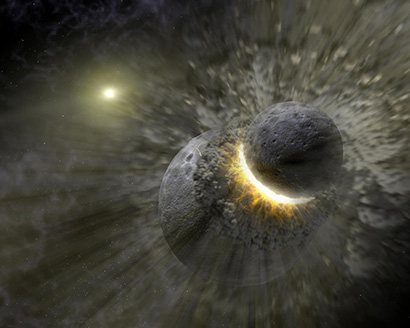
Simulations explain giant exoplanets with eccentric, close-in orbits
A giant-impacts phase in the evolution of planetary systems can explain the observations of close-in giant planets with eccentric orbits.
-
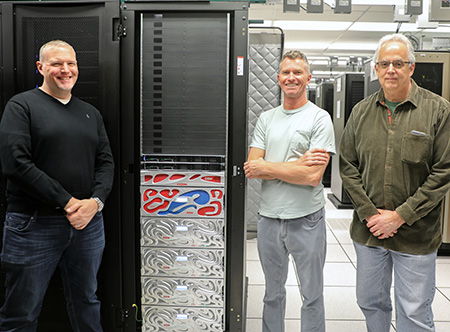
Powerful new supercomputer supports campus research in physical sciences
UCSC faculty are using the new system for research in astrophysics, climate science, materials science, chemistry, and other fields.
-
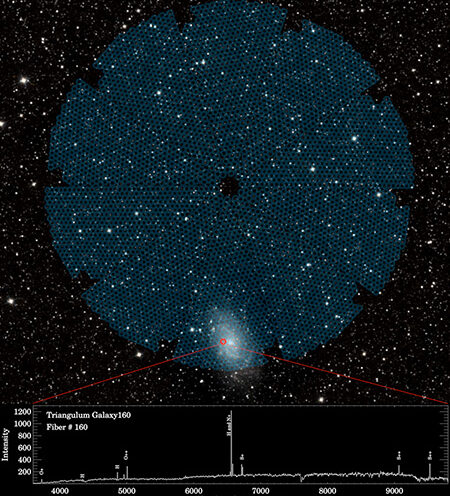
DESI opens its 5,000 eyes to capture the colors of the cosmos
UC Santa Cruz astronomers have played leading roles in the collaborative effort to install a new sky-surveying instrument now beginning final testing.
-
Climate engineering: International meeting reveals tensions
At this point, the greatest danger of climate engineering may be how little is known about where countries stand on these potentially planet-altering technologies. Who is moving forward? Who is funding research? And who is being left out of the conversation?
-
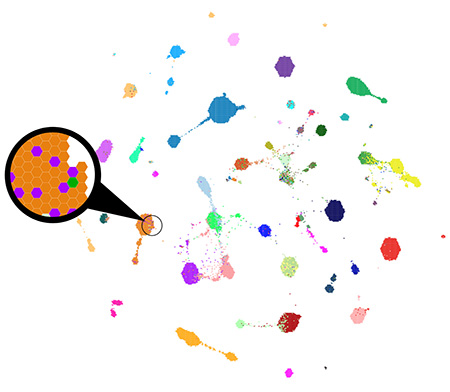
Pediatric cancer study shows usefulness of gene expression analysis
Analyzing gene expression in tumor cells from children with cancer is more likely to reveal targets for therapy than analysis of DNA mutations, according to a new study led by UCSC researchers.
-
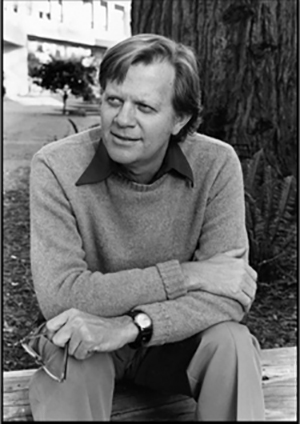
Campus conference to honor renowned late UC Santa Cruz historian Hayden White
UCSC will present a conference in honor of the influential late historian on November 1-2 at the Merrill Cultural Center. Scholars from a wide range of disciplines will participate in an effort to channel the vital, open-ended, iconoclastic spirit of White, professor emeritus in the History of Consciousness Department.
-

Boosting diversity, inclusion, and representation in science journalism
Science Communication Master’s Program empowers the next generation of science journalists with support from the Chan Zuckerberg Initiative
-

Institute of the Arts and Sciences kicks off 2019-20 Traction: Art Talks speaker series
‘Traction: Art Talks’ is a twice-quarterly artist speaker series launched by UCSC’s Institute of the Arts and Sciences in 2017. The goal is to introduce students and the public to some of the most important artists working today.
-
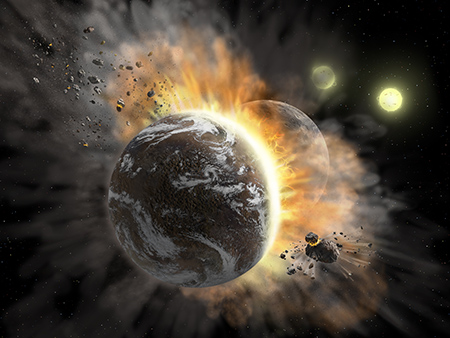
When exoplanets collide
Scientists thought they found clues pointing to a collision between two exoplanets ten years ago. Now they found more evidence of a catastrophic collision.
-
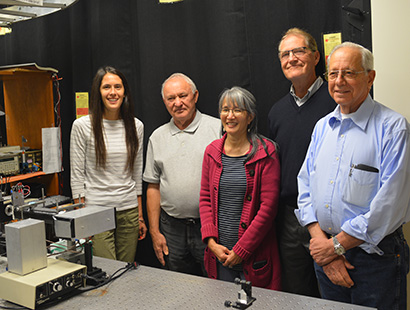
Biophysicist David Kliger investigates how a protein goes wrong and causes blindness
Abnormal versions of the protein rhodopsin lead to blindness in people with the genetic disease retinitis pigmentosa.
-
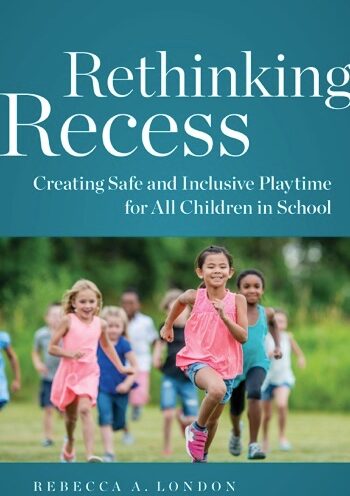
Learning on the playground: How elementary school recess enhances every aspect of child development
Recess is a lot like school lunch: Some kids get lasagna with an organic green salad, some get a burrito out of a box, and some do without. Like lunch, who gets recess—and who gets good recess—is often determined by what school district a student lives in.
-
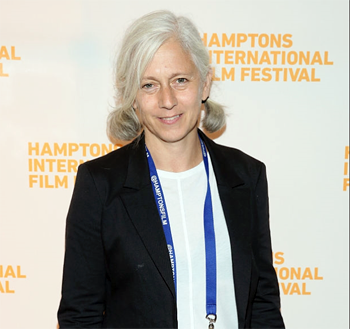
Dee Hibbert-Jones receives 2019 International Documentary Association grant for new animated film
UC Santa Cruz professor of art Dee Hibbert-Jones has won a 2019 International Documentary Association (IDA) grant for “Run With It”–an animated documentary film she is currently working on in collaboration with San Francisco artist Nomi Talisman.