News Article
-

Demographics of deportation: Noncitizens fare better in communities that are 20-40 percent Hispanic
An exhaustive new analysis of deportation practices across the country reveals a “protective effect” for noncitizens living in communities that are 20 percent to 40 percent Hispanic.
-
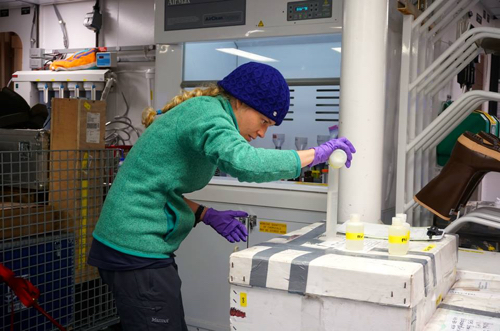
Ocean fertilization by unusual microbes extends to frigid waters of Arctic Ocean
Researchers have documented nitrogen fixation by an unusual type of cyanobacteria in the cold waters of the Bering and Chukchi Seas.
-
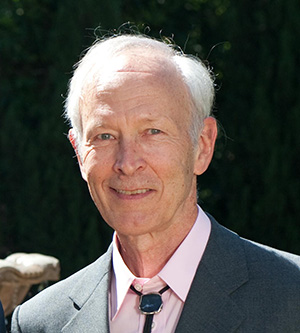
The complex history of Earth’s magnetic reversals
UC Santa Cruz geology professor Robert Coe will be presenting his paper, “What We Know and Don’t Know about Reversals” during the upcoming American Geophysical Union (AGU) meeting in Washington, D.C. this December.
-
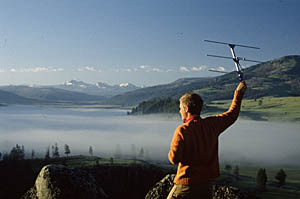
Wild animals key to mediating landscape’s capacity to store carbon, researchers say
Advances in remote sensing technologies are helping scientists to better measure how global landscapes—from forests to savanna—are able to store carbon, a critical insight as they evaluate the potential role of ecosystems in mitigating climate change.
-
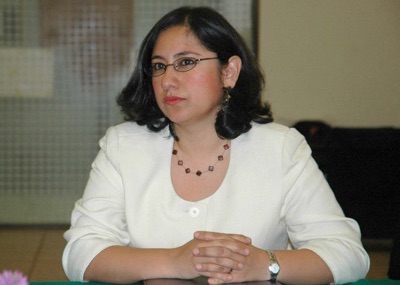
Alumna Irma Eréndira Sandoval leads Mexico’s anti-corruption efforts
Mexico’s new president tapped UC Santa Cruz alumna Irma Sandoval to lead the government’s anti-corruption efforts.
-

DVD box set curated by Shelley Stamp wins 2018 New York Film Critics Circle Award
“Pioneers: First Women Filmmakers”–a Kino Classics box set curated by UC Santa Cruz film and digital media professor Shelley Stamp and executive produced by actress, director, and screenwriter Illeana Douglas–has received a 2018 Special Award from the New York Film Critics Circle.
-
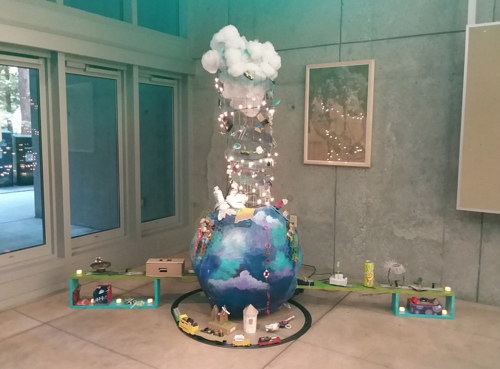
Art exhibit highlights the ubiquity of motors
“Motors Surround Us”—a collaboration between a physics lecturer, her students, and community artists—will be on display through Dec. 31 in the atrium of the Physical Sciences Building.
-
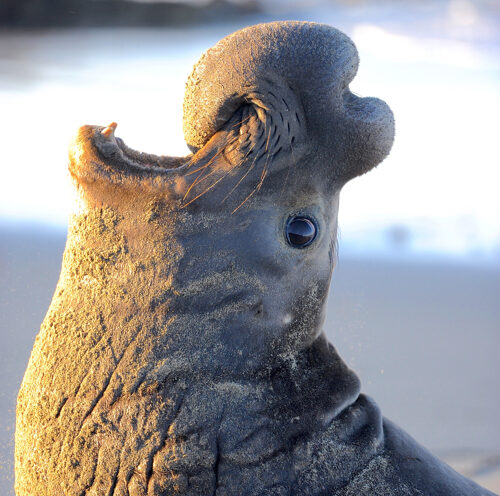
Environmental, social changes shift how elephant seals communicate
UC Santa Cruz Ph.D. candidate Caroline Casey retraced biologist Burney Le Boeuf’s scientific footsteps and discovered the seals’ threat calls no longer had geographic distinctions. Instead, as the northern elephant seal population had increased, the males’ calls had grown more individualized and complex.
-
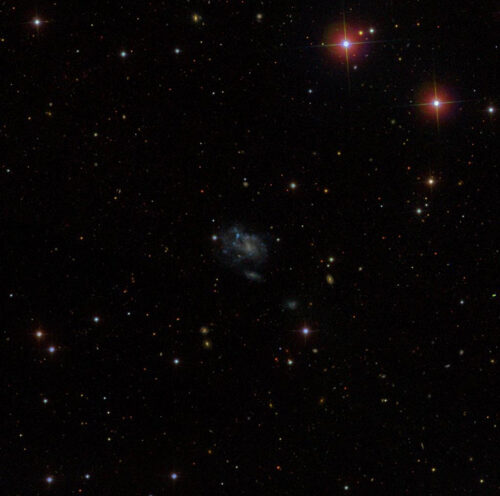
Kepler telescope captures extraordinary observations of a star’s death throes
Kepler’s observations of the supernova known as SN 2018oh showed an unexpected fast rise in brightness that may be an important clue to understanding the progenitors of Type Ia supernovae, which cosmologists use to study the expansion of the universe and dark energy.
-
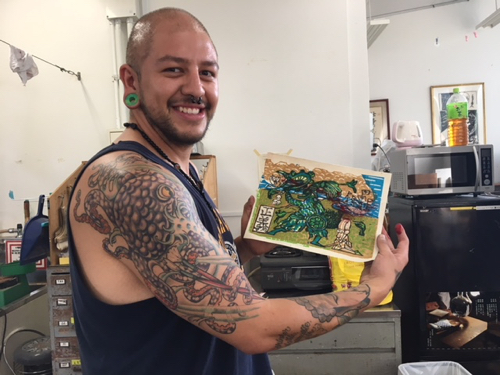
Summer abroad programs offer hands-on learning opportunities
UC Santa Cruz has significantly expanded its faculty-led summer abroad programs, now offering seven different opportunities for students to further their education in other countries.
-

UC Santa Cruz receives significant Hunter S. Thompson collection
An 800-volume collection of works by famed author and journalist Hunter S. Thompson has been donated to Special Collections & Archives at UC Santa Cruz.