rlondon
-
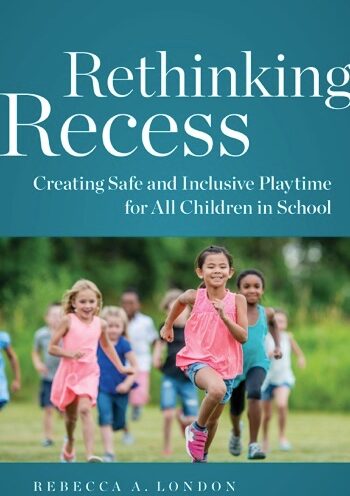
Learning on the playground: How elementary school recess enhances every aspect of child development
Recess is a lot like school lunch: Some kids get lasagna with an organic green salad, some get a burrito out of a box, and some do without. Like lunch, who gets recess—and who gets good recess—is often determined by what school district a student lives in.
-
Addressing student hunger boosts academic success, too
A new study suggests that enrolling students in CalFresh—the state’s food assistance program for low-income residents—not only addresses student hunger but also boosts the retention rate of participating undergraduates.
-

Silicon Valley Campus raising profile
By Scott Brandt, Vice Chancellor, Office of Research — The role of UC Santa Cruz in Silicon Valley—an extension of our mission of education, research, and service—is focused on four key areas.
-

Santa Cruz County Profiles: Rebecca London helps harness data on local youth for good
Rebecca London of Sociology was featured in a front-page story about the Silicon Valley Regional Data Trust, an initiative envisioned by Research Professor Rod Ogawa to help children's academic performance by building data-sharing partnerships among school districts and social welfare agencies in three counties.
-

New Research Brief Supports Recess for All Elementary School Students
Rebecca London, assistant professor of sociology, had her work featured in a blog in Education Week, the largest-read education daily in the country.
-

Does Recess Need Coaching?
Rebecca London, assistant professor of sociology, was quoted in a Wall Street Journal article about her new research into the value of recess.