sjinnah
-

The hard lessons of Harvard’s failed geoengineering experiment
Environmental Studies Professor Sikina Jinnah, who co-chaired the Advisory Committee for Harvard's proposed SCoPEX solar geoengineering experiment, told MIT Technology Review that the need for early public engagement in future research proposals is one of the major take-home lessons from the project.
-
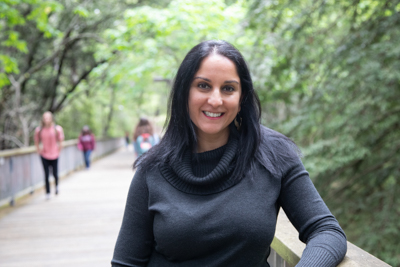
UC Santa Cruz expert helps to weigh costs and benefits of controversial research on a high-risk technology to fight climate change
Environmental Studies Professor Sikina Jinnah recently wrapped up almost three years of work co-chairing Harvard University’s SCoPEX Advisory Committee, one of the world’s first efforts to design and implement a governance framework for an outdoor solar geoengineering experiment.
-
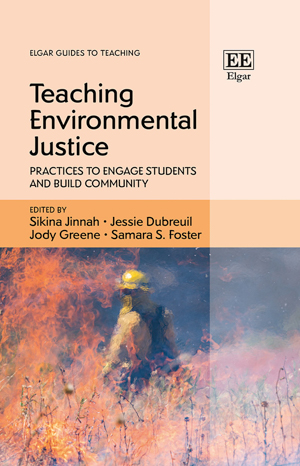
New book shares expertise from UC Santa Cruz and beyond on preparing students to tackle environmental justice issues
A new book developed by UC Santa Cruz faculty and staff offers teaching examples, strategies, and classroom tools to help integrate environmental justice into courses in ways that center equity.
-

“Voices Of Pajaro” Brings South County Reality To UCSC
Good Times magazine covered an event organized by UCSC's Center for Reimagining Leadership that shared stories and experiences from the Pajaro levee breach and encouraged students to get involved. Astronomy and Astrophysics Professor Enrico Ramirez‑Ruiz is the center's director, and Environmental Studies Professor Sikina Jinnah is associate director.
-
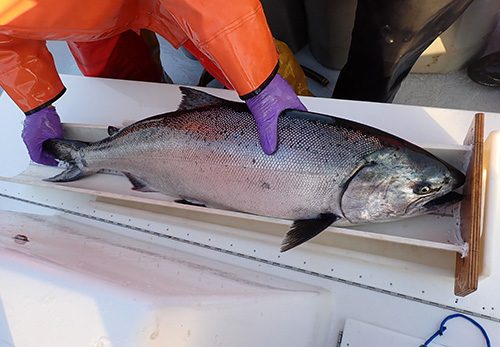
UCSC’s Center for Coastal Climate Resilience awards over $4.6 million to support California coastal projects
The UCSC Center for Coastal Climate Resilience has awarded over $4.6 million in funding to 23 UC Santa Cruz research groups for pilot projects and implementation projects supporting efforts to fight climate change in coastal communities across California and beyond. Funds for these grant programs came from the California State Budget Act of 2022-23.
-
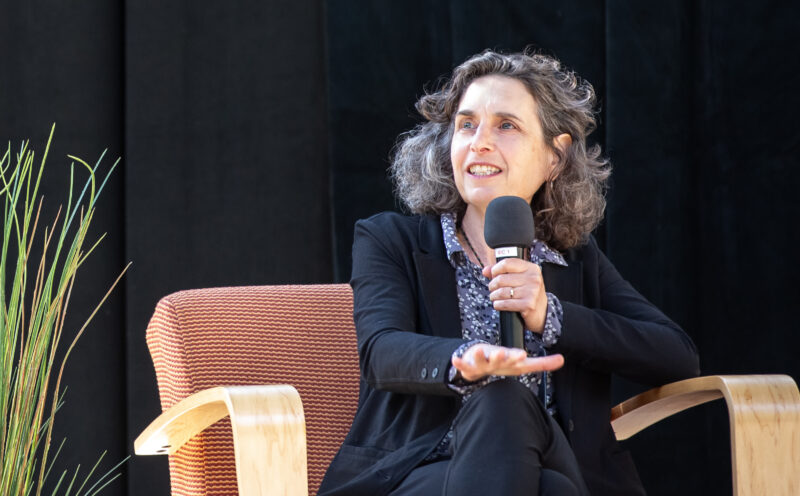
Pulitzer Prize-winning climate journalist Elizabeth Kolbert warns of the complications, perils, and potentials of environmental interventions at Deep Read talk on campus
In her on on-stage discussion with New York Times columnist, podcaster and UCSC alumna Ezra Klein, Elizabeth Kolbert spoke about the efforts to roll back the effects of climate change. The talk was part of The Humanities Institute’s fourth annual Deep Read series.
-
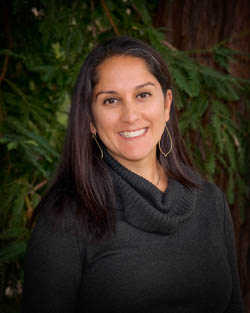
UCSC environmental governance expert named to NASEM committee addressing methane gas emissions
Environmental Studies Professor Sikina Jinnah has been appointed as a member of the National Academy of Sciences, Engineering, and Medicine (NASEM) Committee for Atmospheric Methane Removal to assess viable technological options for reducing a powerful greenhouse gas.
-
This technology could alter the entire planet. These groups want every nation to have a say.
Environmental Studies Professor Sikina Jinnah spoke with MIT Technology Review about her work on environmental justice in solar geoengineering research and governance.
-
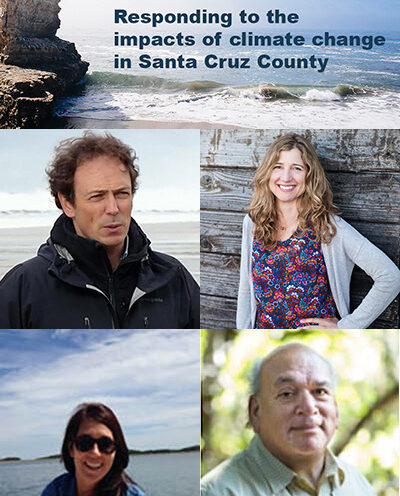
Annual Confronting Climate Change Conference focuses on local impacts and solutions
UC Santa Cruz offers a weekend of free events at the Seymour Center to spark conversation and inspire action.
-
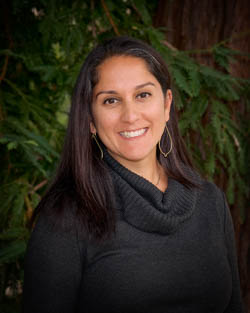
Environmental governance expert Sikina Jinnah appointed to Harvard University’s SCoPEx advisory committee
Jinnah was appointed to an independent advisory committee that will make governance recommendations for a proposed experiment intended build understanding of the potential efficacy and risks of stratospheric aerosols relevant to solar geoengineering.
-
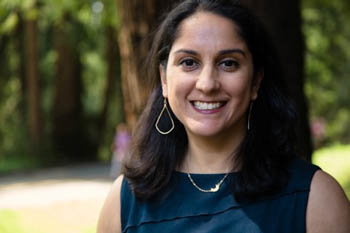
Shedding light on one of environmental policy’s most under-the-radar strategies
Associate professor of environmental studies Sikina Jinnah studies the environmental provisions contained within trade agreements and wants to help policymakers better navigate this space.
-
Climate engineering: International meeting reveals tensions
At this point, the greatest danger of climate engineering may be how little is known about where countries stand on these potentially planet-altering technologies. Who is moving forward? Who is funding research? And who is being left out of the conversation?