BE-healthwellbeing
-
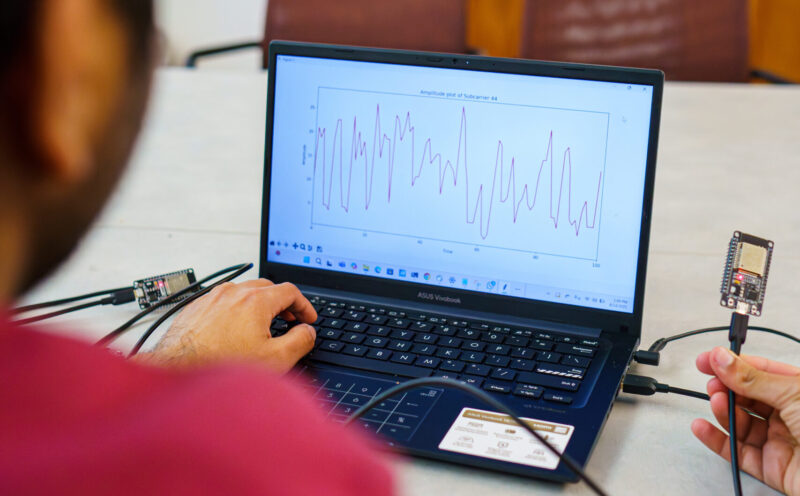
WiFi signals can measure heart rate—no wearables needed
Engineers prove their technique is effective even with the lowest-cost WiFi devices
-
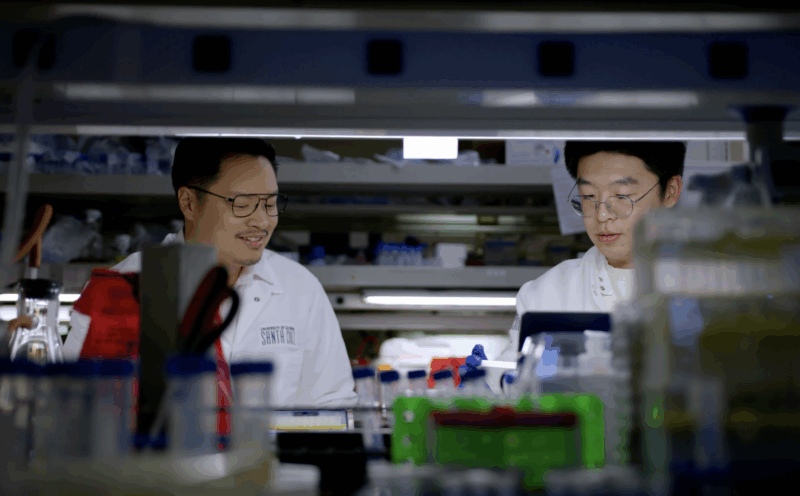
Artificial biosensor can better measure the body’s main stress hormone
This research paves the way for point-of-care cortisol testing and diagnoses.
-

New software promises to make precision genome editing with CRISPR accessible to more researchers
Integration into widely used UCSC Genome Browser makes tool available to entire life-sciences community
-
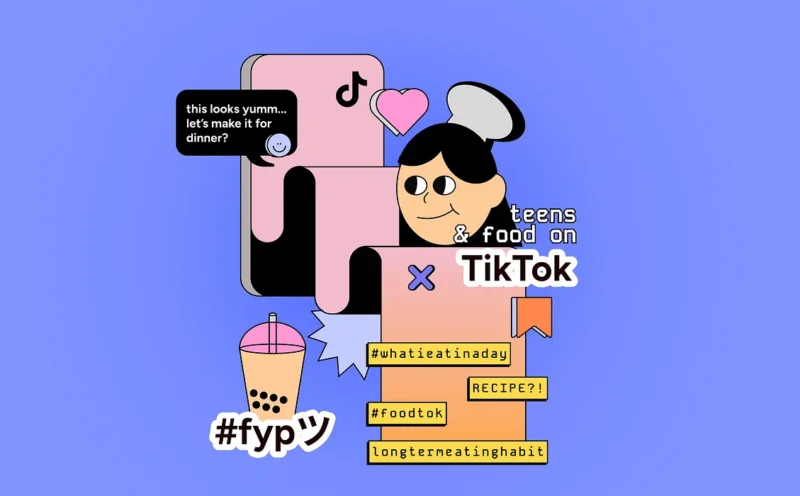
A fresh look at TikTok: short food videos encourage long-term healthy eating habits in teens
Research from UC Santa Cruz human-computer interactions scholars is revealing how online habits translate into offline actions
-
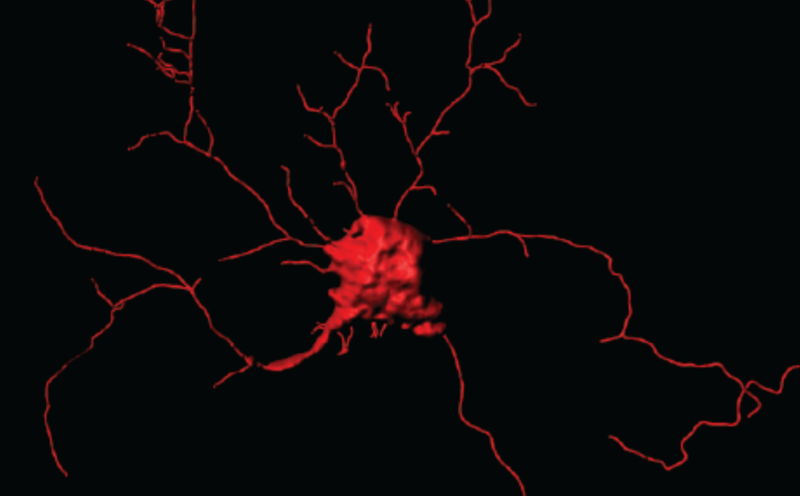
Brain cells are more plastic than previously thought, study shows
Using in-vitro models of a specific type of brain cell, scientists show that neurons are capable of changing from one type to another
-

Scientists program stem cells to mimic first days of embryonic development
Their “programmable” embryo-like structures, also known as embryoids, can be used to study the role of certain genes in early development
-

AI chatbots perpetuate biases when performing empathy, study finds
A new study explores how GPT-4o, the latest model from OpenAI, evaluates and performs empathy compared to humans, and finds major gaps exist.
-
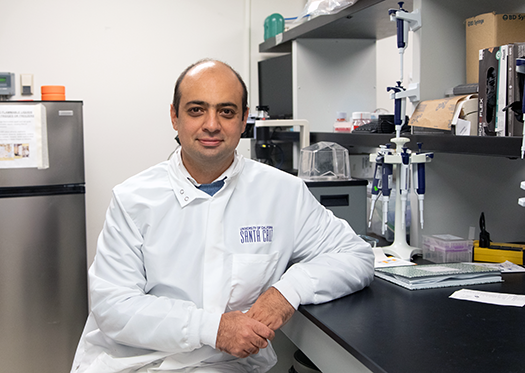
New grant funds effort to uncover therapeutic targets for neuropsychiatric disorders
A $10.3 million grant from the California Institute for Regenerative Medicine (CIRM), the state’s stem cell agency, will fund a multi-UC effort to better understand neuropsychiatric disorders.
-
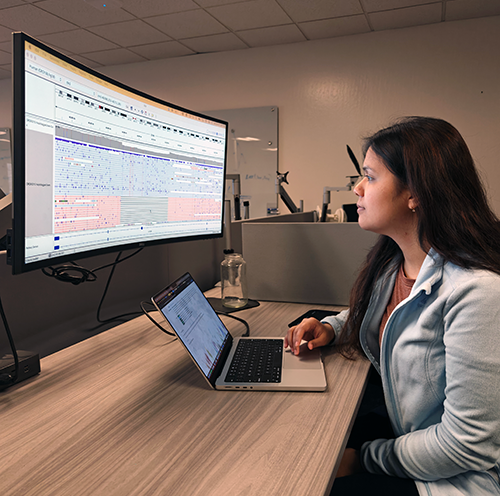
Long read sequencing reveals more genetic information while cutting time and cost of rare disease diagnoses
A new study shows that long-read sequencing has the potential to improve the rate of diagnosis while reducing the time to diagnosis from years to days — in a single test and at a much lower cost.
-

2024 iGEM team’s foundational science project tackles infant formula affordability
The 2024 UC Santa Cruz iGEM team won a silver medal at the international Jamboree for a project focused on addressing the high cost of infant formula through a foundational synthetic biology approach.
-
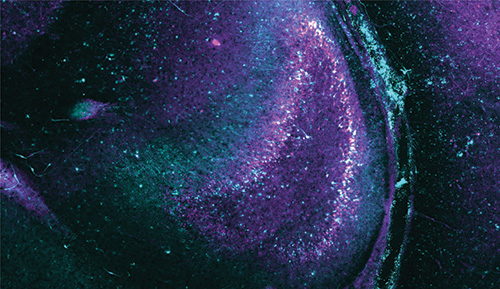
How optogenetics can put the brakes on epilepsy seizures
In what could one day become a new treatment for epilepsy, researchers at UC San Francisco, UC Santa Cruz, and UC Berkeley have used pulses of light to prevent seizure-like activity in neurons.
-
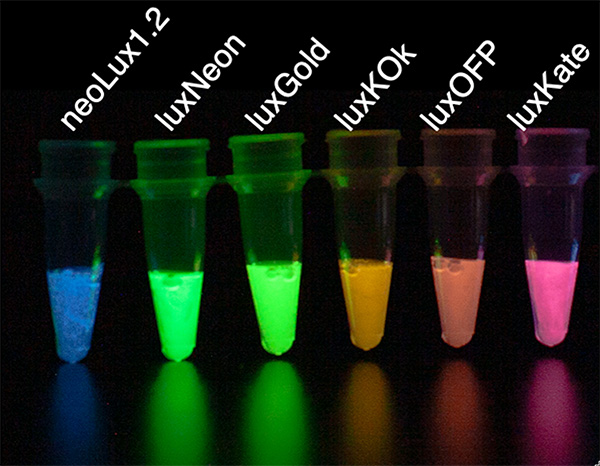
Bioluminescent proteins made from scratch enable non-invasive, multi-functional biological imaging
Assistant Professor of Biomolecular Engineering Andy Yeh is designing completely artificial proteins that produce bioluminescence to serve as a non-invasive method for bioimaging, diagnostics, drug discovery, and more.