BE-virtualenvironments
-
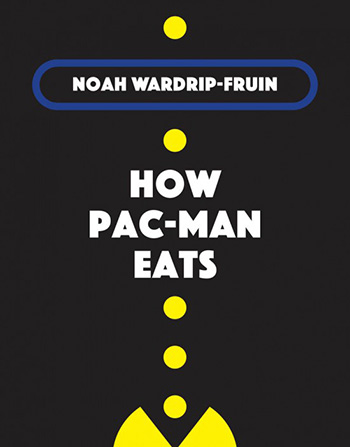
‘How Pac-Man Eats’ explores how games work and how they can create meaning
In a new book, Computational Media Professor Noah Wardrip-Fruin shows how the fundamental mechanics of games shape their capacity to address important topics.
-

Smile Train partners with UC Santa Cruz researchers on speech therapy game
Designed to support speech therapy for children after reconstructive surgery for cleft lip and cleft palate, SpokeIt uses game play to make speech therapy fun.
-
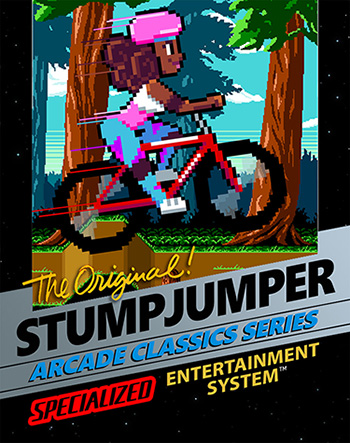
Student team creates Stumpjumper videogame for Specialized bicycle company
‘Stumpjumper: The Videogame’, developed by a team of UCSC game design students, was released October 11.
-
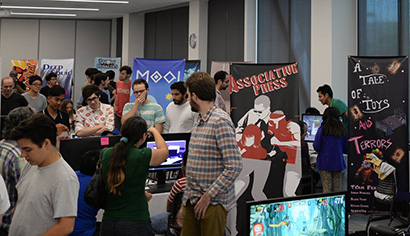
Sammy Showcase features VR and video games from UCSC game design students
The public is invited to a fun, family-friendly game festival on Saturday, June 9, at the UC Santa Cruz Silicon Valley Campus in Santa Clara.
-
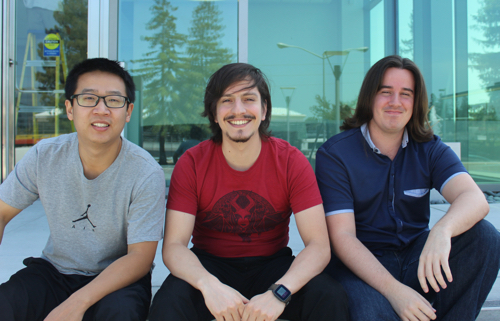
Alums launch video game based on ancient Mesoamerican myth
“Ulama: Arena of the Gods,” a collaboration from three Games and Playable Media alums, launched March 28 on the Steam platform.
-

GameSpace offers a playable visualization of 16,000 videogames
UCSC researchers developed the game as a tool to help people find information about videogames.
-

Games researcher Katherine Isbister honored by Association for Computing Machinery
Professor of computational media Katherine Isbister has been recognized by the ACM as a distinguished scientist.
-

UC Santa Cruz student games win awards at IndieCade
Two games developed by UC Santa Cruz students won awards at the 2016 IndieCade International Festival of Independent Games.
-
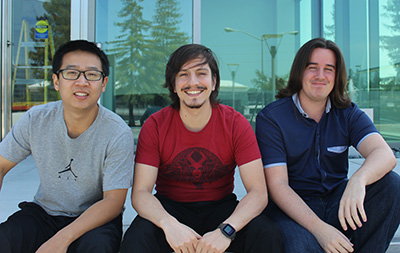
UC Santa Cruz team wins game design competition at E3 event
A team of students in the Games and Playable Media master’s program won the Social Connection GameJam competition.
-
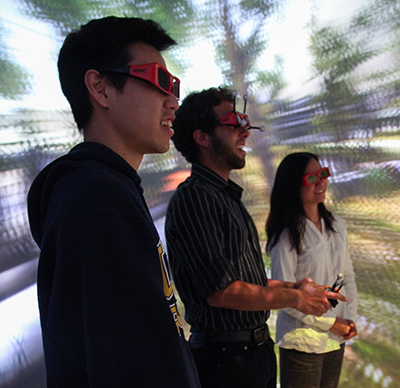
‘CAVE Lab’ offers immersive virtual reality tools for research and teaching
A new multi-disciplinary facility featuring interactive 3-D visualization technology is available to researchers across campus.
-
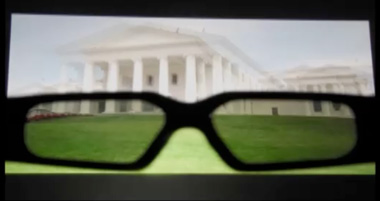
UCSC researchers develop 3D display with no ghosting for viewers without glasses
3D+2D TV allows viewers with stereo glasses to see 3D images, while viewers without the glasses see a normal 2D image.
-

Crossing the boundaries of media-focused computer science, digital humanities and arts
Interaction between media-focused computer science, the digital humanities and digital arts have the potential to drive major progress in interactive media creation and understanding.