Genomics Institute
-

Reimagined undergrad class teaches students entire DNA sequencing process using cutting-edge devices
A biomolecular engineering course has recently been redesigned to give students experience with the entire process of DNA sequencing, from sampling to data analysis, using the latest nanopore devices from Oxford Nanopore Technologies.
-
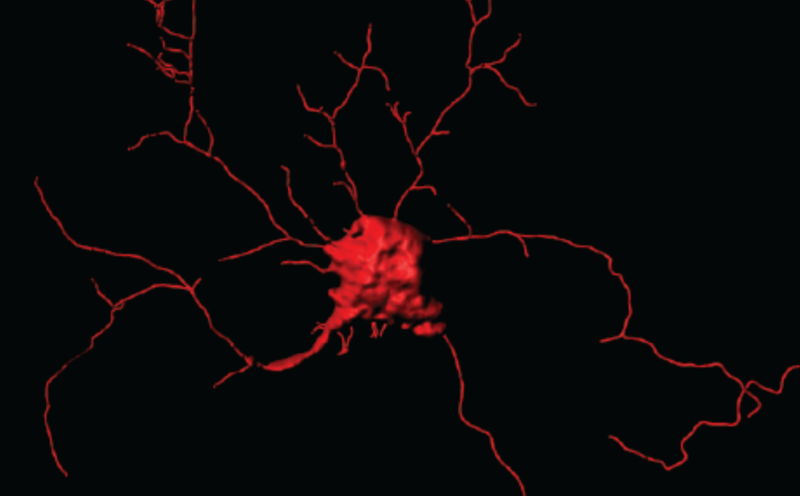
Brain cells are more plastic than previously thought, study shows
Using in-vitro models of a specific type of brain cell, scientists show that neurons are capable of changing from one type to another
-
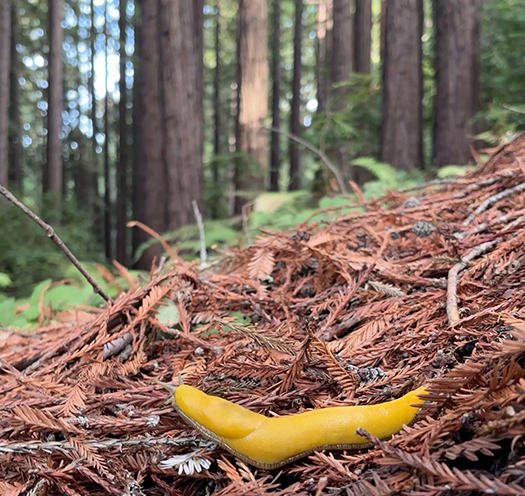
UC Santa Cruz scientists slither into the history books with first complete genome of a banana slug
Not only is the banana slug the endearing mascot for UC Santa Cruz — making the project fitting for campus researchers — but the slugs’ unique slime was a particularly challenging undertaking for UCSC’s experts in genomics.
-

Long read sequencing reveals more genetic information while cutting time and cost of rare disease diagnoses
A new study shows that long-read sequencing has the potential to improve the rate of diagnosis while reducing the time to diagnosis from years to days — in a single test and at a much lower cost.
-
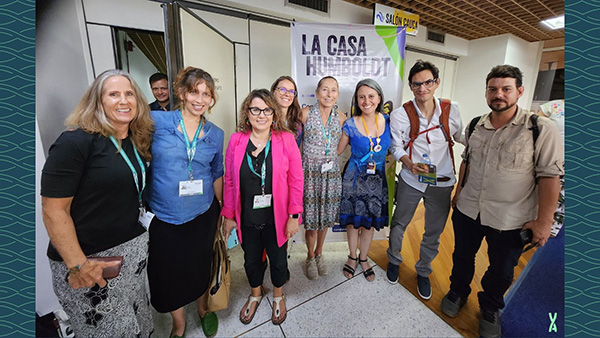
Genomics Institute faculty and staff help create non-profit to center Indigenous Knowledge while accelerating conservation genomics research
Several current and former UC Santa Cruz faculty and staff have joined with leading experts in the field of conservation genomics to launch Wise Ancestors, a non-profit centering Indigenous Peoples and Local Communities as co-creators of biodiversity conservation projects
-

How optogenetics can put the brakes on epilepsy seizures
In what could one day become a new treatment for epilepsy, researchers at UC San Francisco, UC Santa Cruz, and UC Berkeley have used pulses of light to prevent seizure-like activity in neurons.
-

Engineers awarded CDC contract to build pathogen-tracing public health tools
The CDC has awarded Corbett-Detig and his team at the UCSC Genomics Institute a two-year, $2.52 million contract to continue their work tracking the COVID-19 virus’s evolution and expand their software tools to track other pathogens.
-

Genomics Institute provides seed funds for six multidisciplinary projects
The Genomics Institute has awarded grants of up to $50,000 to six multidisciplinary research projects in the inaugural year of its seed funding program
-

Successful conservation genomics pilot sets the stage to sequence European biodiversity
UC Santa Cruz Assistant Research Scientist Ann Mc Cartney is part of a group of scientists who released a new paper outlining their efforts to promote an inclusive, decentralized and equitable model for the future of large-scale conservation genomics
-
Genomics Institute’s Research Mentoring Internship recognized with ‘Inspiring Programs in STEM’ award
The UC Santa Cruz Genomics Institute’s Research Mentoring Internship program was recognized with the ‘Inspiring Programs in STEM’ award from Insight Into Diversity magazine.
-

Scientists find that small regions of the brain can take micro-naps while the rest of the brain is awake and vice versa
For the first time, scientists have found that sleep can be detected by patterns of neuronal activity just milliseconds long
-

Research on understudied lung cancer drivers may improve treatments
Angela Brooks has been awarded a $2.5 million grant from the National Institutes of Health’s prestigious R01 program to study how gene isoforms impact cancer progression and what treatments might be most effective or lead to drug resistance.