Research
-

Researchers to measure atmospheric benefits of restored San Francisco Bay wetland
UC Santa Cruz will lend expertise in monitoring tidal marsh carbon levels once a 275-acre South Bay salt pond is converted back to its natural state, as part of a larger environmental campaign by multiple partners to restore lost tidal wetlands to San Francisco Bay.
-

DESI completes largest high-resolution 3D map of universe to date
The Dark Energy Spectroscopic Instrument (DESI) has completed its originally planned five-year mission and mapped more than 47 million galaxies and quasars, and will continue observations into 2028 and further expand the map.
-

Incoming: New fellow will probe moon’s magnetic past for clues about its formation and interior
51 Pegasi b Fellow Sarah Steele will spend three years at UC Santa Cruz working with Earth and planetary scientists to advance her work to decode ancient magnetic records preserved in rocks
-
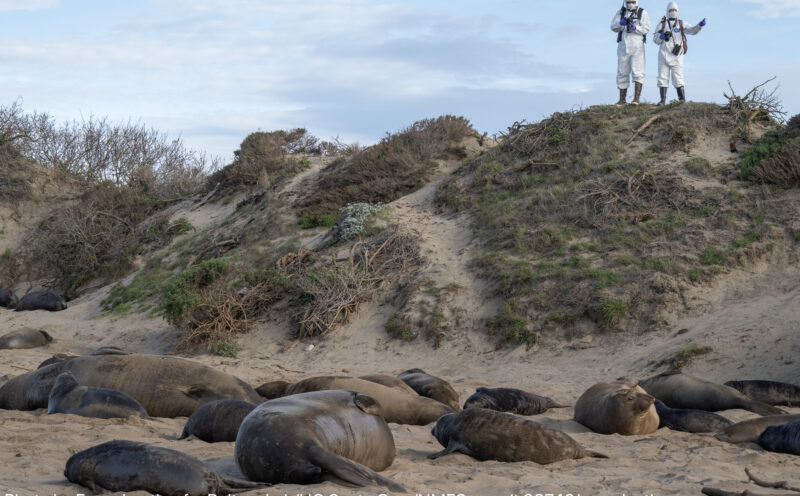
UC Santa Cruz’s deep expertise with elephant seals vital to avian influenza monitoring
Well-trained students and scientists are the boots on the beach collecting the samples and observations needed to help a statewide collaboration of responders monitor the recent outbreak
-
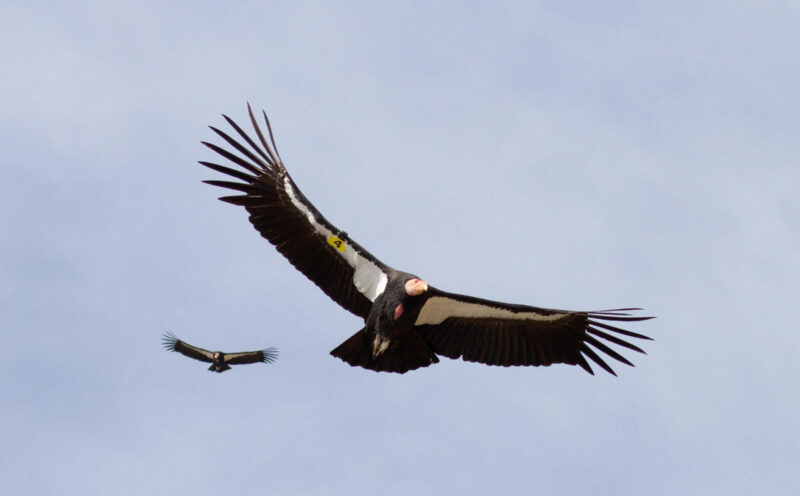
An adventurous vulture’s plight
Disturbing increases in toxic lead exposure are linked to wider foraging by the critically endangered California condor and more wild pigs being shot throughout the state, masking positive effects of outreach and lead-ammo bans
-

Father’s tobacco use may raise children’s diabetes risk
Mouse study finds link between father’s nicotine exposure and offspring’s metabolism
-
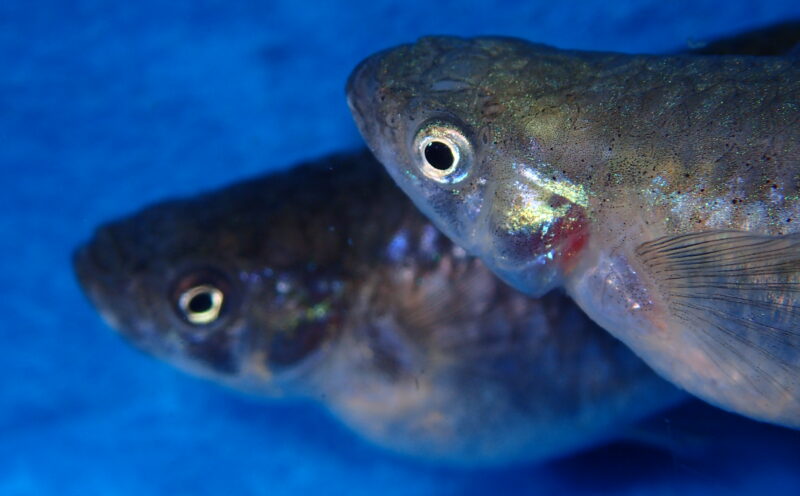
Does sexual harassment behavior matter for ecosystems?
Intense harassment of females by male mosquitofish increases the ecosystem consequences of this highly invasive fish
-

Supposedly harmless peptide may be linked to Alzheimer’s disease
New paper from UC Santa Cruz chemistry lab argues that efforts to develop treatments for Alzheimer’s should stop ignoring a short protein called P3, the ‘neglected cousin’ of amyloid beta
-
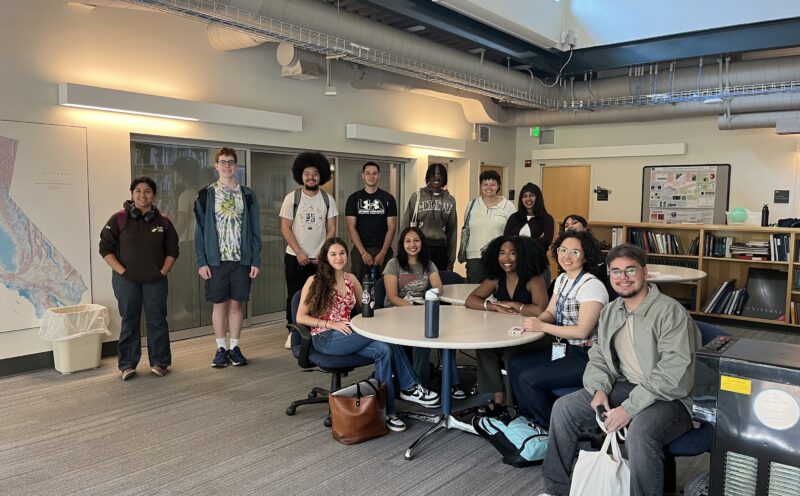
Eighteen years of mobilizing marginalized students, making science more innovative
Review in Nature Astronomy highlights how UC Santa Cruz’s Lamat Institute leverages cultural strengths through tailored experiences, raises awareness of systemic barriers, and builds culturally validating communities
-
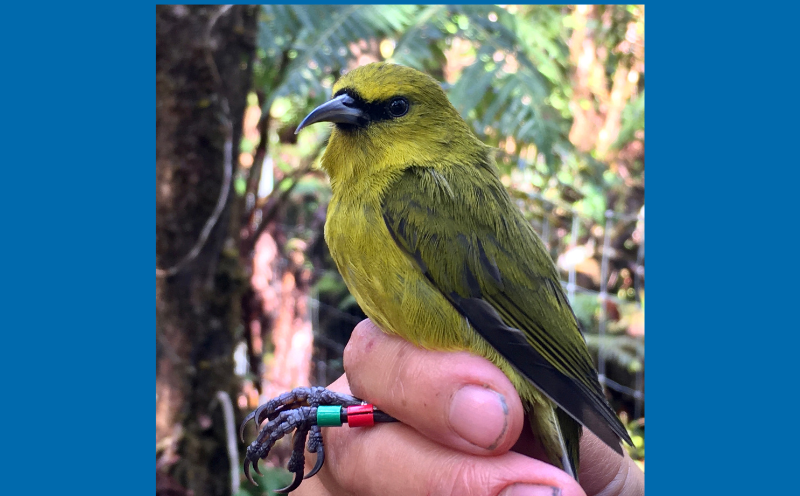
New study on avian malaria finds most of Hawaii’s birds contribute to deadly pathogen’s transmission
Research led by UC Santa Cruz finds that both non-native and native birds play a key role in the transmission of a disease that has contributed to the extinction of over a dozen species of Hawaii’s native birds
-
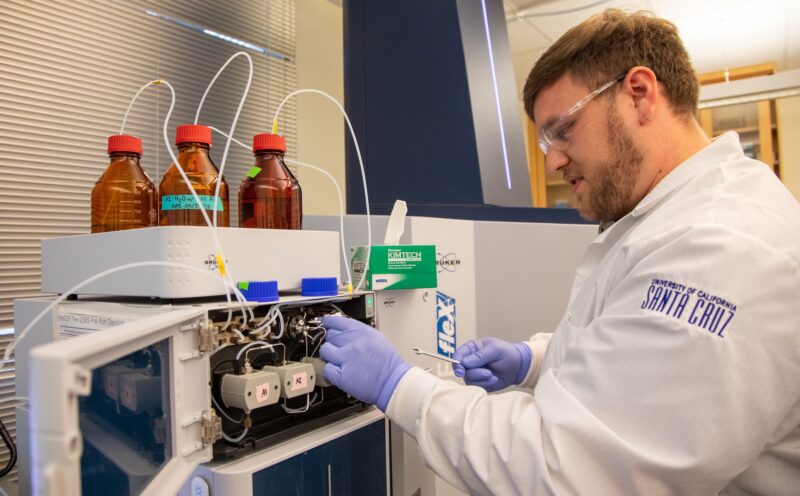
Biochemists establish new method for identifying pharmaceutical candidates faster
UC Santa Cruz team achieves synthesis of beneficial neurochemical in just two steps, promising to break a bottleneck in drug development
-
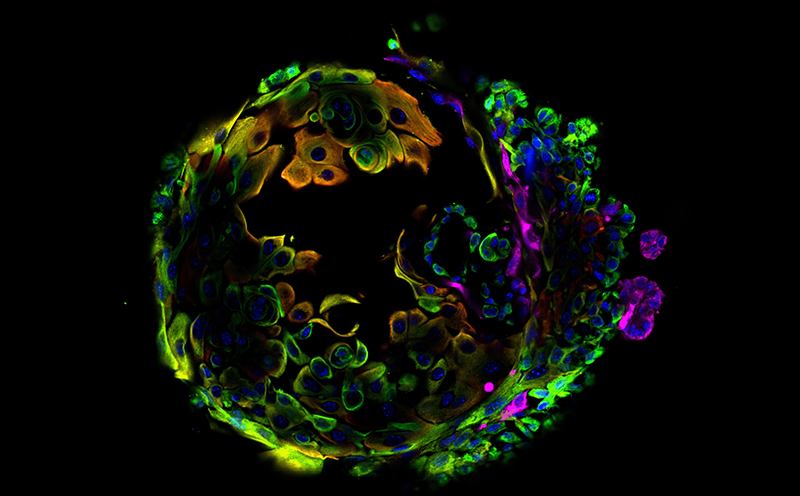
How early pregnancy impacts aging: implications for breast-cancer risk
New study by UC Santa Cruz team discovers that early pregnancy in mice reduces buildup of ‘confused’ cells that could lead to breast cancer later in life