Research
-

Beach season is here—just not for everyone
Marine and social scientists at UC Santa Cruz explain why privileged people enjoy more recreational, economic, and emotional benefits of the ocean than underresourced groups, and offer holistic remedies
-
La temporada de playa ya está aquí—pero no para todos
Científicos marinos y sociales de la UC Santa Cruz explican por qué las personas privilegiadas disfrutan de más beneficios recreativos, económicos y emocionales del océano que los grupos con menos recursos, y ofrecen soluciones holísticas
-
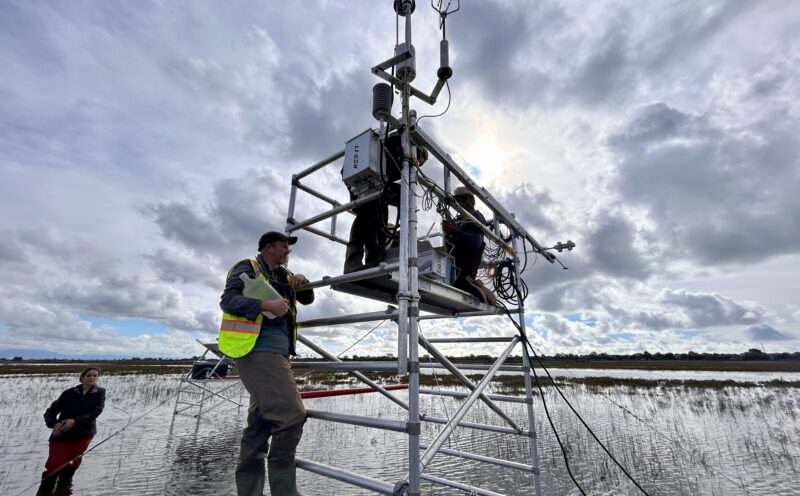
UC Santa Cruz team helps state better understand how wetlands sequester carbon and improve air quality
Atmosphere-monitoring towers operated by the Paytan Lab will tell the tale of two very different Southern California wetlands over the next two years
-
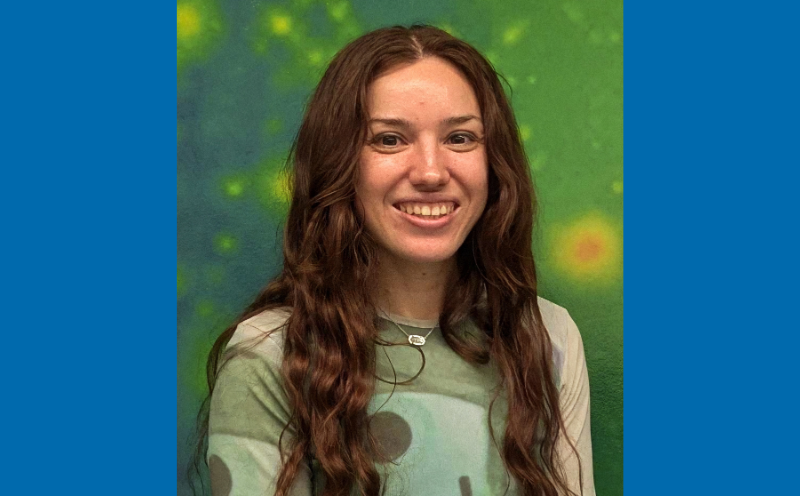
Postdoctoral researcher to develop instrumentation to detect distant protoplanets
Supported by the new Astronova Fellowship program, Christina Vides will advance her research in a technique that sharpens the images from astronomical telescopes in order to detect faint planets in the glare of their bright host stars
-
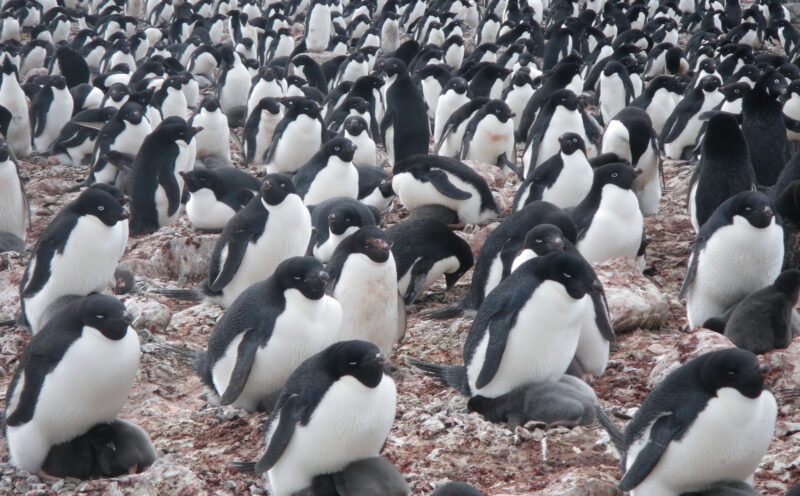
The color of penguin poo: Satellites reveal the chilling truth of global warming’s impact on an iconic polar species
Scientists study poop patterns of Adélie penguin colonies across all of Antarctica over a 30-year span using Landsat satellite images, a first for capturing food-web and population trends at continental and decadal scales relative to climate change
-
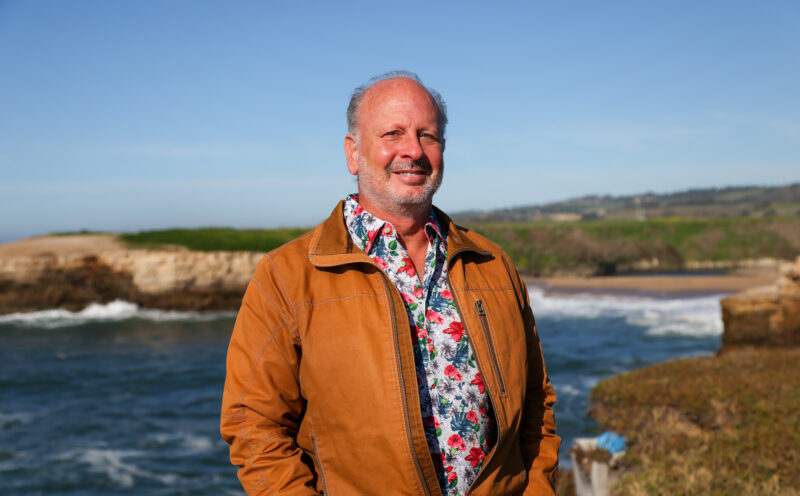
Mike Beck appointed to California Ocean Science Trust’s board of trustees
State Secretary for Natural Resources named Beck and Cal Poly Humboldt’s Eric Riggs to serve on the unique science-policy bridging organization’s board, citing their distinguished leadership and deep expertise in coastal climate resilience and marine STEM education.
-

Team builds best-performing detection system for next-generation accelerators
At the high beam-repetition rates of advanced accelerators, eventually reaching beyond one billion times per second, existing detection systems that are critical for ensuring precise measurements fail
-
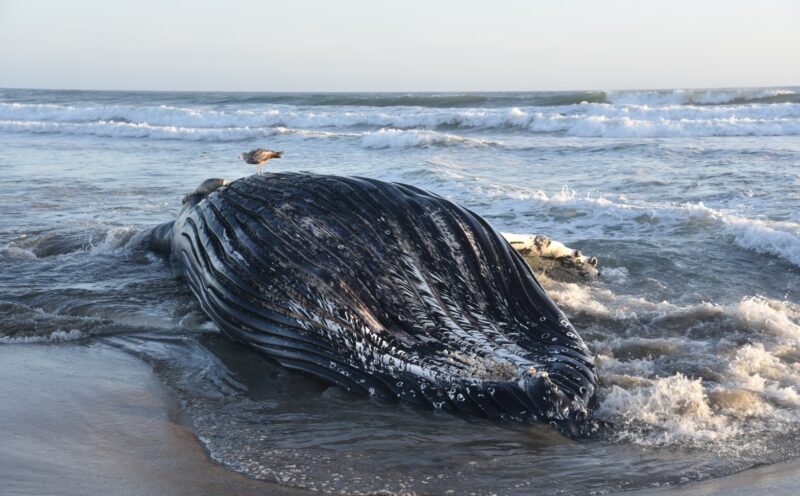
Toxic algal blooms linked to deaths of recently stranded humpback whales
Lab tests conducted at UC Santa Cruz of samples taken from the two carcasses found domoic acid, the biotoxin that causes neurological impairment, seizures, and death in marine mammals.
-
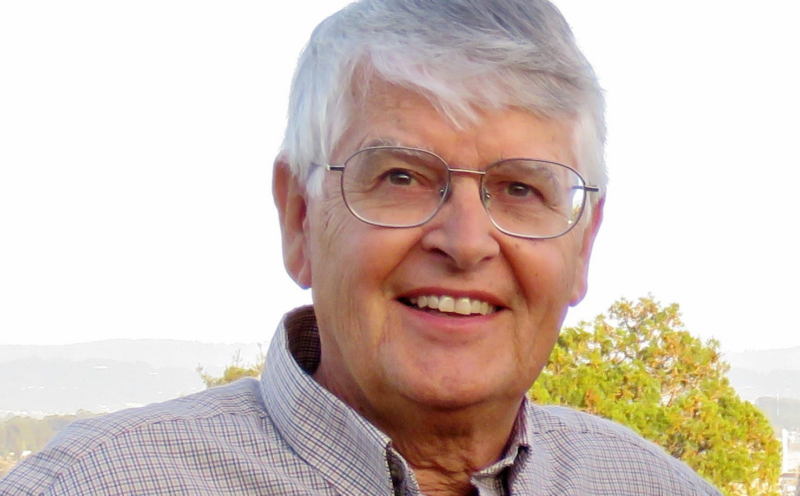
In Memoriam: Barry Bowman
For nearly 40 years, Barry Bowman and his wife, Emma Jean (Rusty) Bowman, worked side by side in UC Santa Cruz’s Sinsheimer Laboratories, conducting research to build our understanding of a part of the cell called the vacuole.
-
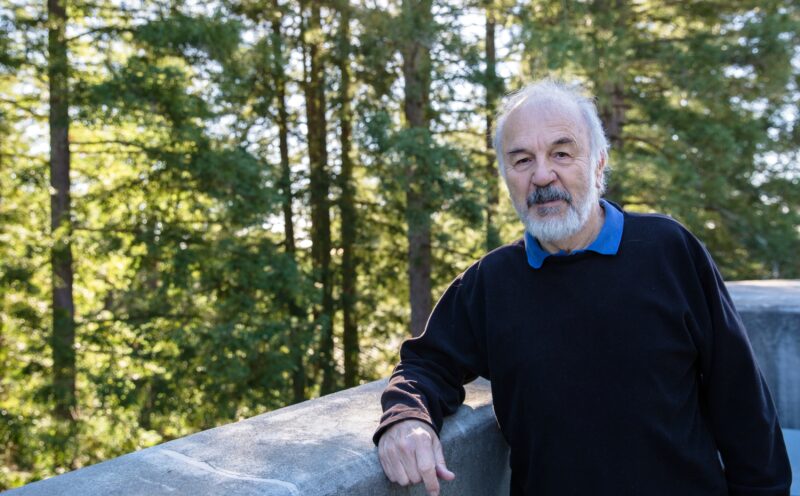
RNA Center founder Harry Noller cements a legacy of brilliance and creativity
The visionary who discovered that RNA powers the ribosome now turns his focus to his other lifelong loves: his saxophone, vintage cars, and family.
-
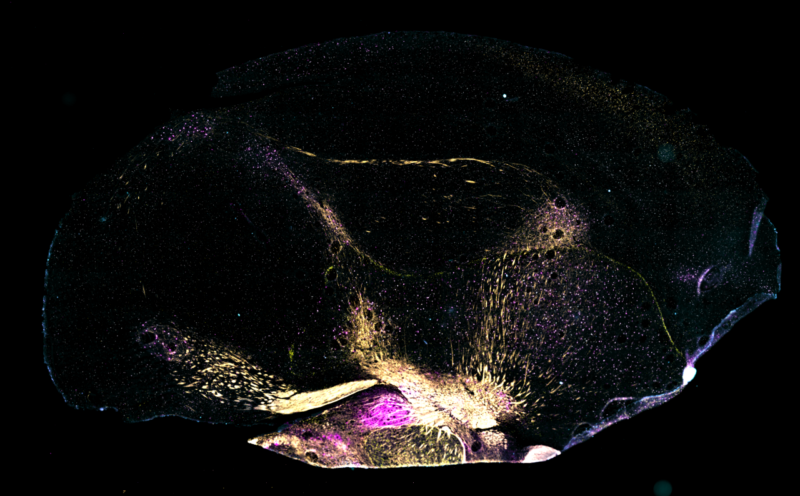
Bradley Colquitt wins McKnight Foundation award to continue neuroscience research
The Colquitt Lab studies neural circuits in songbirds to understand how complex behavior emerges and evolves
-
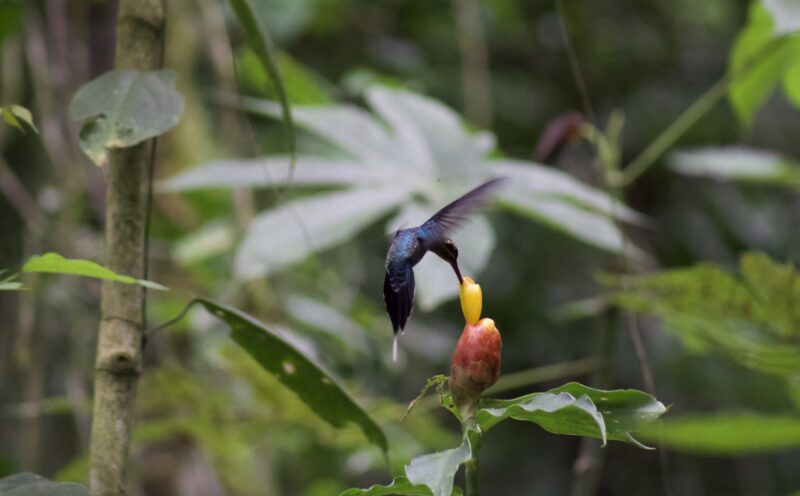
The best pollinators can drive evolutionary changes in flowers, new study finds
Researchers find hummingbirds to be better pollinators of mountain flowers than bees, prompting the plants to adopt traits that favor the fast, feathered carriers over the fuzzy, buzzy ones