Research
-
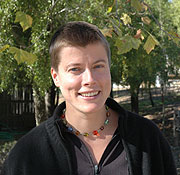
Researchers cite limitations of genetic ancestry tests, urge consumers to use caution
Even as consumers embrace commercial genetic ancestry tests to trace ancestral roots or fill in gaps in the family tree, a team of researchers today (Oct. 19) is urging buyers to use caution when interpreting test results.
-
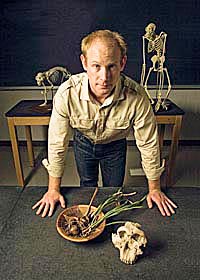
UC Santa Cruz anthropologist Nathaniel Dominy wins prestigious $625,000 Packard Fellowship
Nathaniel J. Dominy, a gifted young anthropologist at UC Santa Cruz, has received a prestigious Packard Fellowship for Science and Engineering from The David and Lucile Packard Foundation, it was announced today (Tuesday, October 9).
-
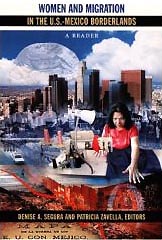
Zavella coedits new book on women and migration
Patricia Zavella, professor of Latin American and Latino studies, has coedited the new book Women and Migration in the U.S.-Mexico Borderlands: A Reader.
-
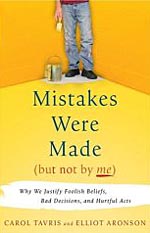
New book Mistakes Were Made (But Not By Me) explains how self-deception dooms marriages, starts wars, and promotes a culture of unaccountability
In the new book Mistakes Were Made (But Not By Me), Elliot Aronson spells out how the psychological mechanism of self-justification puts us on a slippery slope of self-deception that frequently gets us into enormous trouble when we are unable to ac
-
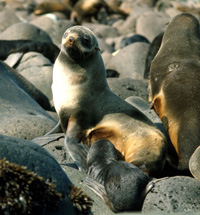
Scientists reconstruct prehistoric behavior and ecology of northern fur seals
A team of researchers has documented major changes in the behavior, ecology, and geographic range of the northern fur seal over the past 1,500 years using a combination of techniques from archaeology, biochemistry, and ecology.
-

UC Santa Cruz research team sheds light on diet of early human ancestors
The diet of early human ancestors probably included bulbs and rhizomes, according to researchers at UC Santa Cruz who have shed new light on a conundrum that has puzzled anthropologists for eight years.
-

Climate change could usher in “boom and bust” population cycles and make species prone to extinction, says UC Santa Cruz conservation biologist
Climate change could trigger “boom and bust” population cycles that make animal species more vulnerable to extinction, according to Christopher C. Wilmers, an assistant professor of environmental studies at the University of California, Santa Cruz.
-
First systematic test finds plant pathogens spread to distant relatives far more readily than thought
SANTA CRUZ, CA–The first systematic test of how widely pathogens can spread among distantly related plants reveals far greater range than conventional wisdom would suggest, raising questions about the adequacy of current regulatory approaches for plant q
-

Sexualization of girls is linked to common mental health problems in girls and women, says APA task force chaired by UC Santa Cruz professor
A report of the American Psychological Association (APA) released today (Monday, February 19) found evidence that the proliferation of sexualized images of girls and young women in advertising, merchandising, and media is harmful to girls’ self-image and
-
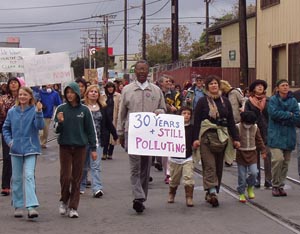
SF Bay Area’s poor and minorities face disproportionate burden of exposure to environmental hazards
From African American residents of West Oakland’s diesel-choked neighborhoods to Latinos in San Francisco’s traffic-snarled Mission District, poor and minority residents of the San Francisco Bay Area get more than their share of exposure to air pollution