
Health
-
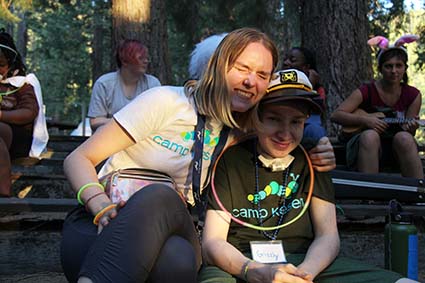
A childhood cancer survivor becomes a cancer researcher
This summer, 15-year-old Robert McCabe helped to sequence and analyze a tumor sample in the lab of the UC Santa Cruz Treehouse Childhood Cancer Initiative.
-

St. Baldrick’s Foundation grant will expand pediatric cancer research at UCSC
A new $100,000 grant from the St. Baldrick’s Foundation will provide UC Santa Cruz’s Treehouse Childhood Cancer Initiative funding to expand efforts to study rare pediatric cancers.
-
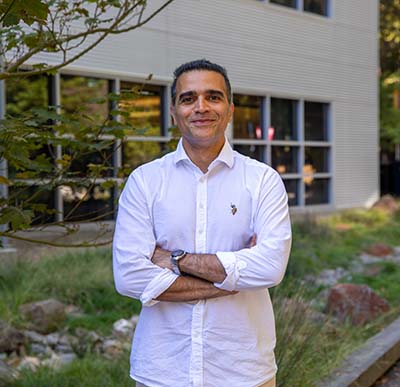
Novel deep learning-based software detects and tracks individual cells with high precision
Assistant Professor of Biomolecular Engineering Ali Shariati and doctoral student Abolfazl Zarageri together with several student researchers in the Shariati lab have developed and released a new deep learning model called “DeepSea,” one of the only tools with the ability to segment cells, track them and detect their division to follow lineages of cells.
-
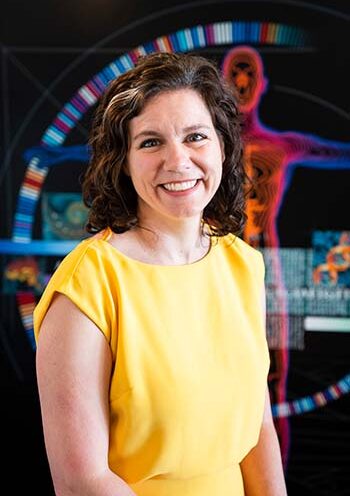
Karen Miga named 2023 Searle Scholar to study uncharted regions of the human genome
Karen Miga, assistant professor of biomolecular engineering at UC Santa Cruz, has been named a 2023 Searle Scholar.
-

Human pangenome reference will enable more complete and equitable understanding of genomic diversity
UC Santa Cruz scientists, along with a consortium of researchers, have released a draft of the first human pangenome—a new, usable reference for genomics that combines the genetic information of 47 individuals from different ancestral backgrounds to allow for a deeper, more accurate understanding of worldwide genomic diversity.
-
UC Santa Cruz to lead data collection center for major federal project on genetic underpinnings of neurological conditions
The UC Santa Cruz Genomics Institute will run the Data Coordination Center for the Scalable and Systematic Neurobiology of Psychiatric and Neurodevelopmental Disorder Risk Genes (SSPsyGene) Consortium.
-
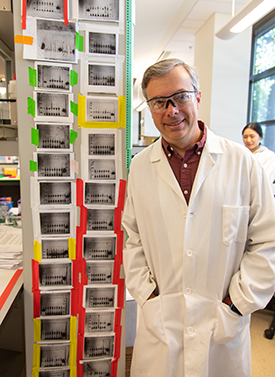
Naming system for transfer RNA fragments will increase research productivity, standardization
UC Santa Cruz Professor of Biomolecular Engineering Todd Lowe and his group created a new naming scheme for tRNA fragments aimed at standardizing research.
-
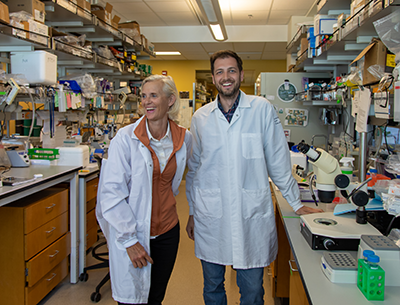
Two major stem cell research projects supported with more than $2.6 million in funding
The California Institute for Regenerative Medicine (CIRM) will provide more than $2.6 million in total funding for two major stem cell research projects led by scientists at UC Santa Cruz, the organization announced.
-
Study presents vision of machine learning leveraged for precision medicine
In a new perspective published in the journal Cell Reports Physical Science, Associate Professor of Applied Mathematics Marcella Gomez details a vision for how the field can move beyond static data to create systems that measure and monitor the real-time responses of the body to a variety of factors and use a machine learning algorithm…
-
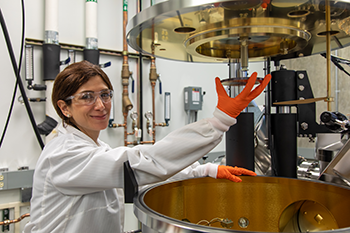
Electrical engineer will develop next-generation x-ray technology for accessible preventative healthcare
Associate Professor of Electrical and Computer Engineering Shiva Abbaszadeh will develop advanced x-ray technology for coronary artery calcification.
-
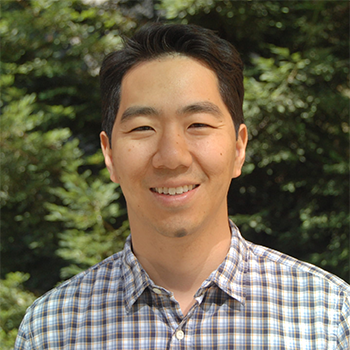
Biomolecular engineering professor wins American Cancer Society award to develop technology for cancer early detection
Assistant Professor of Biomolecular Engineering Daniel Kim won a four-year, $792,000 Research Scholar award from the American Cancer Society to support his work in developing RNA liquid biopsy technology to diagnose cancer early on.
-
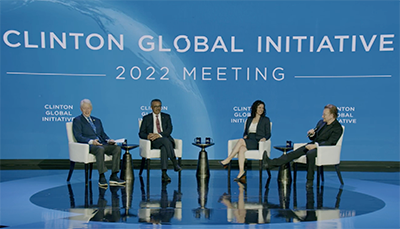
Karen Miga discusses the future of equitable genomics research with Clinton, Bono
UC Santa Cruz Assistant Professor of Biomolecular Engineering and Associate Director for Human Pangenomics at the UCSC Genomics Institute Karen Miga joined former President Bill Clinton, U2 lead singer Bono, and Director-General of the World Health Organization (WHO) Tedros Ghebreyesus to talk about the greatest health challenges and opportunities the world is currently facing.