
Health
-

From concept to commercialization: how UCSC researchers revolutionized DNA sequencing
More than a quarter century since the first patents were filed, the UCSC researchers who pioneered nanopore sequencing reflect on the impact of their invention
-
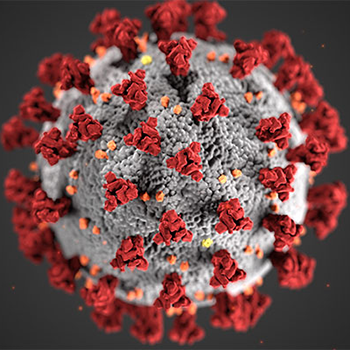
New study shows COVID-19 genomic recombination is uncommon but disproportionately occurs in spike protein region
An analysis of millions of SARS-CoV-2 genomes finds that recombination of the virus is uncommon, but when it occurs, it is most often in the spike protein region, the area which allows the virus to attach to and infect host cells.
-

Hallmark cancer gene regulates RNA ‘dark matter’
A new study finds that a key genetic mutation that occurs early on in cancer alters RNA “dark matter” and causes the release of previously unknown RNA biomarkers for cancer early detection.
-

Genomics Institute tool becomes primary method to identify lineages of COVID-19 worldwide
As COVID-19 continues to mutate, software developed and maintained at the University of California, Santa Cruz’s Genomics Institute will now be at the core of the primary tool used by health officials worldwide to track the spread of variants in their community.
-
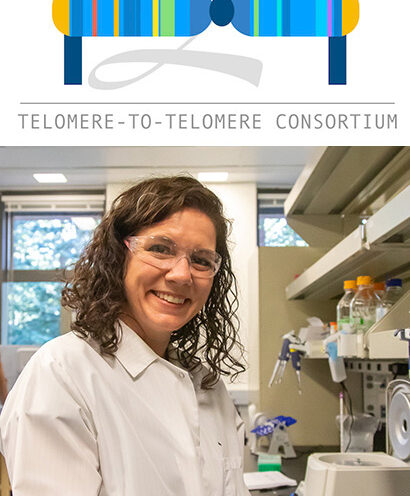
First complete, gapless sequence of a human genome reveals hidden regions
Parts of the human genome now available to study for the first time are important for understanding genetic diseases, human diversity, and evolution.