Student Experience
Don McCormick’s pioneering career took shape at Kresge College
Don McCormick (Kresge ’76, psychology) built a career exploring how people learn and work together. He traces that work back to Kresge’s bold early experiment in community and participatory democracy.
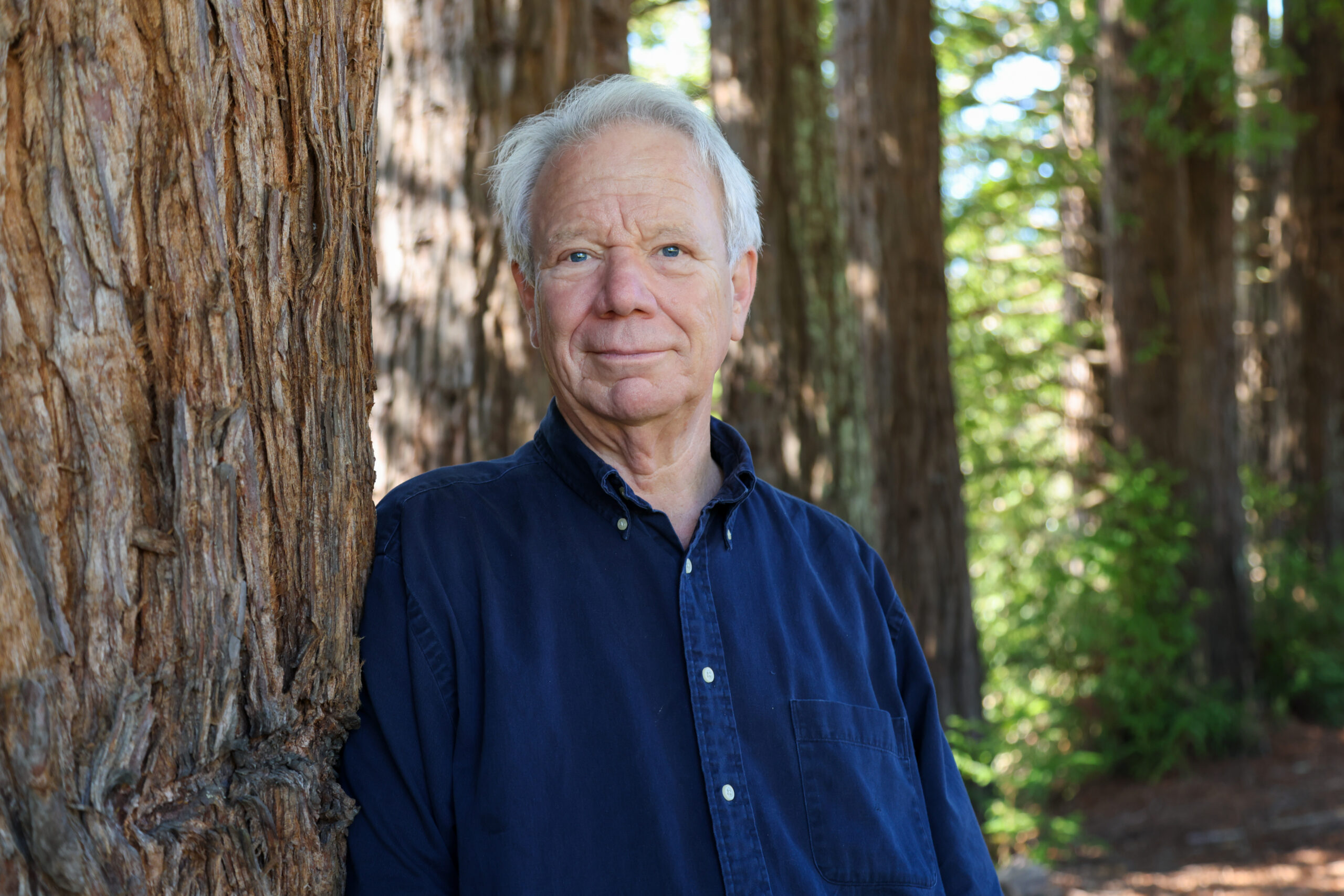
Don McCormick (Kresge ’76, psychology)
Carolyn Lagattuta
In 1972, Don McCormick (Kresge ‘76, psychology) arrived at Kresge College for what he calls a “wild, innovative, subversive, and noble experiment” in higher education. This fall, more than five decades later, he returned to welcome the college’s newest students at Kresge’s opening plenary.
McCormick grew up in Downey, California, and became immersed in the counterculture of the late 1960s, putting on psychedelic light shows for rock bands, organizing student demonstrations, and publishing high school underground newspapers. When he visited UC Santa Cruz and learned about Kresge, he knew right away it was just his kind of place.
Kresge College was built around participatory democracy, with decisions made by consensus, and a community grounded in open and honest communication. Students helped run nearly every part of the college. Most cooked their own food, and some even helped design their own living spaces, called Octets.
“I was sold,” McCormick said. “The vision was just amazing.”
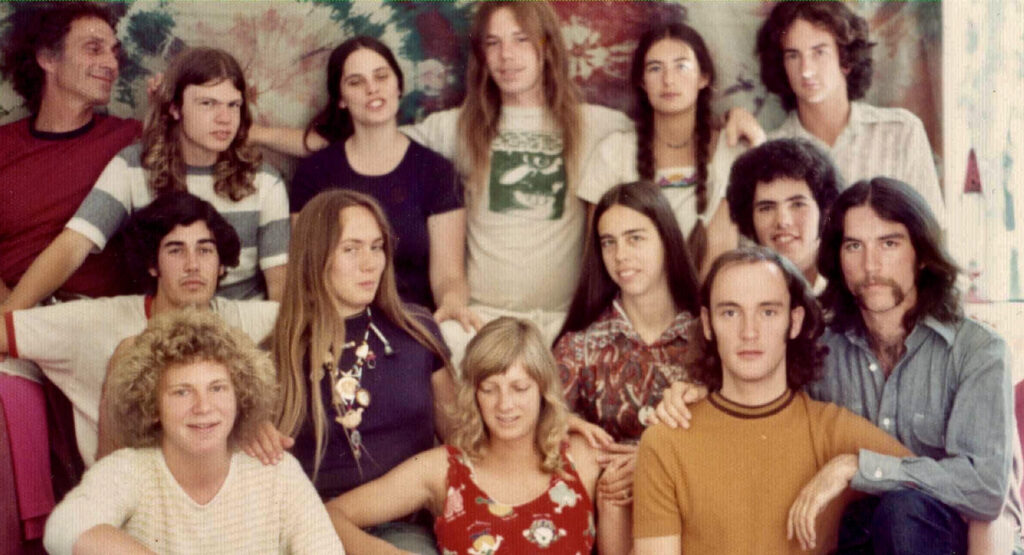
As a student, he studied workers’ control in a political context while experiencing Kresge’s version of participatory democracy firsthand, and his senior thesis explored the connections between the two.
After graduating, McCormick took a job as an orderly at a psychiatric hospital. What he witnessed there disturbed him. With another UC Santa Cruz alumnus and former patients, he helped form a psychiatric patients’ rights group that organized an investigation into what he described as abuses. At 23, he was appointed to the Santa Cruz Mental Health Advisory Board and helped secure funding for a county patient advocate.
Fascinated by the psychological and political dynamics he encountered at Kresge, McCormick earned a Ph.D. in organizational behavior from Case Western Reserve University. He went on to become a professor, teaching and publishing on topics like democratic workplaces and experiential learning. He also worked with organizations such as Kaiser Permanente and the American Red Cross, and received an award from the U.S. Office of Personnel Management for his research on racial and gender conflict at the National Institutes of Health.
In the early 1990s, he became one of the first to teach a course on workplace spirituality, and he later conducted some of the earliest peer-reviewed research on workplace mindfulness. Today, he is director of education at Unified Mindfulness, a role that brings together his longstanding interests in meditation, experiential learning, and teaching.
Speaking to new students, McCormick credited Kresge with shaping that path. “At Kresge, I became a big fan of experiential learning,” he said. But experience alone wasn’t always enough. “Experiential learning is great; it is even better when it comes with relevant knowledge.”
Kresge today is very different from the college McCormick entered in 1972. The Octets are long gone, and he doesn’t miss them. But he still sees the college’s original values reflected in the student-run Kresge Parliament, which is dedicated to participatory democracy, and in the current core course’s emphasis on understanding other people’s perspectives through active, empathic listening.
“Empathy might be the single most important people skill,” said McCormick, who went on to teach it in many of his own courses.
For McCormick, carrying forward that original spirit doesn’t mean recreating the past. It means students taking an active role in building the community they want to be part of. He asked students to imagine the community they’d like to have, then challenged them, “What’s one thing you could do to help make that happen?”