Climate & Sustainability
UC Santa Cruz alumna Molly Armanino weighs 2030 Olympic freeride skiing debut
Molly Armanino (Stevenson ’16, ecology and evolution) is a climate advocate based in South Lake Tahoe, and is the founder of nonprofit Tahoe Climate Change Action Network. Armanino was nominated to join Team U.S.A’s inaugural Freeride Team after winning the 2026 FIS Freeride World Championship.
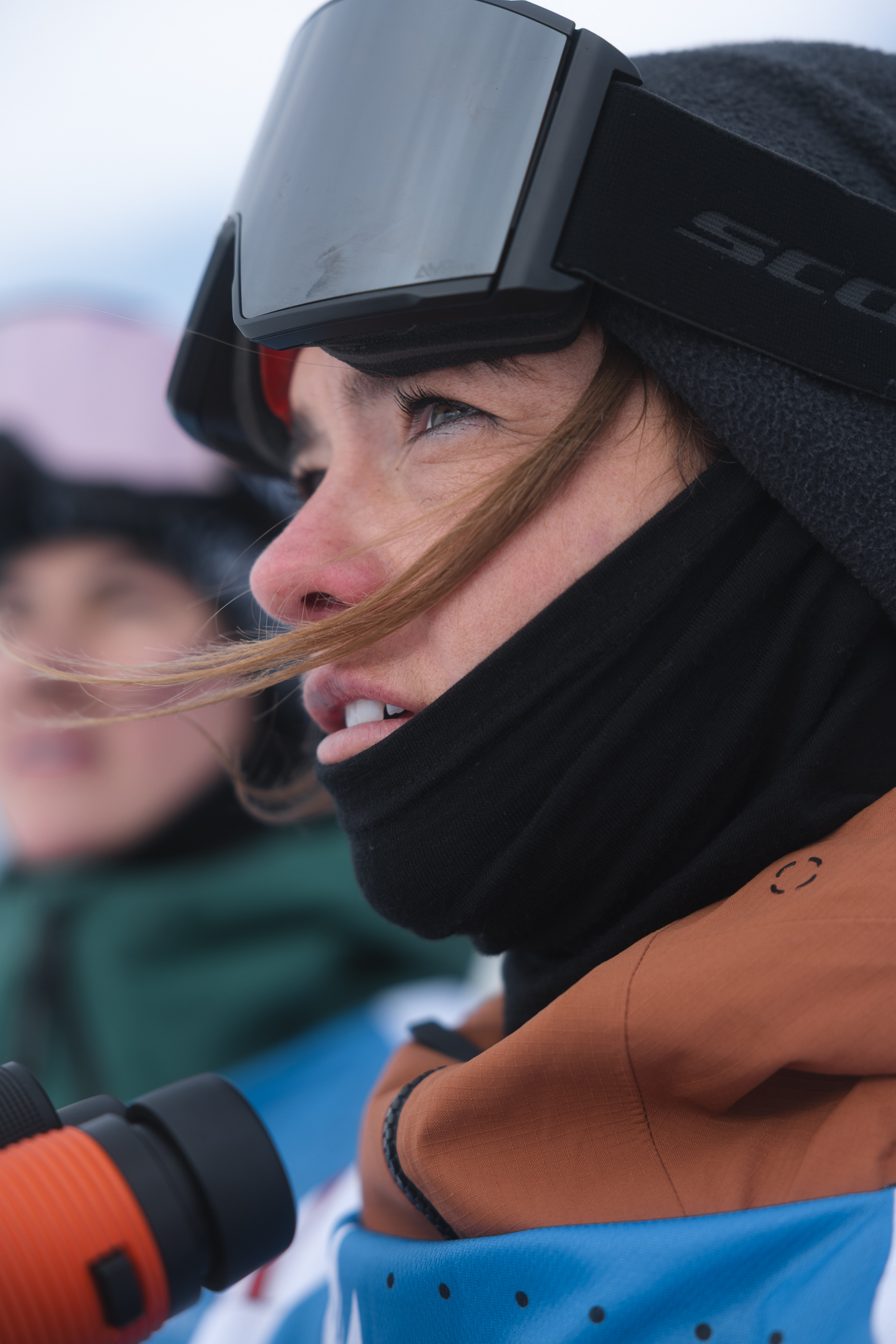
Molly Armanino graduated from the University of California, Santa Cruz, in 2016 with a B.S. in ecology and evolution.
Key takeaways
- Molly Armanino graduated from the University of California, Santa Cruz, in 2016 with a B.S. in ecology and evolution.
- Armanino’s potential spot in the 2030 Olympics is based on her skiing performance over the next three years.
- Amanino has decided to devote the start of the season to her recovery, and continues to lead the charge for 100% renewable energy in South Lake Tahoe through her nonprofit, Tahoe Climate Change Action Network.
- Armanino says it was at UC Santa Cruz that she found her voice in climate and environmental advocacy.
Molly Armanino (Stevenson ’16, ecology and evolution) was planning to quit competing in freeride skiing this year. That was until she was selected to be on Team U.S.A.’s first freeride skiing roster.
Armanino could be one of the first people to represent Team U.S.A. in the newly added freeride skiing competition for the 2030 Winter Olympics, depending on her skiing performance from now to then. But before she can do that, Armanino has decided to devote the start of the 2026-27 ski season to recovering, both mentally and physically.
Going to the Olympics had never been Armanino’s goal. Skiing was an outlet for her to be in the mountains and doing what she loved. Armanino grew up in the Northern California town of Placerville, just outside Lake Tahoe. It was through that setting that she found a love for the outdoors, and specifically conservation and ecology.

Coming to UC Santa Cruz in 2016 gave Armanino both the natural environment she desired as well as the opportunity to study ecology and evolutionary biology. The campus was what led Armanino to her first job working as an operations consultant for an environmental company. Joking that she was “too millennial” for a nine to five, Armanino quit that job to start skiing full time. This change coincided with both the COVID-19 pandemic and the Caldor Fire, which ripped through the Sierra Nevadas, including Placerville and South Lake Tahoe, and burned almost 222,000 acres.
“I had a lot of angst around what we were doing as a local community for climate change. I remember just after the fire, I called into a local city council meeting and asked what their plan was for climate change,” Armanino said. “A lot of the city council members were really empathetic to what I was saying, and they worked with me to make a resolution around going renewable.”
Armanino and a group of her friends advocated for the council to sign a resolution that made it South Lake Tahoe’s goal to attain 100% renewable energy by 2030.
It was through that resolution that Armanino’s nonprofit, Tahoe Climate Change Action Network, was formed. The organization was her way of ensuring that those invested in the city council’s plans for going renewable could stay up to date with their progress and aid in the efforts.
One of the biggest challenges was getting Liberty Utilities, the company that controls most of the utilities in South Lake Tahoe, to work with the council in reaching their renewable energy goals—a battle that is ongoing.
It was in the middle of this battle that Armanino’s younger brother, Sam Armanino, died in an accident caused by the remnants of the Caldor Fire. When Molly was ready to come back to the Tahoe Climate Change Action Network, it was with urgency.
Taking on a corporation requires Armanino to constantly strategize ways to reach her and her organization’s goals, especially now. With the added layer of being a nonprofit, her goal is to get there without taking too much labor from the people around her without sufficient pay in return.
Being in the mountains and freeride skiing for herself was Armanino’s meditation and penance away from juggling local, state, and federal governments and policy. As she started getting more traction in the freeride world tour circuit, winning and placing in more higher-stakes competitions, her love for the sport started to dwindle.
At the start of this year, Armanino broke her tibia and fibula, a mandatory reprieve from competing, but also pausing some of the more creative work she started to do with her freeride skiing prowess.
It was almost a sign for Armanino to quit the competing part. But again, with the nomination, she has some thinking to do. For Armanino, it’s about the simple things: caring for the environment and the people around her. If Armanino is able to take the stage in larger competitions, or even make it to the Olympics, she could have a larger platform to make the change she wants to see.
“There is a connection between enjoying these beautiful alpine places and then loving it in a way that you have compassion and want to make changes for the betterment of these places,” Armanino said. “I think skiing could be a great avenue for persuading that change.”
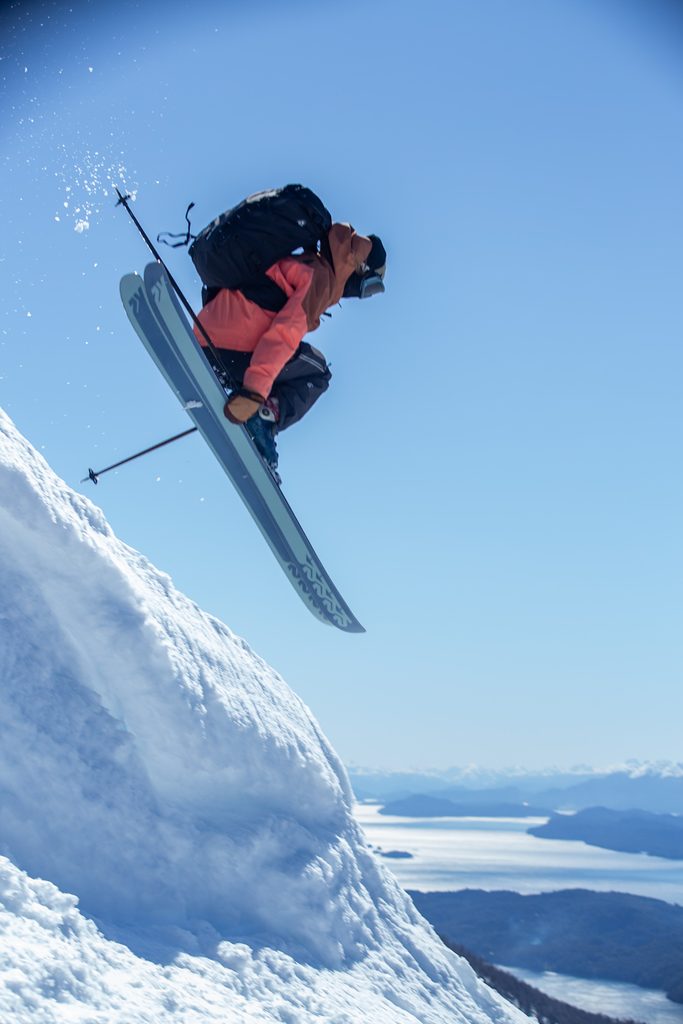
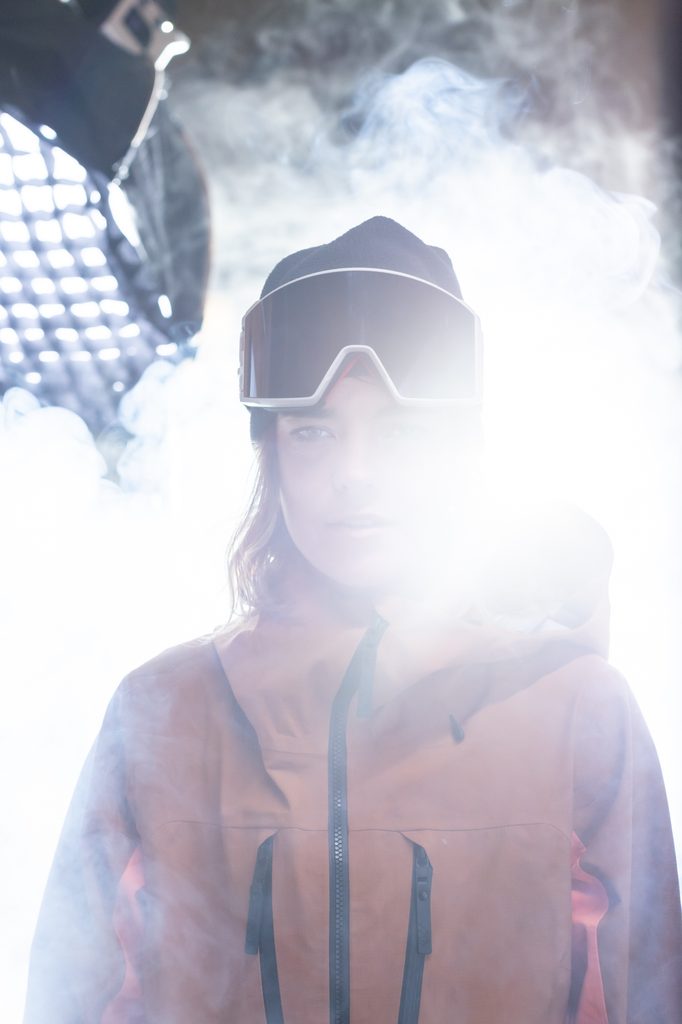
Post-recovery from her injury, Armanino spent some time teaching kids in a backcountry ski camp in Argentina. It was the first time in a while she felt connected to skiing. No agenda, no advertisement, just skiing. Watching her students in their unspoiled wonder about the sport reminded Armanino of her initial curiosity in both the sport and in the advocacy she does for the environment.
It was at UC Santa Cruz that Armanino found her voice in environmental advocacy. She always loved the mountains, and still does. While the work can feel bleak, being around like-minded individuals made her dreams for climate and environmental advocacy feel more attainable. Those fellow Santa Cruzians are now some of her best friends to date.
She recognizes that to be her best self, Armanino will need to spend some time healing herself.
“I want to find a little more wonder, in my world again, it’s something I lost,” Armanino said. “I think it’s going to ultimately help me progress as a skier and also just as a human being. That’s what I’m looking forward to this season.”
So maybe Armanino will compete later this year, and later make it to the Olympics in 2030. Until then, she just might be devising a way to save the world.