
Climate & Sustainability
-
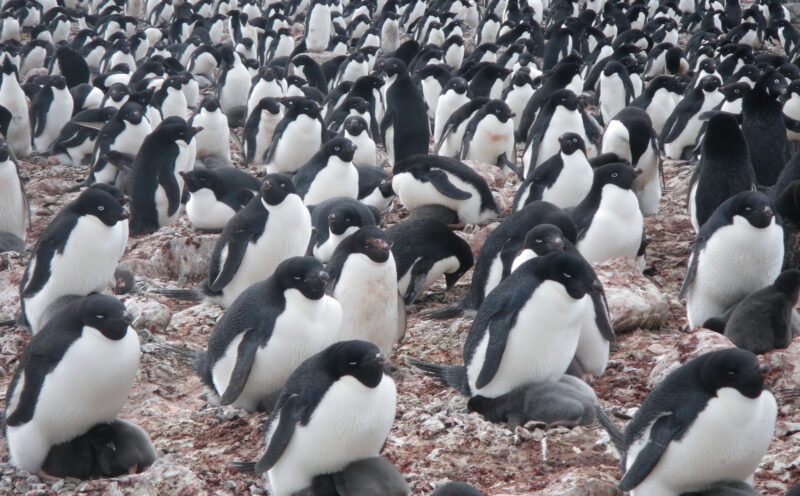
The color of penguin poo: Satellites reveal the chilling truth of global warming’s impact on an iconic polar species
Scientists study poop patterns of Adélie penguin colonies across all of Antarctica over a 30-year span using Landsat satellite images, a first for capturing food-web and population trends at continental and decadal scales relative to climate change
-
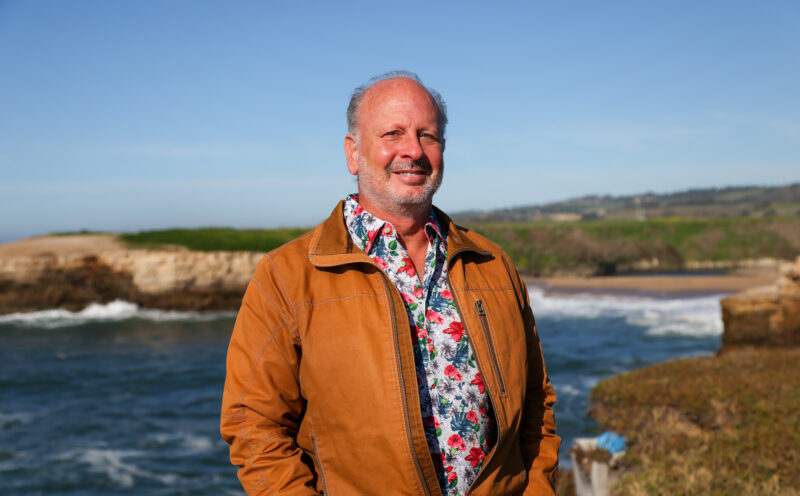
Mike Beck appointed to California Ocean Science Trust’s board of trustees
State Secretary for Natural Resources named Beck and Cal Poly Humboldt’s Eric Riggs to serve on the unique science-policy bridging organization’s board, citing their distinguished leadership and deep expertise in coastal climate resilience and marine STEM education.
-
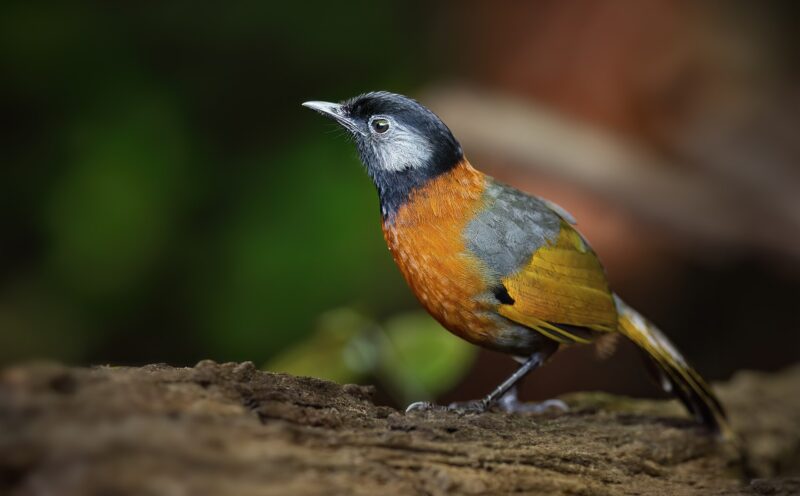
More colorful songbirds face higher extinction risk
The bird pet trade seems to account for some, but not all, of this connection
-
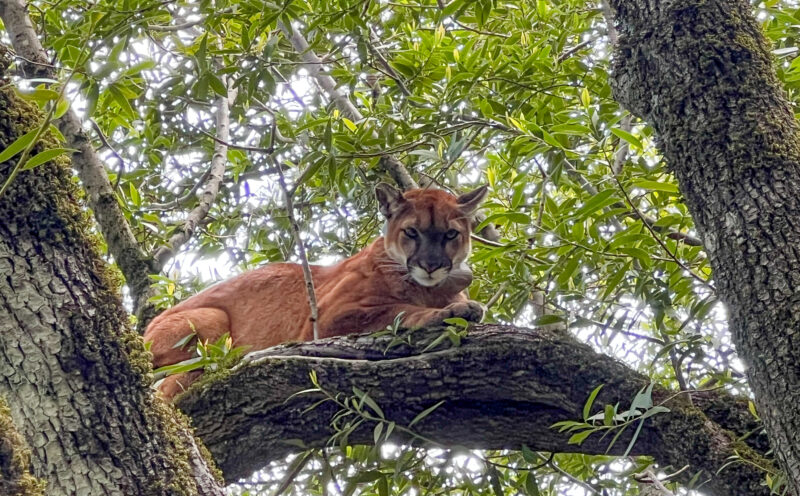
Coexisting with mountain lions
Research reveals how big cats and outdoor recreation can safely share spaces
-

Celebrating the Class of 2026
UC Santa Cruz is highlighting some of the amazing students in the Class of 2026. Video vignettes will be published throughout the week.
-
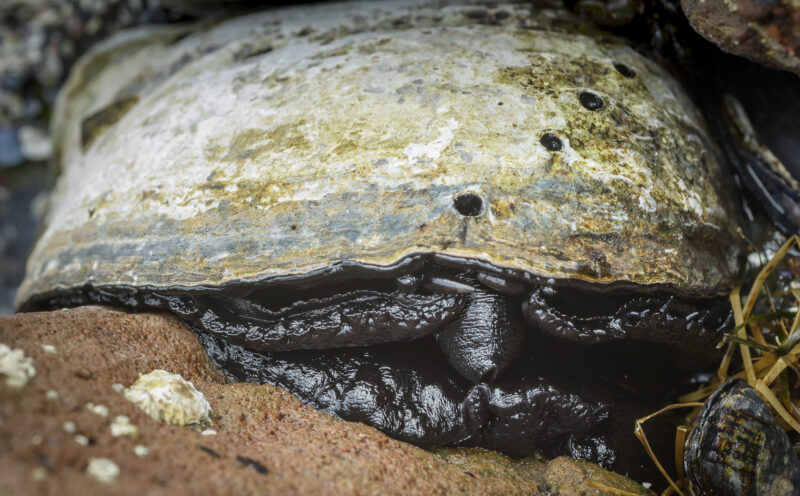
Ancient DNA offers hope for California’s critically endangered black abalone
UC Santa Cruz researchers have, for the first time, sequenced whole genomes from mollusk shells, unlocking 1,500 years of genetic history for a species on the brink
-

Hands-on experiences help students tell powerful climate-resilience stories
Internships at the Seymour Marine Discovery Center give students in-demand multimedia experience with video production and digital storytelling about how science can lead to meaningful solutions for coastal communities
-
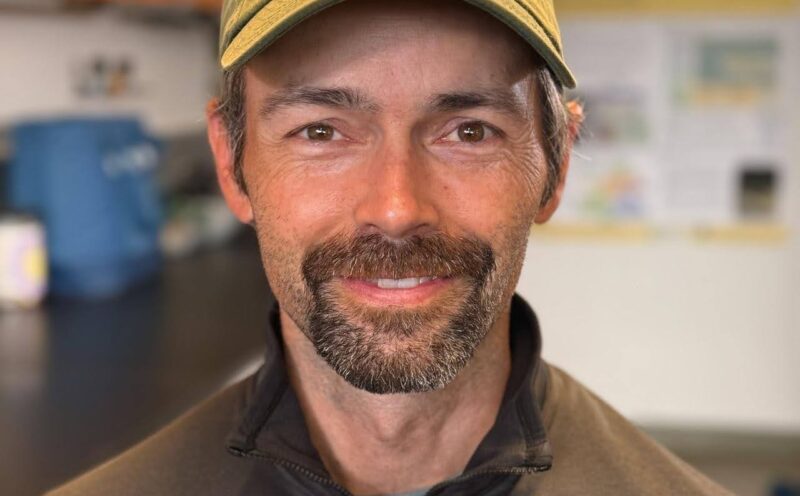
A 25-year commitment
UC Santa Cruz alumnus and Director of the Año Nuevo Reserve Patrick Robinson shares what philanthropy makes possible for the reserve and why he gives.
-
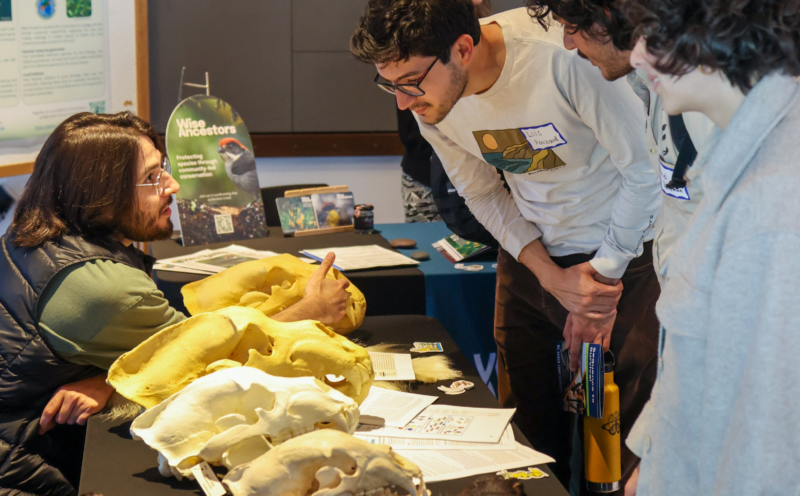
Extinction is not inevitable: Genomics symposium explores using DNA to save life on Earth
Conservation genomics is a bold new tool for protecting life on earth, but it will take all of us to slow the extinction crisis.
-
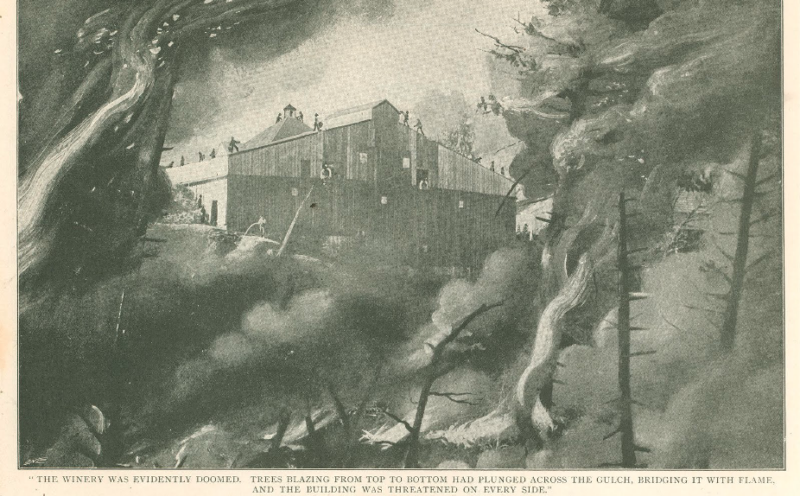
Story maps show massive fires like CZU are not a new phenomenon for Santa Cruz
An anthropology project traces the history of land use and fire in the county, revealing lessons for future management and mitigation
-

New method to raise investment funds for projects that restore coastal wetlands for climate adaptation
Center for Coastal Climate Resilience partners with The Nature Conservancy and others on a first-of-its-kind tool to drive private and public investment in adaptation built by nature
-
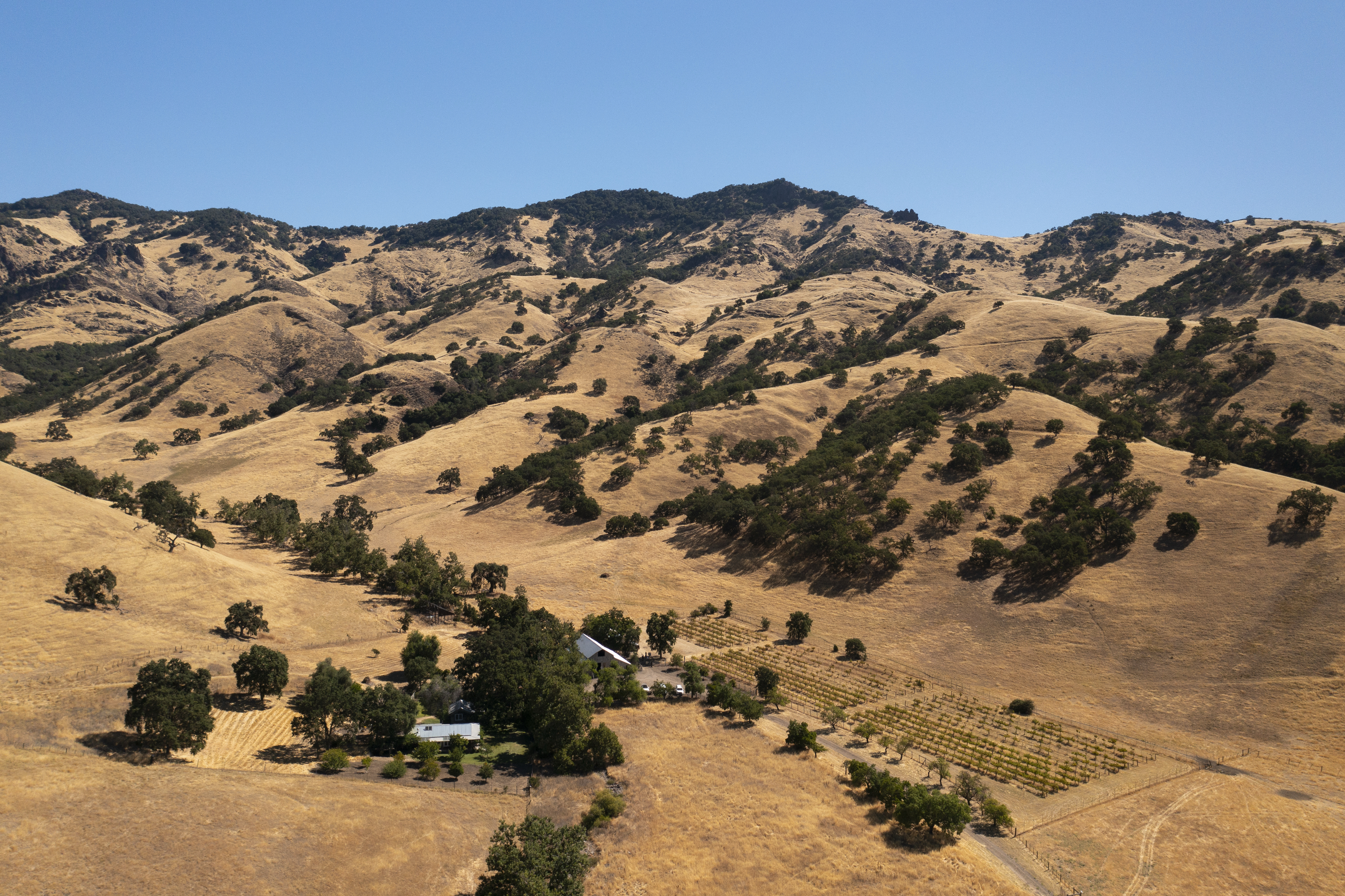
Threat of California’s native tree loss is greater than current estimates
New study finds that many of the state’s valuable and most recognizable trees could decline sooner than expected because current risk calculations don’t incorporate climate change